



The Ancient Grain Getting a Modern Makeover
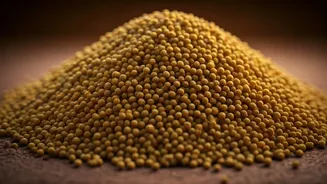
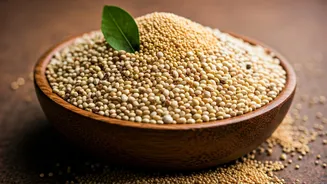
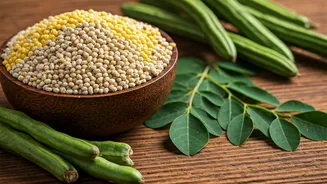
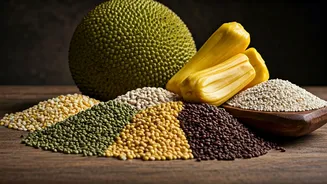
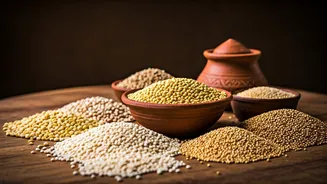
At the heart of this trend is ragi, also known as finger millet. If you didn't grow up in a South Asian household, you might not be familiar with it, but this humble grain is a nutritional titan. For centuries, it’s been a staple across India and Africa,
lauded for being incredibly rich in calcium, iron, and fiber. Traditionally, ragi has been used to make porridge (ragi malt), savory pancakes (dosa), and dense, unleavened flatbreads (roti). It has a distinctively earthy, somewhat malty flavor and a deep, reddish-brown color that gives baked goods a unique, rustic hue. While it’s always been valued for its health benefits, its dense texture and strong flavor profile often kept it in the realm of traditional, functional foods rather than indulgent treats.
Enter the Mainstream Health Darling: Almond Flour
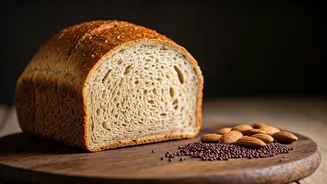
On the other side of the equation is almond flour, the reigning champion of the modern American health-food scene. Popularized by paleo, keto, and gluten-free diets, finely ground almonds became the go-to alternative for anyone looking to cut carbs or avoid wheat. Unlike ragi, almond flour’s reputation is built on creating light, moist, and tender baked goods. Its high fat content provides richness and a delicate, nutty flavor that works beautifully in everything from macarons to muffins. It solved the problem of dry, crumbly gluten-free baking, making it a beloved staple in pantries across the country. Almond flour represents a distinctly Western, wellness-focused approach to baking—one that prioritizes low-carb and grain-free attributes.
A Perfect Pairing of Old and New
The magic happens when these two flours are combined. On their own, each has its limitations for the modern baker. Ragi can be too dense and heavy for delicate cakes or cookies, while almond flour can be expensive and lacks the complex carbohydrates and minerals of a whole grain. Together, however, they create a perfect synergy. The almond flour lightens the ragi, adding moisture, fat, and a tender crumb that prevents the final product from becoming overly dense. It softens ragi’s earthy flavor with its own subtle nuttiness. In return, ragi gives the blend a robust nutritional profile, a beautiful color, and a complex, satisfying flavor that almond flour alone can’t achieve. This blend creates baked goods that are miraculously both indulgent and genuinely nutritious—the holy grail for today's health-conscious consumer.
More Than a Recipe, It's a Cultural Moment
This trend is more than just a clever baking hack; it's a snapshot of modern Desi-American identity. For many, it represents a delicious reconciliation of heritage and home. Second- and third-generation South Asians are increasingly looking to reconnect with the foods of their ancestors, but on their own terms. They aren't just replicating their grandmother’s recipes; they are innovating, blending traditional ingredients like ragi with contemporary wellness staples like almond flour. It’s a way to honor nostalgia while embracing a globalized, health-aware lifestyle. Baking a batch of ragi-almond brownies is a culinary expression of a dual identity—proudly rooted in South Asian heritage while confidently navigating the landscape of modern American food culture. These aren't your mother's ragi rotis; they are something entirely new, yet deeply familiar.