








The New Space Economy
When you think of a career in space, you probably picture an astronaut in a bulky suit or an engineer surrounded by blueprints at NASA. For decades, that wasn't far from the truth. The space industry was the exclusive domain of government agencies with
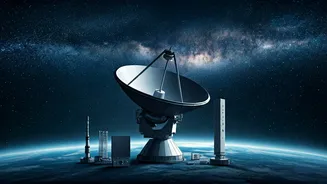
sky-high budgets and national security mandates. But that's changing, and fast. We're now in the era of the 'New Space' economy—a rapidly growing global market driven by private companies, not just governments. This sector is no longer just about exploration for its own sake. It’s about building tangible, profitable businesses in orbit and beyond. This includes everything from launching commercial satellites that power your GPS and stream your favorite shows, to developing space tourism, to planning for asteroid mining and in-space manufacturing. The Space Foundation estimates the global space economy is already worth over half a trillion dollars, with projections showing it could rocket past $1 trillion in the coming decade. This explosive growth isn't just happening in a vacuum; it's creating a gravitational pull for talent across the entire country.
The Billion-Dollar Catalyst
What flipped the switch? A big part of the story is the 'billionaire effect.' Visionaries with deep pockets, like Elon Musk (SpaceX), Jeff Bezos (Blue Origin), and Richard Branson (Virgin Galactic), have poured immense personal fortunes into their spacefaring ambitions. They successfully challenged the old model where companies like Boeing and Lockheed Martin acted primarily as government contractors. By pioneering reusable rocket technology, SpaceX dramatically lowered the cost of getting to orbit, effectively opening the floodgates for commercial activity. This disruption didn't just create competition; it created an ecosystem. Venture capital has followed, pouring billions into a new generation of startups aiming to build the infrastructure of the space economy. This includes companies building smaller satellites, developing software to analyze space-based data, or designing the habitats and life-support systems of the future. This private-sector-led charge has injected an unprecedented level of urgency, innovation, and, most importantly, jobs into the industry.
The Jobs You Haven't Thought Of
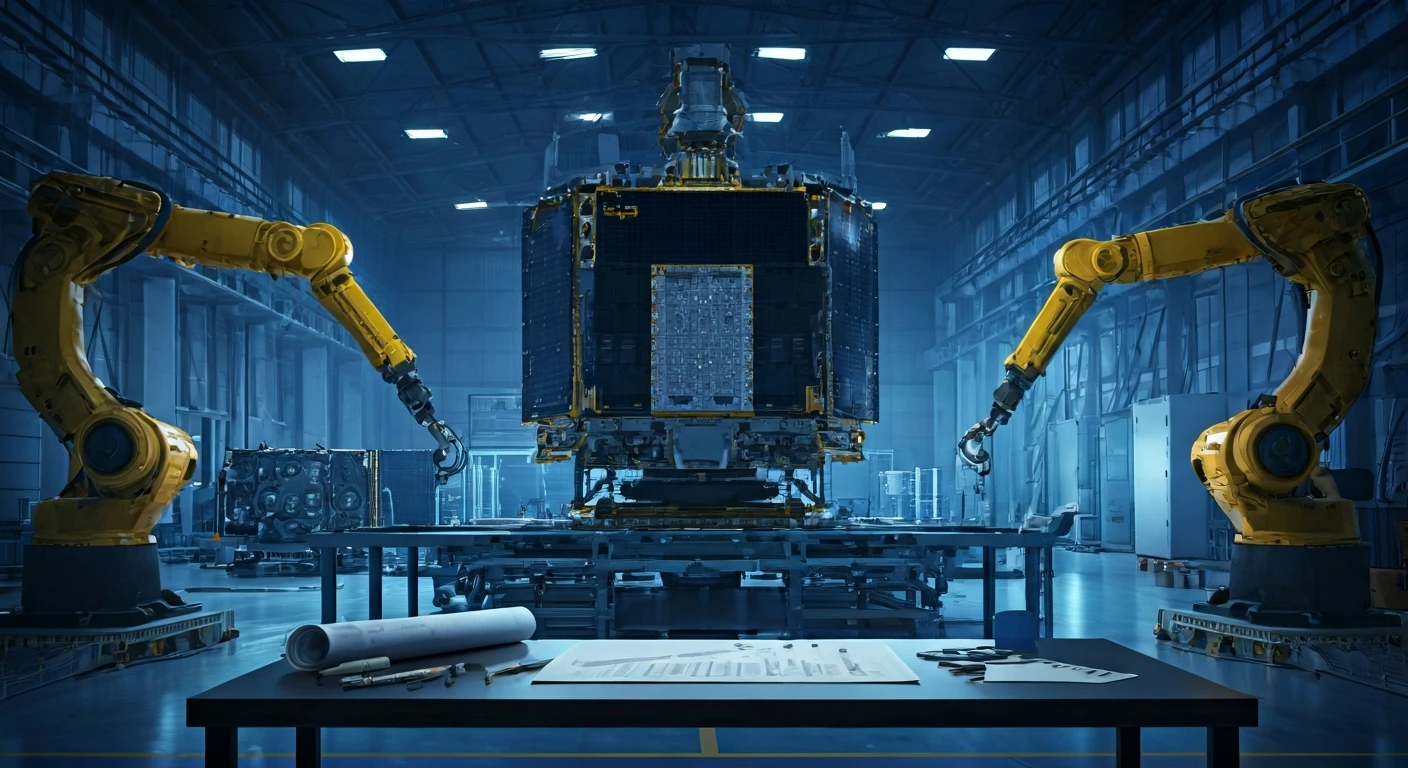
Here's the most important part of the trend: the range of jobs being created is far broader than you think. While demand for aerospace engineers, astrophysicists, and software developers remains white-hot, the ecosystem around them is expanding even faster. These companies need the same roles any fast-growing tech firm does. They need marketing managers to build their brand, sales teams to sell satellite capacity, and HR professionals to recruit top talent in a competitive market. They need accountants, supply chain experts, and project managers to keep missions on budget and on schedule. The industry is also creating entirely new specializations. 'Space lawyers' are needed to navigate the complex treaties and regulatory frameworks governing orbit. Technicians with skills in welding, electronics, and composites are in high demand to build and maintain the actual hardware. Even doctors are getting involved, specializing in the unique health challenges of spaceflight. The message is clear: if you have a skill, there's an increasing chance you can apply it to the space industry.
America's New Space Hubs
This career boom isn't confined to traditional launch sites like Florida's Space Coast or the mission control rooms in Houston. New space hubs are emerging all across the United States. Southern California remains a powerhouse, home to SpaceX, Rocket Lab, and a dense network of suppliers. But other regions are closing in. Texas is a major player, with SpaceX's Starbase and Blue Origin's launch facilities. The Seattle area, anchored by Blue Origin's headquarters and Amazon's Project Kuiper satellite division, is a hotbed for software and engineering talent. Colorado has quietly become a leader in military and satellite operations, boasting a massive aerospace employment base. And the Washington, D.C., area is a center for the policy, legal, and government-relations side of the industry. This geographic diversification means the economic benefits and career opportunities of the space boom are being felt in communities nationwide.