


Why Heavy Foods Weigh You Down
That post-meal lethargy you feel on a sweltering July afternoon isn't just in your head. It’s a biological reality. Your body uses a significant amount of energy to digest food, a process that generates internal heat. This is known as the thermic effect
of food (TEF). When you eat a heavy, high-fat, or protein-dense meal—like a cheeseburger and fries or a creamy pasta dish—your digestive system has to work overtime. On a cold winter's day, that extra internal heat can feel cozy. But when it's already 90 degrees outside, your body is struggling to stay cool, and adding more internal heat from digestion is like throwing a log on an already roaring fire. The result is that familiar, draining feeling of sluggishness. Your body diverts blood flow to your digestive tract and away from your extremities, making you feel sleepy and slow when you’d rather be enjoying the long daylight hours.
The Smart Switch to 'Light'
Framing summer eating as “light” isn't about deprivation or dieting; it’s about being strategic. It’s a conscious choice to work *with* your body and the season, not against them. Light foods are typically easier to digest, requiring less energy and generating less internal heat. Many are also naturally high in water content, which helps you stay hydrated—a critical factor in maintaining energy levels and staving off heat-related fatigue. By opting for foods that are crisp, cool, and fresh, you’re not just avoiding the midday slump. You’re fueling your body with the vitamins, minerals, and antioxidants it needs to thrive. This approach allows you to feel satisfied and energized, ready to take on a hike, a swim, or just a relaxing evening on the porch without feeling weighed down.
1. Embrace Hydrating Fruits and Vegetables
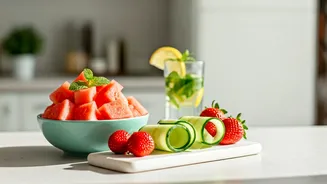
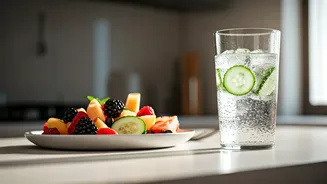
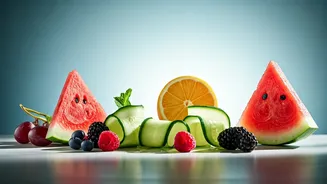
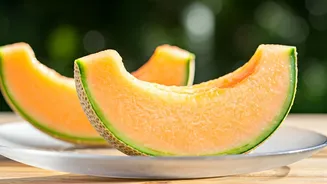
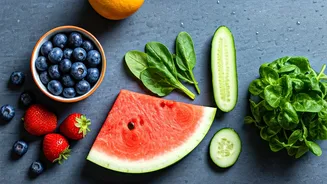
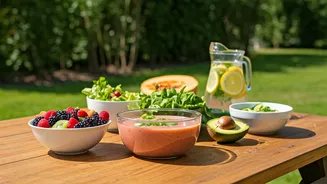
Summer produce is nature’s gift to hot-weather survival. Watermelon, cucumber, celery, and strawberries are all more than 90% water, making them a delicious way to supplement your hydration. A bowl of chilled cucumber soup (gazpacho’s cooler cousin) or a simple platter of sliced melon and prosciutto does more than just taste good; it actively helps replenish fluids lost through sweat. Keep a bowl of washed berries in the fridge for easy snacking, toss cherry tomatoes into everything, and blend frozen bananas or peaches into a simple, creamy “nice cream” for a dessert that cools you from the inside out.
2. Build a Better, Bolder Salad
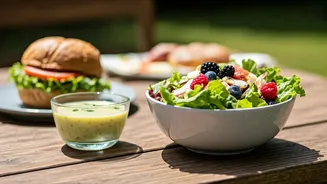
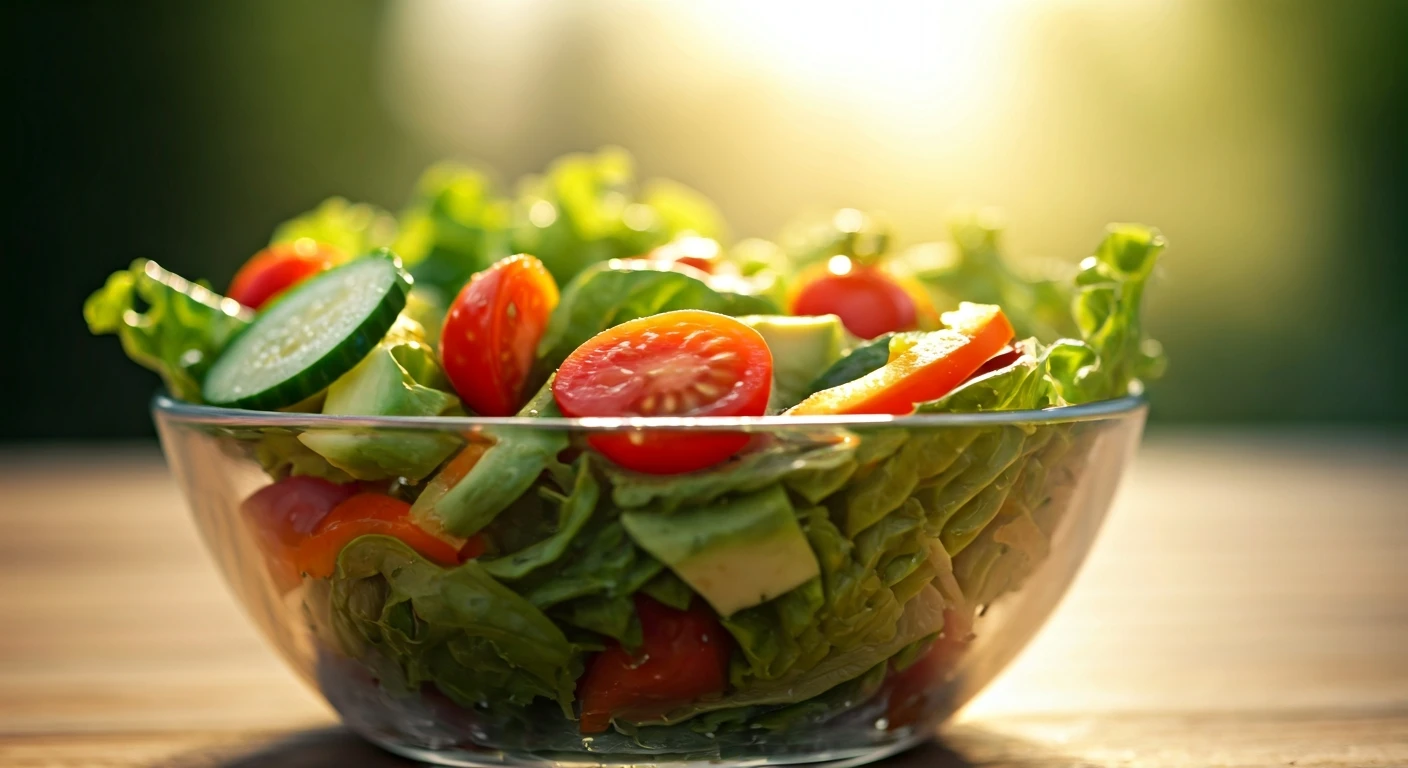
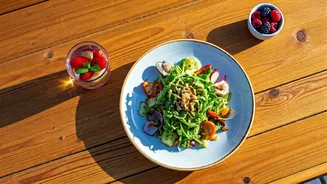
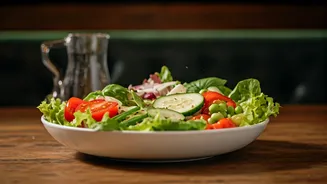
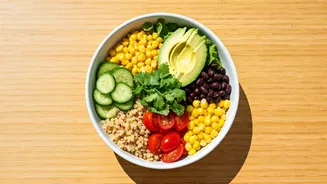
Forget the sad desk salad of wilted iceberg and a few lonely croutons. A well-constructed summer salad can be one of the most satisfying meals imaginable. The key is variety and balance. Start with a bed of interesting greens like arugula or spinach. Add a lean protein to make it a meal—grilled chicken or shrimp, a can of chickpeas, or crumbled feta are excellent choices. Then, go wild with summer produce: grilled corn, sliced peaches, fresh bell peppers, or shaved zucchini. Finally, add a source of healthy fat and texture, like avocado, toasted sunflower seeds, or almonds. A light vinaigrette made with lemon juice and olive oil is all you need to tie it together into a powerhouse meal that won't leave you needing a nap.
3. Fire Up the Grill (Wisely)
Grilling is the quintessential summer cooking method, and for good reason. It keeps the heat out of your kitchen and imparts incredible flavor without the need for heavy, greasy frying. Focus on lean proteins that cook quickly, like fish fillets, shrimp skewers, or thin-cut chicken breasts. Vegetable kebabs are another fantastic option—chunks of zucchini, bell pepper, onion, and cherry tomatoes get beautifully charred and tender in minutes. Marinating your proteins and vegetables in citrus juices, herbs, and a little olive oil before grilling adds a layer of bright flavor without adding weight. Serve your grilled masterpiece alongside a simple green salad or a scoop of quinoa for a perfectly balanced, effortlessly light summer dinner.