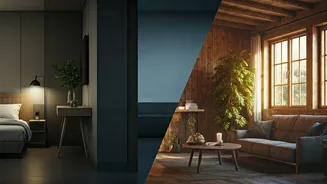




Beyond the Hotel, Beyond the Airbnb
First, let’s get clear on what we mean by “homestay.” The term can feel vague, but at its core, it’s a return to the original promise of peer-to-peer travel: staying in someone’s actual home, often with them present. This isn't the sterile, professionally
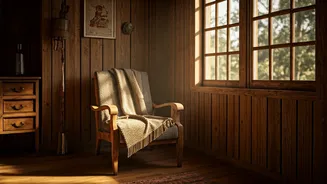
managed Airbnb with a key-code entry and a generic set of IKEA furniture you’ve seen in three different cities. A true homestay is a lived-in space. It has personality, quirks, and most importantly, a host who is more than just a property manager.Think less of a transaction and more of an invitation. You might be renting a spare room in a charming brownstone, a garden cottage behind a family’s main house, or a separate floor in a rural farmhouse. The key differentiator is the human element—the feeling that you are a guest in a home, not a customer in a temporary lodging unit. This subtle shift is at the heart of its appeal for those burned out on the polished anonymity of modern travel.
The Search for Low-Pressure Authenticity
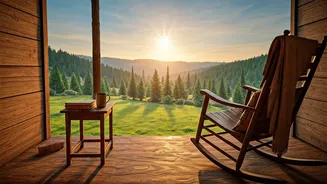
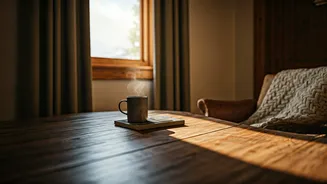
The travel industry spent a decade optimizing for “authenticity,” but often delivered a packaged, commercialized version of it. We got a checklist of “local” experiences to consume: the artisanal coffee shop, the hidden speakeasy, the curated street art tour. While fun, this can create its own kind of performance anxiety, turning a trip into a scavenger hunt for Instagrammable moments.Homestays offer a quieter, more genuine form of authenticity. The experience isn’t about what you do, but how you feel. It’s the simple, un-photographed pleasure of having morning coffee on a porch that a family has used for generations, or getting a dinner recommendation for a place that isn't on any 'Top 10' list because your host and their neighbors are the only ones who go there. It removes the pressure to “do” the vacation correctly and instead creates space to simply “be” in a place. This isn’t about rejecting exploration; it's about finding it in a more organic, less frantic way.
Why 'Calm' Is the New Luxury
In a world of constant notifications, relentless productivity culture, and decision fatigue, the ultimate luxury isn't a gold-plated faucet or a five-star rating. It’s quiet. It’s peace. It’s mental space. The “real calm” that homestays provide isn’t just about the absence of noise; it's about the absence of demands on your attention.A hotel is designed to sell you things: room service, spa treatments, overpriced mini-bar snacks. A standard vacation rental requires you to manage everything yourself, from figuring out the quirky thermostat to finding a grocery store. A homestay, by contrast, is often built on a foundation of simple comfort. There’s no up-sell and no hidden labor. The environment is inherently less commercial and more nurturing. This allows for a deeper kind of relaxation, where the nervous system can finally switch out of its default high-alert mode.
The Host as Gentle Guide
The secret ingredient that makes a homestay work is the host. A good homestay host masters the delicate balance of being present but not intrusive. They are not a concierge, paid to anticipate your every need, nor are they an invisible landlord. They are, quite simply, a human connection to the place you’re visiting.This relationship provides a unique sense of security and belonging. Lost your way? You can send a text to a person, not a support bot. Curious about the best time to visit a local park to avoid crowds? You get insider knowledge that no travel blog can provide. This gentle guidance fosters a feeling of being cared for, stripping away the anxiety that often accompanies navigating a new environment. In a world that feels increasingly isolated and transactional, this simple, low-stakes human connection is proving to be what many travelers were looking for all along.