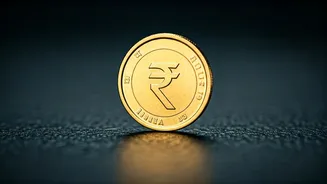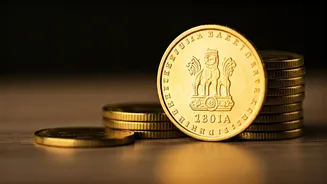







So, What Is 'Digital Gold'?
At its core, 'digital gold' is a simple but brilliant concept. Instead of buying a physical coin or bar, which can cost hundreds or thousands of dollars, consumers use mobile payment apps to purchase a fractional amount of the precious metal. We’re not
talking about a gold-backed cryptocurrency or a complex financial derivative. When you spend one rupee (about 1.2 U.S. cents) on an app like Paytm or PhonePe, you are purchasing a tiny, corresponding weight of actual, 24-karat physical gold. That gold is then stored securely on your behalf in an insured, third-party vault, typically managed by a government-backed entity like MMTC-PAMP (a joint venture between a state-run trading company and a Swiss bullion brand). You own it, you just don’t have to hold it. You can track its value in real-time on your phone, just like you would a stock.
How It Actually Works
The process is designed to be frictionless, removing all the traditional barriers associated with buying gold. A user logs into their everyday payment app—the same one they use to pay for groceries or a rickshaw ride—and navigates to the 'Gold' section. They can choose to buy by value (e.g., ₹100) or by weight (e.g., 0.01 grams). The transaction is instant. The app shows them their accumulated holdings in grams, updated with every purchase. They can sell their digital gold back at any time at the current market rate, with the cash deposited directly into their linked bank account. For many, this is the primary use case: a liquid, digital savings account that is shielded from the volatility of the local currency. But if a user accumulates enough—typically one gram or more—they can choose to have it physically delivered to their doorstep in the form of a certified coin or bar, bridging the gap between the digital and the tangible.
Why This Took Off in India
This innovation couldn't have happened just anywhere. India has a unique, centuries-old cultural obsession with gold. It's the world's second-largest consumer of the metal, where it serves as a primary store of wealth, a hedge against inflation, a status symbol, and an essential component of weddings, festivals, and religious ceremonies. For generations, however, high prices have locked out hundreds of millions of lower and middle-income citizens from participating. A ten-gram gold coin, a common investment size, can cost more than a month's salary for many. The traditional way of saving up to buy gold was slow and inefficient. Digital gold platforms shattered this paradigm by applying a classic Indian retail strategy known as 'sachetization'—selling products in tiny, affordable packets. Just as companies sold single-use shampoo packets for a couple of rupees, fintech firms began offering gold in bite-sized, digital sachets.
The Real 'Democratization' Effect
The word 'democratic' here isn't about politics; it’s about access. For the first time, a street vendor, a student, or a gig worker can convert their spare change into a timeless asset with a few taps on a smartphone. It transforms gold from an elite, exclusive commodity into an accessible savings tool for the masses. This shift is profound. It allows people with fluctuating incomes to save small, irregular amounts in a stable asset, protecting their earnings from erosion. The psychological impact is just as important. It gives millions a tangible stake in a formal financial asset, fostering a culture of saving and investing that was previously out of reach. While critics point to the lack of a dedicated regulatory framework and the small fees involved in buying and selling, the overwhelming narrative is one of empowerment.
A Glimpse of a Global Future?
While the ₹1 transaction is an Indian phenomenon, the underlying principle is global. Here in the U.S., we’ve seen a similar trend with fractional shares. Apps like Robinhood, Public, and Cash App let investors buy a small slice of a high-priced stock like Amazon or Tesla for as little as $1. This has opened up the stock market to a new generation of investors who couldn't afford a full share. The Indian digital gold model is simply applying that same logic of fractional ownership to a different asset class—hard commodities. It's a powerful reminder that technology's greatest promise is often not the invention of something entirely new, but the radical re-engineering of access to something old and valuable. It’s a blueprint for how fintech can break down barriers not just for stocks, but potentially for art, real estate, and other assets once reserved for the wealthy.