



The ‘Sneaky’ Nutrient Boost
The foundational principle of the Gen Z comfort food upgrade isn’t deprivation; it’s fortification. It’s less about what to remove and more about what to add. This generation, fluent in the language of macronutrients and vitamins from a young age, sees
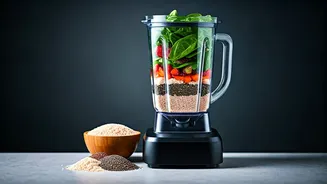
every meal as an opportunity to optimize. The most viral example is the cottage cheese phenomenon. Once a sad diet plate staple, it’s now the star ingredient in everything from high-protein ice cream and creamy pasta sauces to edible cookie dough and fluffy pancake batter. By blending it, the texture vanishes, but the protein punch remains. The same logic applies to baking, where puréed black beans or avocado can replace oil in brownies, adding fiber and healthy fats, or where shredded zucchini is folded into chocolate bread for a dose of vegetables. It’s not about tricking yourself into eating healthy; it’s about making the food you already love work harder for you.
Gut Health is the New Comfort
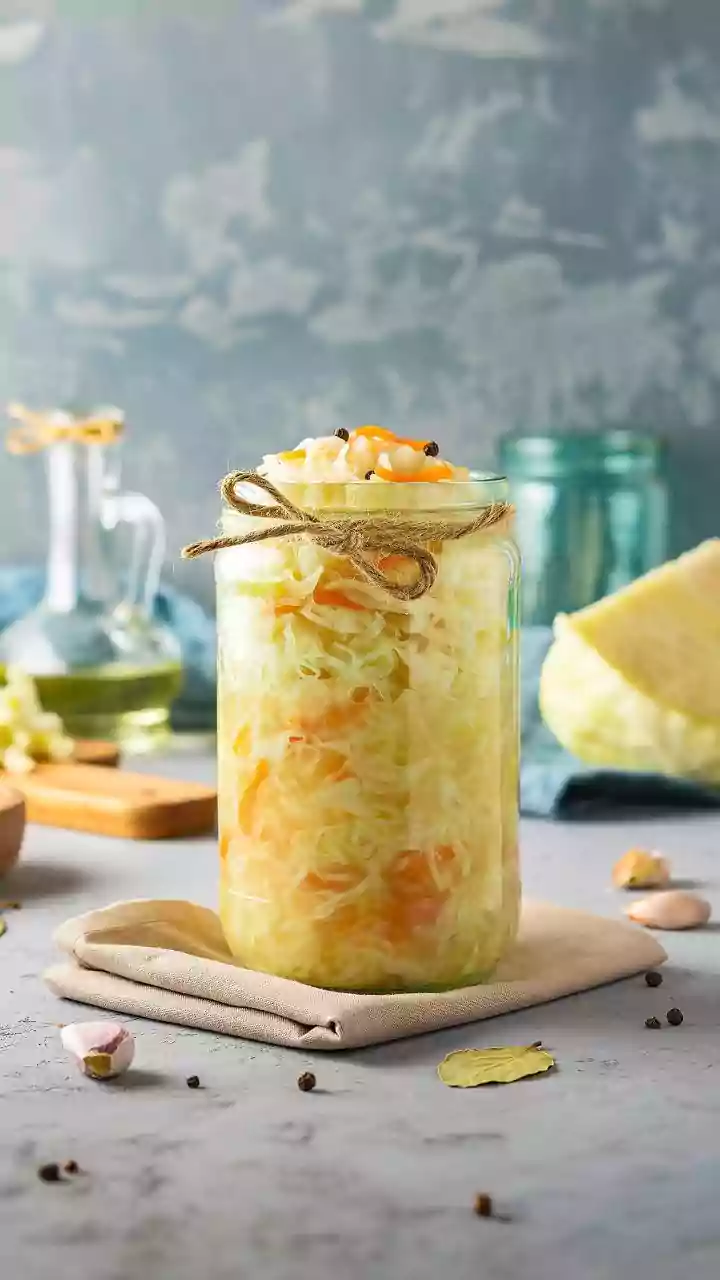
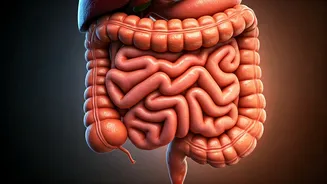
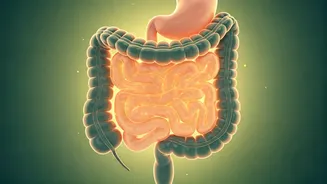
If previous generations sought comfort in calories and carbs, Gen Z seeks it in a happy microbiome. The concept of “gut health” has become a central pillar of their wellness philosophy, directly linking digestive well-being to mental clarity, better skin, and overall vitality. This manifests in the kitchen in fascinating ways. Instead of sugary sodas, you see the rise of the “healthy Coke”—a viral TikTok concoction of balsamic vinegar and sparkling water that mimics the flavor profile while offering a probiotic-adjacent experience. Kombucha and kefir are not niche health store items but pantry staples. Fermented foods are celebrated, with sourdough bread (and the starters needed to make it) enjoying a massive resurgence. The new comfort isn't just a feeling of fullness, but the reassuring knowledge that you’re feeding the beneficial bacteria that keep your body’s systems running smoothly. It’s a shift from short-term satisfaction to long-term systemic wellness.
Deconstruction and Plant-Forward Swaps
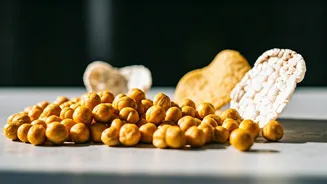
This isn't your mother’s “light” cooking, which often relied on processed, low-fat substitutes. Gen Z’s approach is about breaking a dish down to its essential cravings and rebuilding it with whole, often plant-based, ingredients. Take the viral “date bark” trend. Instead of a processed candy bar, you get the same satisfaction—sweet, crunchy, chocolatey—from medjool dates flattened and topped with melted dark chocolate, nut butter, and sea salt. It satisfies the craving with fiber, minerals, and healthy fats. This ethos extends to savory classics, too. Bolognese sauce is reimagined with a base of finely chopped mushrooms and walnuts that, when browned and seasoned, deliver the same savory, umami-rich depth and texture as ground meat. “Chicken” salad is made from smashed chickpeas, and creamy soups get their texture from blended cashews instead of heavy cream. It’s a creative, less dogmatic approach to plant-based eating that prioritizes flavor and texture parity.
Why It's More Than Just a Recipe
These culinary shifts aren’t happening in a vacuum. They are a direct reflection of Gen Z's digital-native culture and core values. TikTok is the movement’s test kitchen and distribution platform, where a 30-second video can turn a simple recipe into a global phenomenon overnight. For a trend to take off, it must be visually appealing, easy to replicate, and conceptually simple. Furthermore, this generation values transparency and authenticity. They want to know what’s in their food, and making it themselves provides ultimate control. This DIY-health ethos is a quiet rejection of the opaque, highly processed food industry that dominated previous decades. It’s about creating food that not only tastes good and feels good in the body, but also aligns with broader values like sustainability (more plants, less meat) and mindful consumption.