




The Comeback Kid of Grains
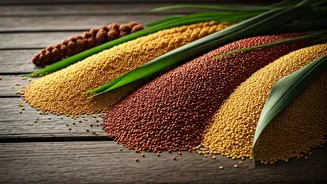
If the world of grains were a high school movie, quinoa would be the popular kid who studied abroad, and farro would be the artsy European exchange student. Millet? It’s the quiet, talented character who’s been there all along, suddenly revealing a hidden
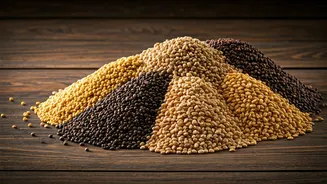
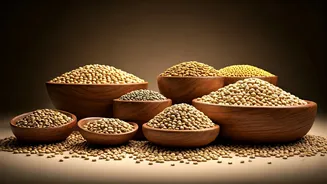
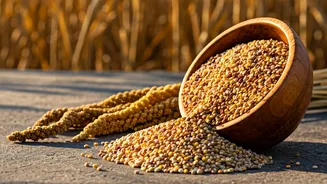
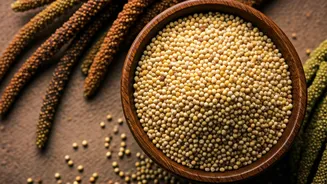
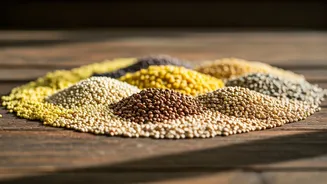
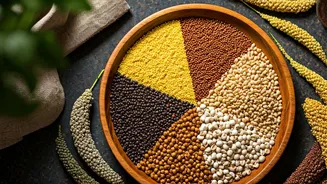
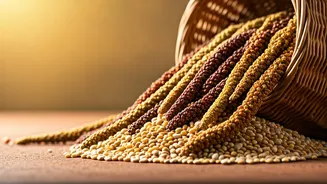
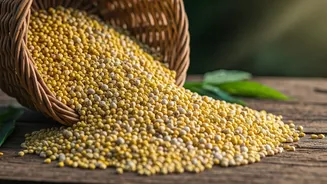
depth that makes everyone wonder why they never noticed it before. For thousands of years, millets—a diverse group of small-seeded grasses, not a single grain—were a foundational food source across Africa and Asia. They were staples long before rice and wheat dominated global agriculture. But in the U.S., millet’s reputation has been unfairly tied to birdseed, a perception that’s finally shattering as chefs and home cooks rediscover its potential. This isn't just about finding another gluten-free alternative; it's about embracing a food with a rich history and a surprisingly relevant future.
The 'Climate-Smart' Superpower
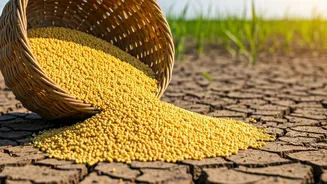
The term 'climate-smart' gets thrown around a lot, but for millets, it’s not just marketing hype. This is the core of their main character energy. As climate change brings more unpredictable weather, including prolonged droughts and extreme heat, our dominant crops like corn, wheat, and rice are facing serious challenges. They are thirsty crops that require stable conditions and significant resources. Millets, on the other hand, are agricultural superheroes. Many varieties are naturally drought-tolerant, requiring significantly less water to grow. They can thrive in poor, infertile soil where other cereals would fail, reducing the need for chemical fertilizers. Their short growing season allows farmers in some regions to fit them into crop rotations, improving soil health and biodiversity. In an era where water scarcity and soil degradation are critical global issues, a grain that asks for so little and gives back so much is a powerful tool for building a more resilient food system. This isn't a hypothetical benefit; it’s a practical solution sitting right in our pantries.
Beyond Birdseed: Nutrition and Flavor
So, it’s good for the planet. But is it good for you? Absolutely. Millets are a nutritional powerhouse. They are naturally gluten-free, making them an excellent choice for those with celiac disease or gluten sensitivity. They’re also packed with fiber, protein, and essential micronutrients like magnesium, iron, and phosphorus. Their low glycemic index means they provide sustained energy without the spike-and-crash associated with more refined carbohydrates.
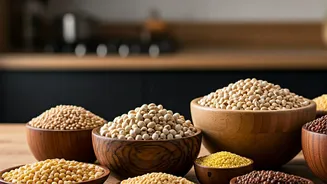
But let’s talk flavor and texture, because no one eats a grain just for its mineral content. Millets are wonderfully versatile. When cooked, they can be fluffy and light like couscous, or creamy and rich like polenta, depending on the variety and preparation. They have a mild, slightly nutty and sweet flavor that makes them a perfect canvas for other ingredients. They absorb sauces and spices beautifully, making them ideal for pilafs, grain bowls, and hearty salads. Puffed millet adds a delightful crunch to granola or yogurt, while millet flour can be used in everything from flatbreads to pancakes, lending a tender, delicate crumb.
Finding its Place on the Menu
The proof of millet’s rising star power is on the plate. Innovative chefs across the country are moving it from a side dish to the center of the action. You might find it in a creamy millet risotto, as the base for a savory grain porridge topped with roasted vegetables, or toasted and scattered over a salad for texture. In San Francisco, you might see a millet and lentil 'dosa,' while a New York restaurant might serve a crispy-skinned fish over a bed of herbed millet. This culinary embrace is crucial. It’s teaching American diners to see millet not as a health-food chore or an agricultural curiosity, but as a delicious, satisfying, and sophisticated ingredient. As more people experience millet in a restaurant setting, they become more confident in bringing it into their own kitchens. With the United Nations designating 2023 as the 'International Year of Millets,' global awareness is at an all-time high, helping fuel its journey from the bulk bin to the bistro menu.