



The Pavlovian Jingle
For generations of Americans, the first sign of summer’s sweet relief wasn’t a weather forecast but a sound. It was the tinny, slightly off-key music box melody of the ice cream truck, a sound that could cut through the drone of cicadas and send kids
scrambling for spare change. That jingle promised more than just a Choco Taco or a character pop with gumball eyes; it promised a moment of pure, unadulterated choice. Would it be the red, white, and blue Firecracker? A classic vanilla sandwich, its soft chocolate wafers inevitably sticking to your fingers? Or the ambitious Screwball with its frozen cherry at the bottom? The ice cream truck represents a unique slice of Americana—a mobile oasis of joy that brought the soda fountain directly to your curb. It was a transaction of profound childhood importance, conducted with crumpled dollar bills passed up to a smiling stranger. The treat itself was secondary to the ritual: the frantic chase, the agonizing decision, and the victorious, sticky-fingered walk back to the front stoop to devour the prize before it melted.
A Roadside Ritual
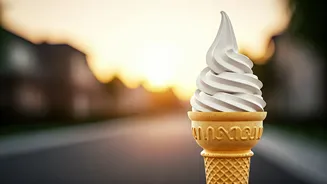
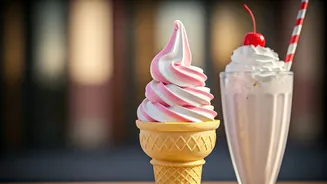
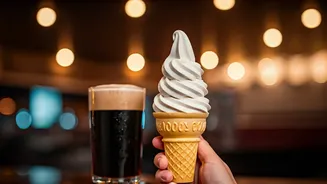
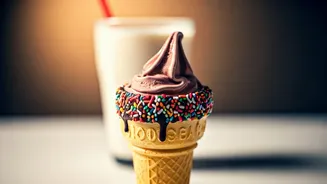
Long before ghost kitchens and delivery apps, there was the roadside soft-serve stand. Think of the iconic red script of Dairy Queen or the cheerful architecture of a local Carvel. These weren't just places to get food; they were destinations. Piling into the family station wagon for a post-dinner cone was a cherished ritual, a simple, affordable luxury that punctuated the long, lazy evenings of summer vacation. The magic of soft serve lies in its texture—an ethereal, impossibly smooth cloud of dairy that could only be produced by a special, hulking machine. The quintessential order was a cone with a perfect swirl, perhaps dipped in a chocolate shell that hardened on contact, creating a satisfying crack with the first bite. It was a shared experience, enjoyed in a parking lot filled with other families, the setting sun painting the sky as kids dripped chocolate and vanilla onto the asphalt. These stands became de facto community centers, places where Little League teams celebrated victories and teenagers went on awkward first dates.
The Diner-Counter Classic
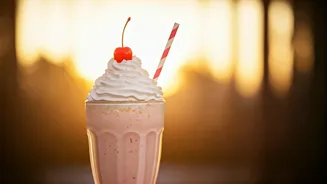
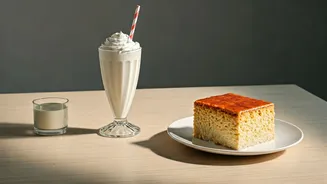
If the ice cream truck was for kids and the soft-serve stand was for families, the milkshake belongs to the timeless cool of the American diner. It’s a thicker, richer, and somehow more serious affair. Served in a tall, fluted glass with a long spoon and a wide-gauge straw, the perfect milkshake is a feat of engineering—thick enough to defy gravity but just fluid enough to be drinkable. The best milkshake experiences always came with a bonus: the frosty metal canister containing the leftovers, offering a second, secret serving. It felt like a generous secret between you and the person behind the counter. Whether it was a simple chocolate or vanilla shake at a chrome-and-vinyl lunch counter or a more elaborate malted at a local drive-in, the milkshake was a social lubricant. It was the centerpiece of a shared conversation, a treat to be lingered over, not scarfed down before it melted.
More Than Just Sugar
Why do these specific dairy sweets hold such a powerful grip on our collective psyche? The answer lies in a concept psychologists call “food nostalgia.” The combination of fat and sugar in ice cream is inherently pleasurable to the human brain, but the emotional resonance comes from context. Our most vivid memories are often formed during childhood and adolescence, when the world feels new and experiences are intense. These treats weren't just food; they were associated with freedom, family, and the peak of summer happiness. The taste of a creamsicle isn't just orange and vanilla; it's the taste of being 10 years old, with no homework and a long afternoon stretching out before you. The simple, uncomplicated nature of these desserts provides a stark contrast to the complexities of adult life. They are a direct, sensory link to a time when joy was as simple as hearing a song down the street or taking a drive with the windows down.