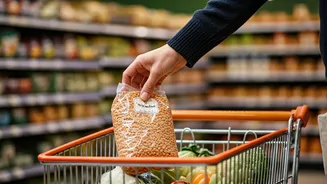









What Is an Affordable Food Challenge?
At its core, an affordable food challenge is a personal budgeting game, often shared publicly on social media. The rules vary, but the goal is always the same: to eat for a set period on an astonishingly small amount of money. The most common iteration
is the '$20 Grocery Challenge,' where a person attempts to buy all their food for an entire week with a single twenty-dollar bill. Other popular formats include the 'Pantry Challenge,' which involves creating meals using only what’s already on hand, or the '$5 Dinner' challenge, focused on feeding a family for less than the price of a latte. These aren't just abstract ideas; they are documented in painstaking detail. Creators on platforms like TikTok and YouTube film their shopping trips, showcasing the calculus of choosing lentils over chicken or pasta over pre-made sauce. They post 'what I eat in a day' videos, turning their meager hauls into surprisingly creative meals. It's part cooking show, part reality TV, and part financial ledger, all rolled into a 60-second video.
An Answer to Inflationary Times
This trend isn't happening in a vacuum. It’s a direct and very visible response to years of stubbornly high food prices. While overall inflation has cooled from its peak, grocery costs have remained elevated, fundamentally changing how millions of Americans shop. The days of casually filling a cart are gone for many, replaced by a more deliberate, and often stressful, process of weighing needs, wants, and costs. The challenges tap into this shared anxiety. When a creator shows how they stretched a few dollars into several days of meals, it resonates with viewers facing the same pressures. It provides a sense of agency and community in a situation that can feel overwhelming and isolating. Watching someone else successfully navigate a tight budget offers both practical tips—like the nutritional value of beans or the versatility of oats—and, perhaps more importantly, a feeling of 'we're all in this together.'
The Rise of the Frugal Influencer
The movement has given rise to a new kind of social media star: the frugal influencer. Unlike their counterparts who showcase luxury travel and designer hauls, these creators build an audience through radical transparency and practicality. Their currency is not aspiration, but relatability. They are often parents, students, or young professionals demystifying budgeting and proving that a fulfilling life isn't dependent on a high spend. Platforms like TikTok, with their short-form, slice-of-life video format, are the perfect ecosystem for this content to thrive. A grocery haul can be filmed and edited quickly, a cheap recipe can be demonstrated in under a minute, and the algorithm rewards content that is authentic and useful. These creators are building massive, engaged followings by providing a genuine service: helping people save money in a tangible way.
A Fine Line Between Sport and Survival
While these challenges are often framed as a fun, empowering game, it's crucial to recognize the reality underpinning them. For some participants, it is a voluntary exercise in minimalism or a way to build savings. But for a growing number of Americans, living on a razor-thin food budget is not a choice or a challenge; it's just called 'Thursday.' The trend highlights a wider conversation about food insecurity and the struggles of the working poor. The same tips and tricks that a lifestyle influencer shares for 'fun' are the daily survival tactics for millions. The popularity of these challenges acts as a cultural barometer, reflecting a society where basic affordability has become a primary concern. It’s a testament to human ingenuity and resilience, but it's also a quiet indictment of an economy where making it to the end of the week on a full stomach can feel like a victory worth broadcasting.