
Beyond the Buffet Table
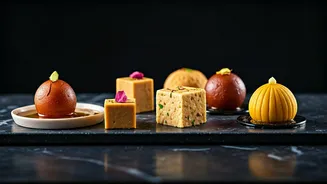
For years, the average American diner’s experience with Desi (South Asian) sweets was likely limited to the buffet line. There, you might find glistening, syrup-soaked gulab jamun or dense, milky barfi. While beloved classics, these versions often prioritized
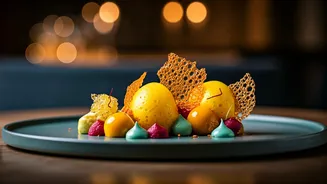
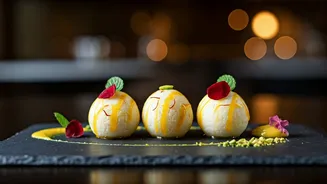
sweetness over nuance, becoming an afterthought to the main meal. But in the kitchens of the country's most ambitious restaurants, a new generation of pastry chefs is challenging that perception. They are mining the deep, complex, and incredibly diverse world of South Asian mithai (sweets) and reimagining them with fine-dining technique and artistry. This isn't about fusion for fusion's sake; it's a thoughtful exploration of heritage, flavor, and form.
The Second-Generation Effect
Much of this movement is being driven by second-generation South Asian American chefs. Armed with classical French pastry training but raised on the flavors of their parents' kitchens, they are uniquely positioned to bridge these two culinary worlds. They understand the precise architecture of a perfect macaron, but also the soulful comfort of a well-made kheer (rice pudding). For these chefs, reinventing Desi desserts is an act of cultural reclamation. It’s a way to honor their roots while pushing the boundaries of their craft, presenting the flavors they grew up with in a context that commands respect and attention. Chefs like Surbhi Sahni in New York City have been pioneers, proving that Indian desserts can be as elegant and complex as any European confection.
Reinventing the Classics
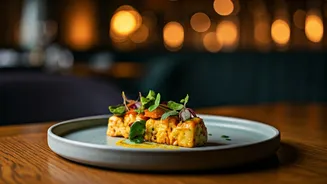
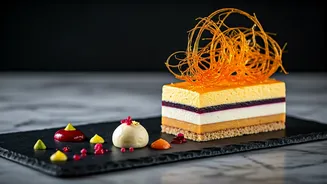
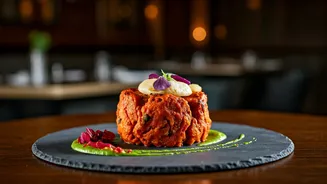
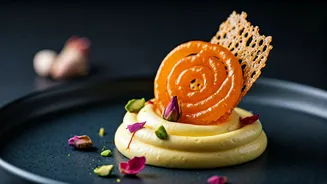
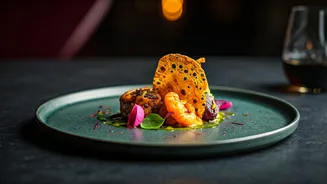
So, what does this look like on the plate? It’s about deconstruction and reinterpretation. Instead of a dense, syrupy ball, a gulab jamun might be transformed into a light, ethereal cake served with a saffron-infused yogurt and rosewater foam. The familiar flavors are all there, but the texture is refined, the sweetness balanced with acidity. Gajar ka halwa, a traditional carrot pudding, might become the rich, fragrant filling for a delicate tart shell, topped with pistachio crumble and candied ginger. At restaurants like New York's Semma and Dhamaka, dessert isn't an afterthought but a powerful final statement. You might find jalebi, the iconic spiral-shaped fried sweet, reimagined as delicate, crispy lattices served alongside Rabri, a thickened, sweetened cream, or a modern kulfi that plays with savory notes like black pepper or bay leaf.
An Education for the American Palate
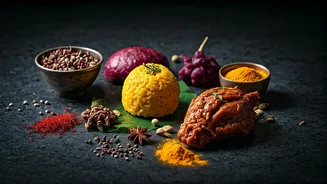
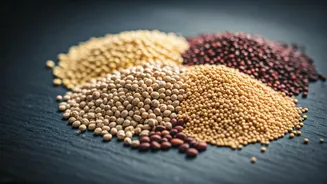
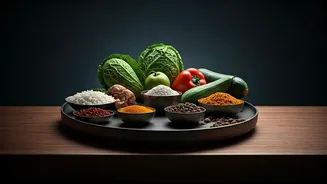
This trend does more than just offer a new dessert option; it actively expands the American palate. It introduces diners to foundational Desi flavors in a sophisticated setting. Cardamom, saffron, jaggery (unrefined cane sugar), rosewater, and chickpea flour (besan) are moving from niche ingredients to stars of the dessert course. By presenting these flavors with familiar techniques—a mousse, a crémeux, an ice cream—chefs make them approachable. A diner who might be hesitant to try a traditional mithai might eagerly order a “chai-spiced panna cotta.” This serves as a delicious gateway, slowly educating diners on the complexity and versatility of South Asian cuisine and proving that it offers far more than just curries. It’s a powerful dismantling of the culinary hierarchy that has long prized French pastry above all else.