


Beyond the Windowsill
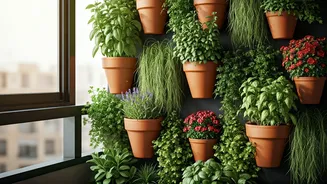
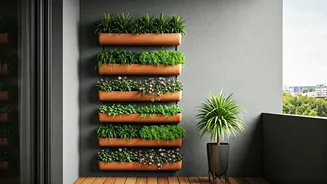
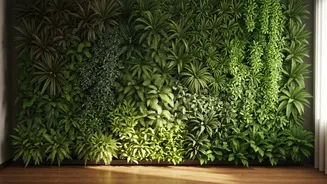
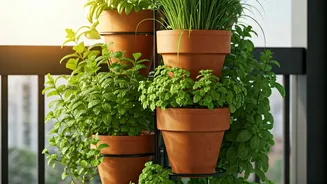
A vertical planter is exactly what it sounds like: a gardening system designed to grow upward rather than outward. By stacking individual pots or using a single, multi-tiered unit, you can multiply your growing area without sacrificing precious floor
space. This 'gardening up' approach is a game-changer for tight layouts, turning a barren wall or a forgotten corner into a productive, living feature. Instead of being limited to two or three pots on the ground, you can now cultivate a dozen plants in the same square footage. This simple shift in perspective allows you to think of your balcony not as a flat surface, but as a three-dimensional canvas for greenery.
The Timeless Charm of Terracotta
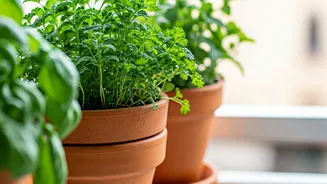
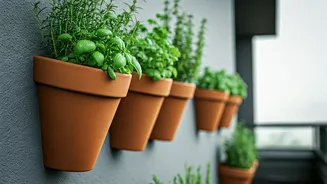
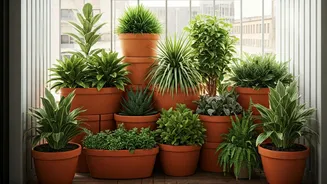
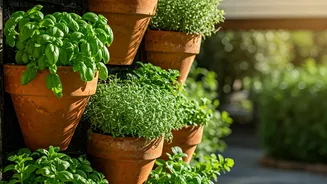
While vertical planters come in plastic, metal, and wood, terracotta holds a special appeal for both plants and people. This unglazed, porous clay has been used for centuries for a reason. Its earthy, reddish-brown hue provides a warm, rustic aesthetic that complements a wide range of architectural styles, from modern concrete to traditional brick. More importantly, terracotta is good for your plants. The porous walls allow air and water to move through the soil, preventing root rot and promoting healthier root systems. This breathability is particularly beneficial on hot, sun-drenched balconies where plastic pots can bake roots. The material acts as a natural buffer, keeping the soil cooler than a non-porous container would.
Choosing the Right Plants
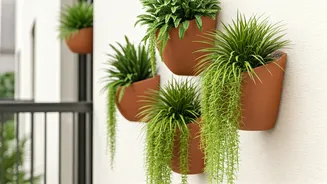
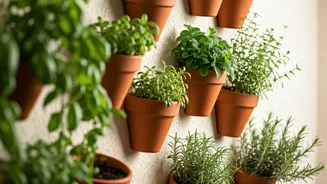
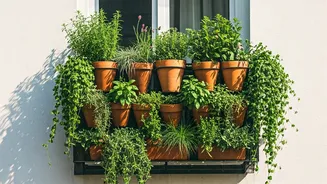
Success with a vertical planter depends heavily on plant selection. You need varieties that are comfortable in containers and suited to your balcony’s specific light conditions. For a sunny spot, consider a stacked herb garden featuring basil, rosemary, thyme, and oregano. Succulents like echeveria and sedum also thrive in the well-draining environment of terracotta. For a shadier balcony, trailing plants are a fantastic choice, as they create a beautiful cascading 'waterfall' effect. Think about ivy, string of pearls, or trailing petunias. Strawberries are another excellent option, as they love having their fruit hang in the air, away from soil-borne pests and moisture.
Watering and Care Essentials
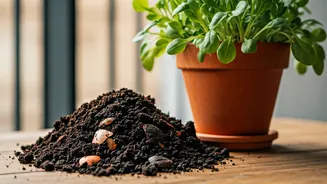
The very feature that makes terracotta great—its porosity—also presents its main challenge: it dries out quickly. In a vertical setup, this is even more pronounced, as the top tiers are exposed to more wind and sun. Plan to water more frequently than you would with plastic pots, especially during hot, dry weather. The best method is to water slowly and deeply until you see it draining from the bottom of each pot. A watering can with a long spout is your best friend here, allowing you to reach every level without much fuss. Also, remember that the plants at the top will likely dry out fastest, so give them a little extra attention.
Weight and Structural Considerations
Before you get carried away building your vertical oasis, take a moment for a practical safety check. Terracotta, soil, and water are all heavy. A fully loaded, multi-tiered planter can weigh a significant amount. Freestanding units are generally fine for any structurally sound balcony. However, if you are planning a very large or extensive setup, it's wise to be mindful of your balcony's weight limit. Start with a single, manageable stacker to get a feel for the weight and maintenance. You can always add more later. Ensure your planter is on a level, stable surface where it won't be easily knocked over by strong winds or a stray pet.