






Embrace the 'Shoulder Season'
Everyone wants to visit Paris in June or Colorado for skiing in December. The travel industry knows this, and prices for flights and hotels skyrocket during these peak times. The secret is the “shoulder season”—the months just before or after the peak.
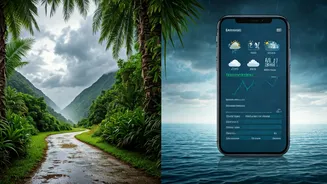
Think Italy in May or October instead of July, or visiting a national park in September after the summer crowds have thinned. You'll often find pleasant weather, fewer tourists, and significantly lower costs. This simple shift in timing can be the single biggest money-saver, allowing you to enjoy popular destinations without the peak-season price tag.
Become a Flexible Flight Hunter
The days of booking flights on a Tuesday to get the best deal are mostly behind us. Today, flexibility is king. Use flight search engines like Google Flights, Skyscanner, or Momondo, but don’t just search for one specific date and destination. Use their 'explore' features to see where you can fly cheaply from your home airport. Be willing to fly on a Wednesday instead of a Friday or to land at a smaller, regional airport a short train ride away from your main destination. Setting up fare alerts for routes you're interested in will also let the deals come to you, so you can pounce when a price drop occurs.
Stay Smarter, Not Cheaper
Accommodation is one of the biggest travel expenses, but a hotel isn’t your only option. Vacation rentals through sites like Vrbo or Airbnb can be cost-effective, especially for groups or families, and often include a kitchen, which dramatically cuts down on food costs. For solo travelers or adventurous couples, consider house-sitting. Platforms like TrustedHousesitters connect you with homeowners who need someone to look after their property and pets in exchange for a free place to stay. It’s a unique way to live like a local and eliminate your lodging budget entirely.
Eat Like a Local, Not a Tourist
You don't need to survive on granola bars to save money on food. The key is to avoid the tourist-trap restaurants on the main square. Instead, make the local grocery store or farmer’s market your first stop. It’s a cultural experience in itself and perfect for grabbing picnic supplies. For meals out, look for lunch specials, which often feature the same high-quality food as dinner for a fraction of the price. Follow the locals: if you see a small, unassuming spot with a line out the door, that’s where you want to be. It’s almost always more authentic, delicious, and affordable.
Find the Free and Nearly Free Fun
The best experiences on a trip are often free. Walking is the ultimate way to discover a city’s secrets, so dedicate time to simply wandering through different neighborhoods. Most cities have an abundance of free activities: public parks, beautiful churches, bustling markets, and scenic viewpoints. Many world-class museums offer free admission on certain days or evenings—a quick search for “[City Name] free museum days” will give you a schedule. Look for free walking tours (where you tip the guide what you feel the tour was worth) to get your bearings and learn about the city’s history from a passionate local.
Pack Light and Defeat Baggage Fees
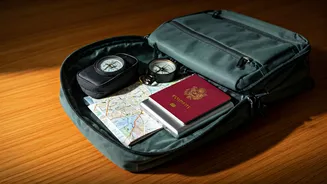
Budget airlines lure you in with cheap fares and then hit you with hefty fees for checked bags. The solution is to master the art of packing light. Traveling with only a carry-on not only saves you money but also time at the airport. Invest in packing cubes to compress your clothes and keep your bag organized. Plan a versatile travel wardrobe around neutral colors that you can mix and match, and limit yourself to two or three pairs of shoes. If you need to bring liquids, use solid toiletries (like shampoo bars and toothpaste tablets) to breeze through security. It's liberating to travel without being weighed down.