

The Allure of Altitude
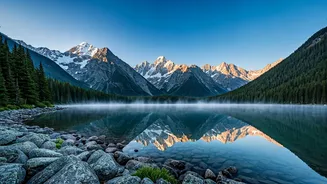
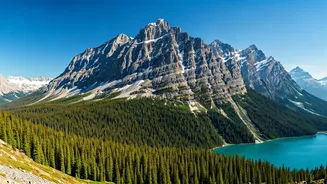
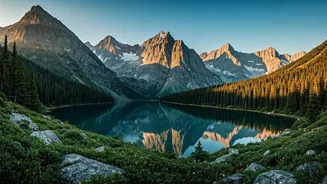
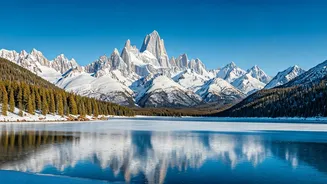
The most straightforward reason for the mountain boom is simple: it’s a great escape from the heat. As summer temperatures across the country climb to record highs, travelers are seeking refuge in places where a jacket might still be necessary after sunset.
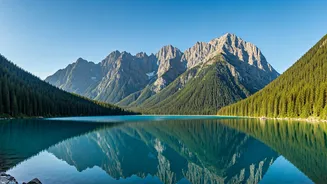
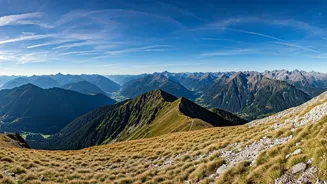
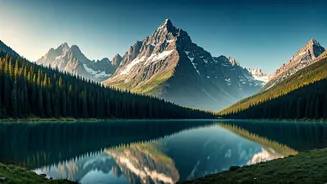
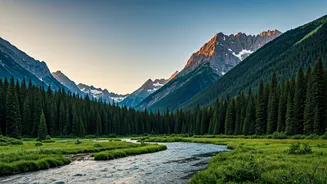
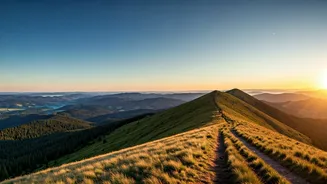
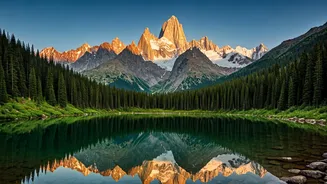
Mountain towns in the Rockies, Appalachians, and Sierras are experiencing a renaissance as summer destinations, not just ski resorts waiting for winter. This isn't just about escaping oppressive humidity. The appeal is active. Instead of lounging by a pool, the mountain-bound traveler is looking for adventure without the risk of heatstroke. Days are filled with hiking through pine-scented forests, kayaking on pristine alpine lakes, and mountain biking down trails that were ski slopes just months before. Towns like Telluride, Colorado, or Jackson, Wyoming, once considered off-season quiet in July, now bustle with farmers' markets, outdoor concerts, and packed restaurant patios. It’s a vision of summer that’s green, vibrant, and refreshingly cool.
Embracing the Arid Expanse
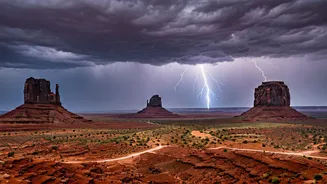
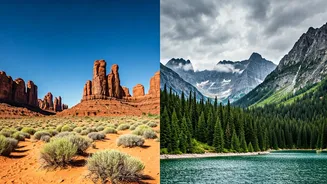
Here’s where the trend gets interesting. While half of your social media feed seems to be in lush Colorado, the other half is posting photos from the burnt-orange landscapes of Utah or the otherworldly terrain of Joshua Tree. Why would anyone voluntarily travel to a desert in the middle of summer? The answer lies in a different kind of travel calculus. For one, it’s a savvy budget move. Destinations like Palm Springs or Scottsdale see hotel rates plummet during the scorching summer months, making luxury resorts accessible to a wider audience. But it’s not just about the deals. Desert lovers embrace a different rhythm. Life is lived in the golden hours of dawn and dusk. Early morning hikes are rewarded with spectacular sunrises, while evenings are for stargazing. The desert in summer offers some of the best views of the Milky Way, free from the light pollution and haze that can plague more temperate climates. There's also a unique sensory experience—the intense, dry heat, the smell of creosote after a sudden monsoon shower, and the profound silence of the vast, open space.
Solitude, Scenery, and Social Feeds
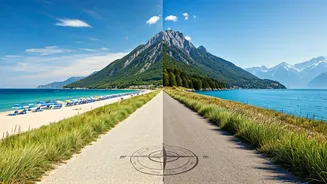
Ultimately, the choice between high hills and hot deserts often comes down to the kind of experience a traveler is seeking. The two environments offer fundamentally different aesthetics and vibes. The mountains promise lushness, activity, and a communal, outdoorsy energy. The aesthetic is one of log cabins, roaring fires, and verdant vistas—a feeling of cozy, adventurous abundance. The desert, by contrast, offers minimalism, introspection, and a stark, dramatic beauty. It appeals to those seeking solitude, spiritual connection, or simply a stunning, photo-ready backdrop. The aesthetic of adobe homes, mid-century modern architecture, and sculptural cacti has its own powerful allure. In an age driven by visual social media, both landscapes provide compelling, but very different, content. One feed might be full of green forests and rushing rivers; another might feature minimalist silhouettes against a fiery sunset. The choice reflects a personal brand as much as a vacation preference.
The New American Road Trip
This dual trend is also a product of larger shifts in how Americans travel. The post-pandemic era supercharged domestic tourism, with a renewed focus on national parks and wide-open spaces. With the rise of remote work, travelers have more flexibility to take longer trips and explore places that were previously too far for a quick getaway. The American road trip is back in a big way, and both mountain ranges and desert expanses are primary beneficiaries. Instead of flying to a single destination, many are now crafting multi-stop journeys that might even include both environments. A trip through the Southwest could easily pair the high-altitude forests near Flagstaff with the red rocks of Sedona. This flexibility allows travelers to curate their ideal vacation, chasing perfect weather, fewer crowds, or simply a change of scenery on their own terms. It’s less about choosing one over the other and more about embracing the full, diverse spectrum of the American landscape.