
More Than Just Mud
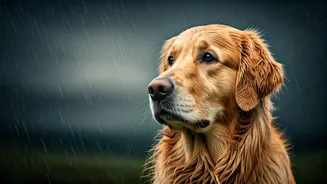
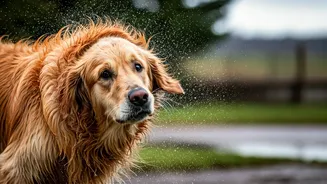
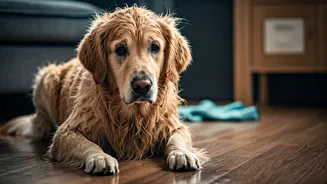
While muddy paw prints on clean floors are the most visible frustration of the rainy season, the real issues run more than skin deep. Constant moisture is a dog’s natural enemy, creating the perfect environment for a host of dermatological problems. When
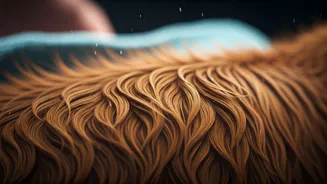
a dog’s coat remains damp, especially a thick double coat, the skin underneath can’t breathe. This trapped moisture can lead to painful hot spots—acute moist dermatitis—which are red, inflamed, and often infected areas of skin. Furthermore, consistently wet fur is prone to severe matting. As the damp hair clumps together, it pulls tightly on the skin, causing discomfort and potentially hiding parasites or skin infections underneath. This is why rainy season grooming isn't about vanity; it's about proactive healthcare.
Mastering the Paw Patrol
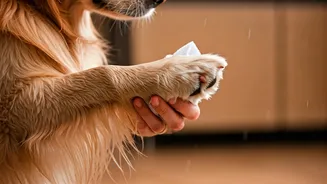
A dog’s paws are ground zero for rainy-day trouble. They tramp through mud, splash in puddles, and pick up bacteria, yeast, and debris. Simply wiping them with an old towel is often not enough. For a truly effective clean, consider a dedicated paw-washing routine. A paw plunger—a silicone-bristled cup you fill with a little water—can gently scrub away grime from between the toes and pads. After washing, it’s crucial to dry the paws thoroughly, paying special attention to the areas between the pads where moisture can get trapped and lead to yeast infections (often identified by a musty, corn-chip-like smell and incessant licking). Keeping the hair between the paw pads trimmed short can also significantly reduce the amount of mud and moisture that gets tracked inside and helps the paws dry faster.
The Art of the Dry-Down
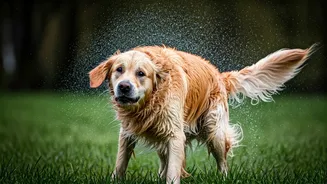
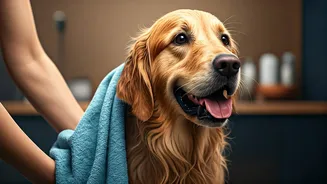
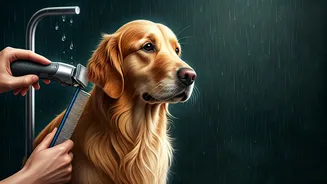
A quick towel-off after a wet walk is a good first step, but it rarely gets the job done, especially for long-haired or double-coated breeds. The surface fur might feel dry, but the dense undercoat can remain damp for hours, creating that perfect storm for skin issues. This is where your tools and technique matter. Invest in a set of ultra-absorbent microfiber towels designed for pets; they pull significantly more water from the coat than standard bath towels. For a more thorough drying, a high-velocity pet dryer is a groomer’s best-kept secret. Unlike a human hairdryer, it doesn’t use high heat, which can burn a pet’s skin. Instead, it blasts water off the coat with powerful, concentrated air. This not only dries the pet down to the skin but also helps blow out loose fur and debris.
Conquering 'Wet Dog Smell'
That infamous “wet dog smell” isn’t caused by the dog itself, but by the microorganisms, like bacteria and yeast, that live in their fur. When water evaporates from the coat, it carries these smelly microscopic byproducts with it, releasing a pungent, musty odor. The key to defeating it is twofold: removal and prevention. A proper bath with a quality deodorizing or antifungal dog shampoo can neutralize the culprits. However, bathing too frequently can strip the skin of its natural oils. The more effective, day-to-day strategy is ensuring your dog gets completely dry after every single exposure to rain. A fully dry coat doesn’t provide the damp environment these microbes need to thrive. For in-between baths, a waterless shampoo spray or coat deodorizer can help manage the scent without a full wash.
Your Rainy Day Toolkit
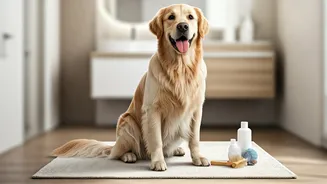
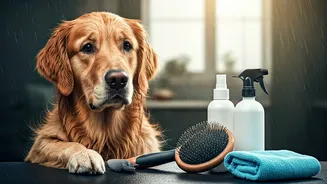
Being prepared can turn a season of frustration into a minor inconvenience. Consider assembling a rainy-day station by your door with everything you need for a quick and efficient clean-up. Key items include: - **A waterproof raincoat or slicker:** Prevention is the best medicine. Keeping your dog’s core dry minimizes the entire problem. - **A set of microfiber towels:** Have them ready and waiting by the door. - **A paw plunger or a shallow tub:** For dedicated paw washing. - **A slicker brush and a comb:** Use these daily to prevent damp fur from turning into painful mats. - **Waterless shampoo or pet wipes:** For quick touch-ups on less-soggy days.