


More Than Just a Mat Class
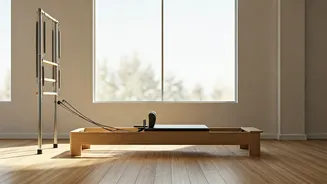
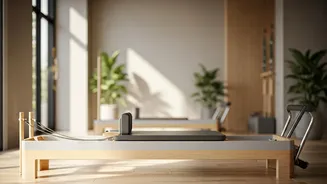
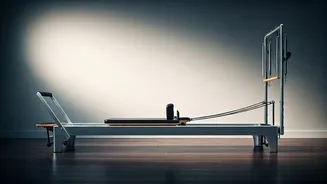
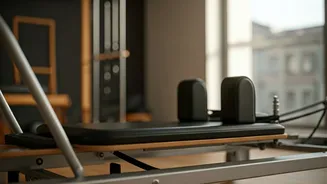
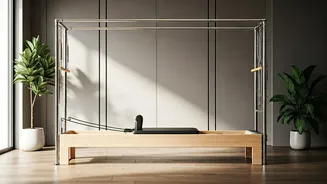
First, let's be clear: the Pilates taking over your feed isn't necessarily the gentle mat class you might picture in a community center. Today's boom is centered on Reformer Pilates, a version of the practice that uses a large, intimidating-looking machine
of springs, straps, and a sliding carriage. Developed by Joseph Pilates in the early 20th century for rehabilitation, the reformer adds resistance and support, allowing for movements that are both incredibly challenging and deceptively low-impact. This machine-based workout is the heart of the modern boutique studio. Classes are small, instruction is hands-on, and the focus is on precise, controlled movements. Forget high-energy music and a coach yelling affirmations over a microphone. The vibe here is one of focused intensity, where the burn is slow, deep, and undeniable. It’s a departure from the high-impact, sweat-drenched workouts that dominated the 2010s, offering a different kind of challenge that feels more sustainable and less punishing.
The Celebrity-to-Instagram Pipeline
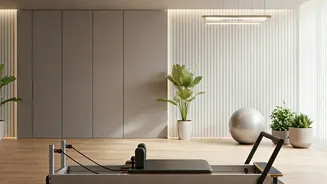
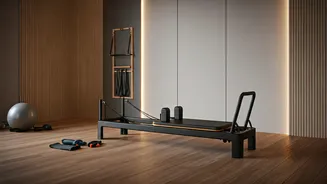
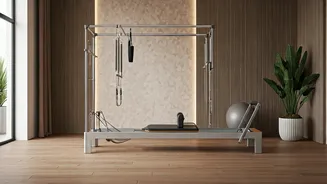
You can’t talk about the rise of Pilates without mentioning its A-list disciples. Celebrities like Hailey Bieber, Kendall Jenner, and Lori Harvey are frequently photographed leaving chic studios, effectively turning a post-workout paparazzi shot into a powerful endorsement. They don’t just do Pilates; they embody the aesthetic it promotes: long, toned limbs and an air of effortless strength. This imagery cascades directly onto social media, where the workout becomes aspirational content. The studios themselves are part of the appeal, with their minimalist design, flattering lighting, and exclusive feel providing the perfect backdrop for an Instagram story. The coordinated athletic wear and signature grip socks complete the look. It’s a full-package aesthetic that signals not just a commitment to fitness, but a subscription to a certain type of modern, polished wellness lifestyle.
An Antidote to 'Grind Culture' Fitness
For years, the boutique fitness mantra was “go harder, push further.” Think CrossFit WODs (Workout of the Day), grueling bootcamps, and high-intensity interval training (HIIT) classes that left participants utterly exhausted. While effective for some, this “grind culture” approach to exercise also led to burnout and injury for many. Pilates represents a philosophical shift. It's a workout built on the principles of control, precision, and core strength, not speed or brute force. The mental component is just as important as the physical. The intense focus required to maintain proper form on the reformer makes it a moving meditation for many. In a post-pandemic world where mental well-being is prioritized alongside physical health, this mind-body connection is a powerful draw. It offers a way to build formidable strength without the high-cortisol, fight-or-flight stress of more aggressive workouts, appealing to a generation tired of being told to constantly hustle.
The 'Quiet Luxury' of Wellness
Booking a spot in a popular Reformer Pilates class isn't easy—or cheap. With single classes often costing $35-$50 and coveted spots booking out weeks in advance, it has become the fitness equivalent of a hot restaurant reservation. This scarcity and high price point transform the workout into a status symbol, a form of “quiet luxury.” It’s less about a flashy logo and more about being part of an in-the-know community. These studios foster a sense of belonging. The small class sizes and shared physical challenge create a communal atmosphere that many people craved after years of solitary at-home workouts. You're not just another face in a massive gym; you’re part of a select group. This combination of exclusivity, community, and visible results has created a powerful feedback loop, making Pilates the undisputed workout to book for those seeking fitness that feels as good as it looks.