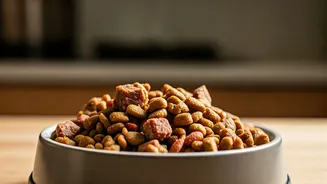




Why Is Protein Suddenly Everywhere?
The short answer? You. The “humanization” of pets is the single biggest driver in the pet food industry. As people become more conscious of their own diets—embracing everything from paleo to keto—they naturally start applying the same logic to their pets.
We see our dogs and cats as family members, and we want them to eat as well as we do. Pet food companies have noticed. Marketing materials often feature images of wolves or wild cats, tapping into the idea that a high-protein, meat-rich diet is more “ancestral” or “natural.” This story is powerful and resonates with owners who want to provide the very best for their companions. It frames protein not just as a nutrient, but as a key to unlocking a pet’s primal health and vitality.
What Qualifies as 'High-Protein'?
Here’s where it gets tricky. Unlike terms like “light” or “low-fat,” the phrase “high-protein” isn’t officially defined by the Association of American Feed Control Officials (AAFCO), the body that sets nutritional standards for pet food. This means a company can label its product “high-protein” as long as it contains more protein than a previous formula or a competitor’s standard product. Generally, for dry dog food, anything over 30% protein on a dry-matter basis is considered high. For cats, who are obligate carnivores, the baseline is already higher, so a “high-protein” cat food might be upwards of 40% protein. The key is to look at the “Guaranteed Analysis” on the package, but remember this is just a minimum or maximum percentage—it doesn’t tell you about the quality or digestibility of that protein.
The Real Science: Do They Need It?
Both dogs and cats are carnivores, but with a key difference. Cats are “obligate carnivores,” meaning they absolutely must get their nutrients from meat. Their bodies are not designed to efficiently process carbohydrates. Dogs, on the other hand, are “facultative carnivores.” Over thousands of years of domestication alongside humans, they’ve developed the ability to digest starches and grains. While their ancestral diet was meat-heavy, modern dogs can thrive on a balanced diet that includes protein, fats, and carbohydrates. So while protein is essential for both species—for muscle maintenance, immune function, and overall health—the idea that “more is always better” is an oversimplification. The right amount depends on age, activity level, and overall health.
Potential Benefits and Hidden Risks
For the right pet, a high-protein diet can be beneficial. It can support lean muscle mass in active, athletic dogs, and because protein can be more satiating, it may help with weight management in some cases. However, it’s not a silver bullet. Excess protein that the body can't use is converted and stored as fat, potentially leading to weight gain if the food is also high in calories. More importantly, high-protein diets can put a strain on the kidneys and liver of pets with pre-existing conditions. For senior pets or those diagnosed with kidney disease, a diet lower in high-quality protein is often recommended by veterinarians to reduce the workload on their organs. This is why a one-size-fits-all approach is risky.
How to Be a Smart Shopper
Instead of being swayed by the “high-protein” claim on the front of the bag, turn it over and read the ingredients list. Look for high-quality, named animal protein sources—like “chicken,” “beef,” or “salmon”—at the top of the list. Be wary of vague terms like “meat meal” or by-products, which can vary in quality. Also, consider the source of the protein. A food can boost its protein percentage with plant-based proteins like pea protein or corn gluten meal, which are less biologically appropriate for cats and less digestible for some dogs than animal-based sources. Don’t fall for just the number; the quality and source of the protein are what truly matter.