

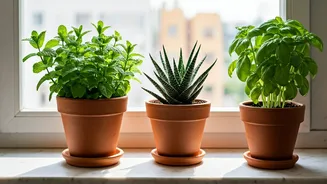
The Allure of the Green Nook
Why is this simple pleasure making such a strong return? The modern herb corner is more than just a throwback to the windowsill gardens of the 1970s. It’s a response to several contemporary desires. First, there’s the culinary payoff. The ability to snip
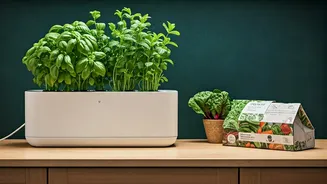
fresh basil for pasta or mint for a mojito elevates everyday cooking from a chore to a creative act. In a world of meal kits and takeout, cultivating your own ingredients, no matter how small, offers a powerful sense of connection to your food. Second, it’s a low-stakes wellness practice. Tending to a few small plants—watering, pruning, watching them grow—is a quiet, mindful activity that can reduce stress and bring a touch of nature indoors, a concept known as biophilia. Finally, it’s an aesthetic choice. A well-curated collection of terracotta pots or a sleek, modern planter system serves as a living, breathing piece of decor that adds color, texture, and life to a small space.
Best Herbs for Beginners
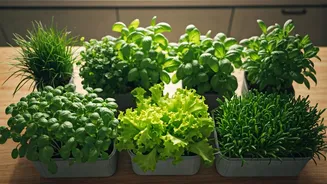
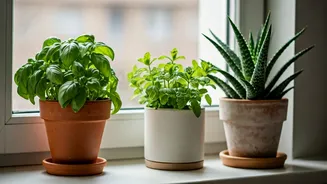
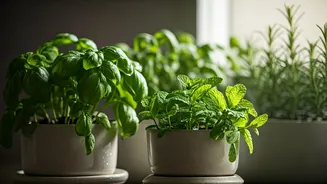
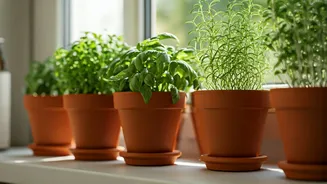
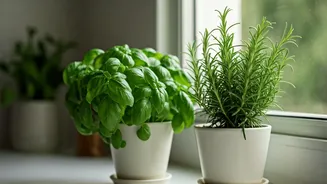
Not all herbs are created equal when it comes to indoor living. If you’re just starting, focus on varieties that are forgiving and highly rewarding. • **Basil:** The king of Italian cuisine, basil loves sunlight and consistent moisture. A pot on a sunny windowsill will produce fragrant leaves all summer. Just be sure to pinch off the flowers to encourage more leaf growth. • **Mint:** Famously easy to grow—almost too easy. Keep it in its own container, as its roots will aggressively take over any shared space. It’s less picky about sunlight and perfect for teas, cocktails, and desserts. • **Chives:** This member of the onion family is incredibly resilient. It thrives in a pot and can be snipped regularly with kitchen scissors to add a mild, oniony kick to eggs, salads, and potatoes. They’ll grow back quickly after a “haircut.” • **Parsley:** Whether you prefer curly or flat-leaf, parsley is a workhorse. It’s rich in vitamins and adds a fresh, clean flavor to almost any savory dish. It enjoys bright but not scorching sun.
Finding the Perfect Spot
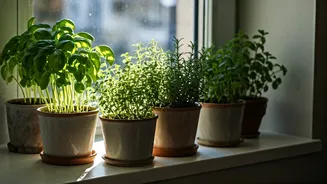
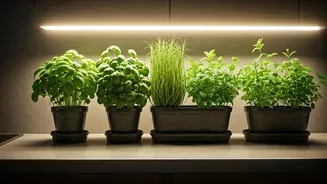
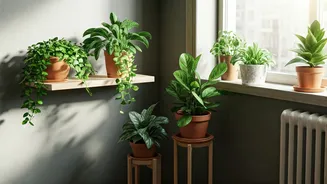
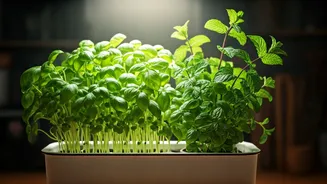
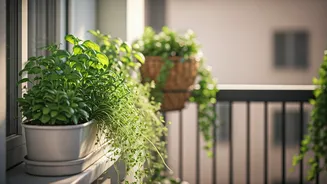
In a small home, every inch counts. The key to a successful herb corner is finding a spot with the right conditions. Most culinary herbs need at least four to six hours of direct sunlight per day. The classic south-facing windowsill is ideal, but don't despair if you don't have one. A bright spot on a kitchen counter, a small table pulled up to an east- or west-facing window, or even a shelf on a well-lit bookcase can work. For homes with less natural light, consider vertical solutions. Wall-mounted planters or hanging baskets can capture light from higher up a window. You can also supplement with a small, affordable LED grow light, which opens up possibilities for darker corners of your kitchen or living room.
Pots, Soil, and Water
You don’t need a garage full of gardening supplies. Start with the basics: containers, soil, and a way to water them. The most important feature for any pot is drainage. Without a hole in the bottom, roots will sit in water and rot. If you fall in love with a decorative pot that lacks a hole, you can use it as a “cachepot”—simply place a smaller, functional plastic pot with drainage inside it. Use a quality potting mix designed for containers, not soil from your yard, which is too dense and may contain pests. When it comes to watering, the “finger test” is your best friend. Stick your index finger about an inch into the soil. If it feels dry, it’s time to water. If it’s still damp, wait another day. It’s better to water thoroughly and less often than to give your plants a tiny sip every day.