



The Supermarket as the Main Attraction
It’s a scene playing out in cities across the globe: a 20-something enthusiastically filming the chip aisle in a Tokyo 7-Eleven, a couple debating over which block of cheese to buy in a Parisian fromagerie, or a solo traveler FaceTiming their friends
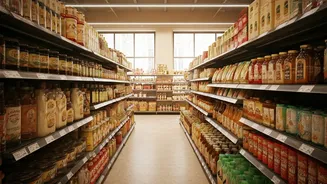
from a sprawling food market in Mexico City. This isn’t just a quest for cheap eats; it’s a fundamental shift in what it means to “experience” a new place. For Gen Z and millennial travelers, the fluorescent-lit aisles of a local grocery store have become an unlikely but essential destination. They offer a direct, unfiltered window into the daily life of a culture—a level of authenticity that a curated museum exhibit or a guided bus tour can rarely provide. The goal is no longer just to see the monuments, but to taste the local yogurt, try the weirdest soda flavor, and understand what people grab on their way home from work.
A Hunger for Realness
At its heart, this trend is a rebellion against the polished, pre-packaged version of tourism that dominated for decades. Tourist traps, by definition, are designed for outsiders. They present a simplified, often romanticized, caricature of a place. A grocery store does the opposite. It’s a place of mundane, everyday necessity, and in that mundanity lies its magic. Walking the aisles, you’re not an observer watching a performance; you’re a participant, momentarily stepping into the rhythm of local life. You see what brands are popular, what produce is in season, and what comfort foods people rely on. It answers fascinatingly specific questions: What do kids here get in their lunchboxes? What’s the go-to weeknight pasta sauce? It’s a form of practical anthropology, and the discoveries feel personal and earned, not handed to you from a brochure.
Affordability Meets Adventure
Let’s not ignore the practical appeal: it’s cheap. As travel costs soar, younger generations are masters of the high-low vacation—splurging on one key experience while saving everywhere else. A €15 tourist-menu lunch can be replaced by a €5 picnic of fresh bread, local cheese, and a bottle of wine from Carrefour, enjoyed in a public park. This isn't just about being frugal; it's about being smart. Why spend a fortune on a mediocre meal in a crowded square when you can assemble a feast of local delicacies for a fraction of the price? The souvenirs are better, too. Instead of a plastic keychain, travelers are bringing home jars of interesting mustard, bags of exotic spices, or tubes of regional tomato paste—things that are both a memory of the trip and genuinely useful. It turns souvenir shopping from a chore into a delicious treasure hunt.
Fueled by Social Media
Like so many modern trends, the supermarket pilgrimage has been amplified and codified by social media. On TikTok, the #supermarkettourism hashtag is filled with “grocery hauls” from around the world. These videos serve as both travel diary and service journalism, showing viewers what unique snacks to look for in Japan, which brand of olive oil to buy in Italy, or the sheer variety of crisps available in the UK. This creates a powerful feedback loop. People see a video of someone ecstatically discovering a new flavor of Fanta in Spain and add “visit a Spanish Mercadona” to their own travel wish list. It’s a crowd-sourced guide to the world’s most interesting everyday items, turning a simple shopping trip into a shareable, globally recognized cultural activity.