

The Decline of Performative Travel
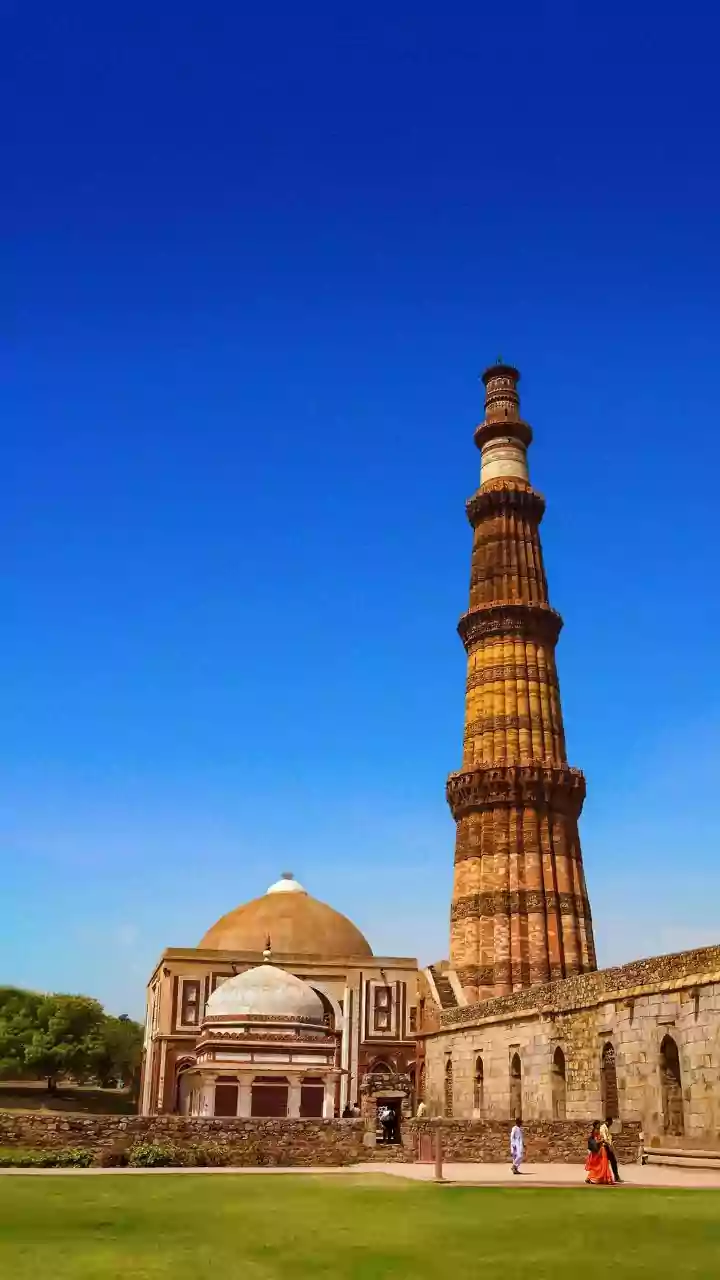
The age of the perfectly curated, geo-tagged vacation is showing signs of fatigue. For more than a decade, social media turned travel into a performance. Success was measured in likes, comments, and the envy of followers as you posed at the Eiffel Tower,
the Trevi Fountain, or a packed beach club in Mykonos. But for a growing number of travelers, the pressure to document everything has begun to outweigh the pleasure of the experience itself. This shift represents a move away from ‘extrinsic’ travel—journeys chosen for how they will be perceived by others—toward something more personal and ‘intrinsic.’ The goal is no longer to collect photo-ops but to collect moments of genuine peace and connection. In this new paradigm, the most desirable trip isn't the one that generates the most online buzz, but the one that requires you to put your phone away entirely.
The 'Stealth Wealth' Vacation
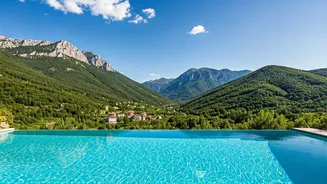
This trend mirrors the “stealth wealth” or “quiet luxury” movement seen in fashion and culture. Just as billionaires are swapping flashy logos for impeccably tailored but unbranded clothing, sophisticated travelers are trading five-star hotel chains in bustling cities for unlisted private villas, remote wilderness lodges, and boutique properties on forgotten coastlines. The status symbol is no longer the overt display of wealth, but the access and knowledge required to find solitude. It suggests a confidence that doesn't need external validation. Anyone with a credit card can book a suite at The Bellagio. It takes a different level of resources and insider know-how to secure a week at a secluded architectural marvel in the middle of a desert or a private buyout of a small inn in Vermont during peak foliage season. This exclusivity is the new currency.
What Defines a 'Quiet' Destination?
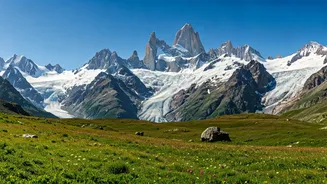
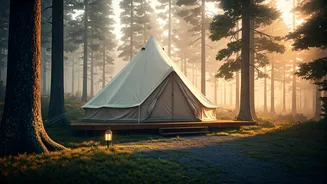
A “quiet” destination isn’t necessarily silent or devoid of activity. Rather, it’s defined by what it lacks: crowds, tourist traps, and the frantic energy of over-tourism. It could be a lesser-known region of a popular country, like Italy’s Le Marche instead of Tuscany, or a domestic escape that prioritizes nature and privacy over nightlife. Think less about Miami Beach and more about the serene shores of Michigan’s Upper Peninsula or a remote cabin in the Blue Ridge Mountains. The luxury component is still present, but it’s redefined. It’s the luxury of space, of personalized service from a host who knows your name, of eating a meal made from ingredients grown a few feet away, and of an itinerary dictated by your mood, not a tour bus schedule.
A Search for True Disconnection
At its core, the appeal of quiet travel is a direct response to the pressures of modern life. In a world of constant connectivity, notifications, and demands on our attention, true peace has become the ultimate luxury good. The pandemic amplified this, as people re-evaluated their priorities and developed a deeper appreciation for nature, wellness, and quality time with loved ones. A quiet vacation is an opportunity to reclaim your mental bandwidth. It’s a chance to disconnect from the digital noise and reconnect with yourself, your companions, and the natural world. It’s a recognition that in the 21st century, the most valuable thing you can give yourself isn’t another souvenir, but a moment of uninterrupted calm.