



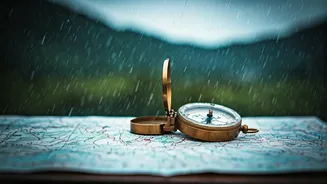
The Old Myth vs. The New Reality
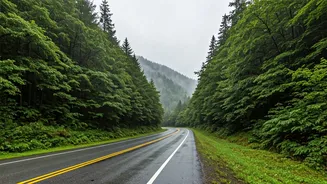
For decades, travel wisdom was simple: avoid the rainy season at all costs. Guidebooks were filled with warnings of washed-out roads, shuttered businesses, and days spent trapped indoors. The term “off-season” was a euphemism for “bad season.” But that
thinking is becoming outdated. What’s changed? First, technology. Hyper-accurate, short-term weather forecasting allows travelers to plan their days around showers, which often arrive in predictable, short bursts rather than all-day deluges. Second, traveler priorities have shifted. In a world of over-tourism, the promise of having breathtaking temples, beaches, and landscapes almost to yourself is a powerful lure. The post-pandemic traveler is often seeking more authentic, less crowded experiences, and the monsoon season delivers exactly that. It’s no longer about just tolerating the rain; it’s about leveraging the season for what it offers.
Perks Beyond the Cheaper Price Tag
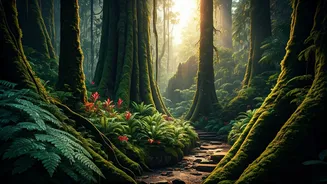
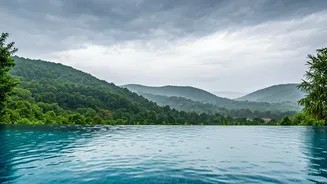
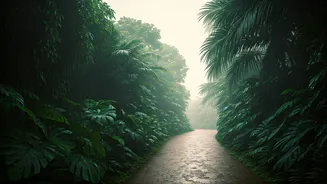
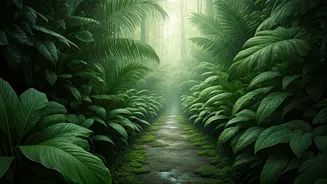
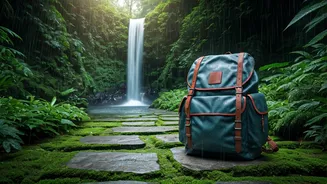
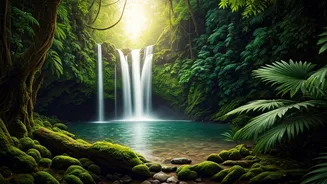
Yes, flights and accommodations are significantly cheaper during the monsoon. That’s the most obvious perk, but it’s far from the only one. The real strategic advantage lies in the quality of the experience. Destinations that are parched and dusty in the high season explode into vibrant, almost impossibly green landscapes. Waterfalls thunder back to life, rice paddies become brilliant mirrors, and the air feels clean and fresh after a downpour. This is often when these regions are at their most beautiful and photogenic. Fewer tourists also means more meaningful interactions. You’re more likely to have a relaxed chat with a local shop owner, get a more personal tour, or find a seat at the most popular café in town without a reservation. The rhythm of life slows down, and you’re invited to slow down with it. It’s a forced mindfulness that the frantic pace of high-season travel rarely allows.
Where the Rain Is a Feature, Not a Bug
This strategy works best in places where the monsoon follows a predictable pattern. In many parts of Southeast Asia, like Northern Thailand or Vietnam, the rain often comes in a heavy but brief afternoon shower, leaving mornings and evenings clear and cool. In Costa Rica, the “green season” (May to November) is a celebrated time when the rainforest is at its most lush and alive, with wildlife sightings becoming more frequent. Bali’s wet season sees iconic sites like the Tegalalang Rice Terraces become stunningly verdant, with fewer crowds obscuring the view. Even closer to home, the North American Monsoon in the Southwest U.S. (typically July to September) brings dramatic, cloud-filled skies, incredible sunsets, and the rare sight of the desert in bloom, creating a paradise for photographers. The key is to research the specific patterns of your destination.
Your Monsoon Booking Playbook
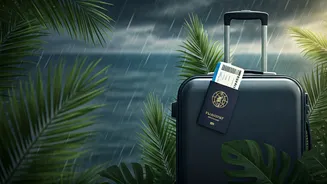
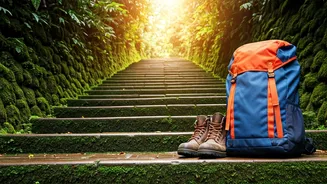
Ready to give it a try? Planning a successful monsoon trip is all about smart preparation. First, pack accordingly. Lightweight, quick-drying clothes are essential. Forget the heavy raincoat; opt for a breathable waterproof shell and an umbrella. Waterproof shoes or sturdy sandals are a must. Second, build flexibility into your itinerary. Don’t schedule a full day of non-refundable outdoor activities. Instead, mix in indoor options like cooking classes, museum visits, or spa treatments. Third, embrace the rhythm. Use the rainy afternoons for a nap, reading a book, or enjoying a coffee while watching the storm roll in. Finally, book accommodations with a good view or a covered balcony. Some of the most memorable moments can come from simply watching the rain transform the world outside your window. Think of it as part of the main event, not an interruption.