



An Unlikely Culinary Marriage
Let’s break down the components. On one side, you have khichdi (pronounced kitch-ree), a foundational dish across South Asia. At its core, it’s a simple, nourishing porridge of rice and lentils, often spiced with turmeric and ginger. It’s what you eat
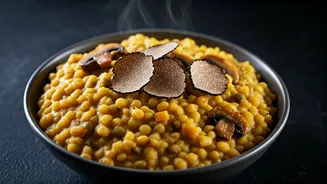
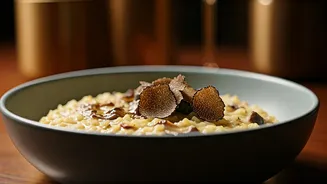
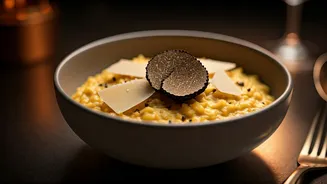
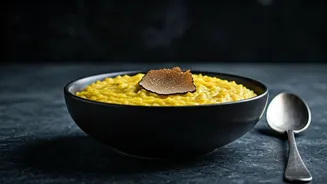
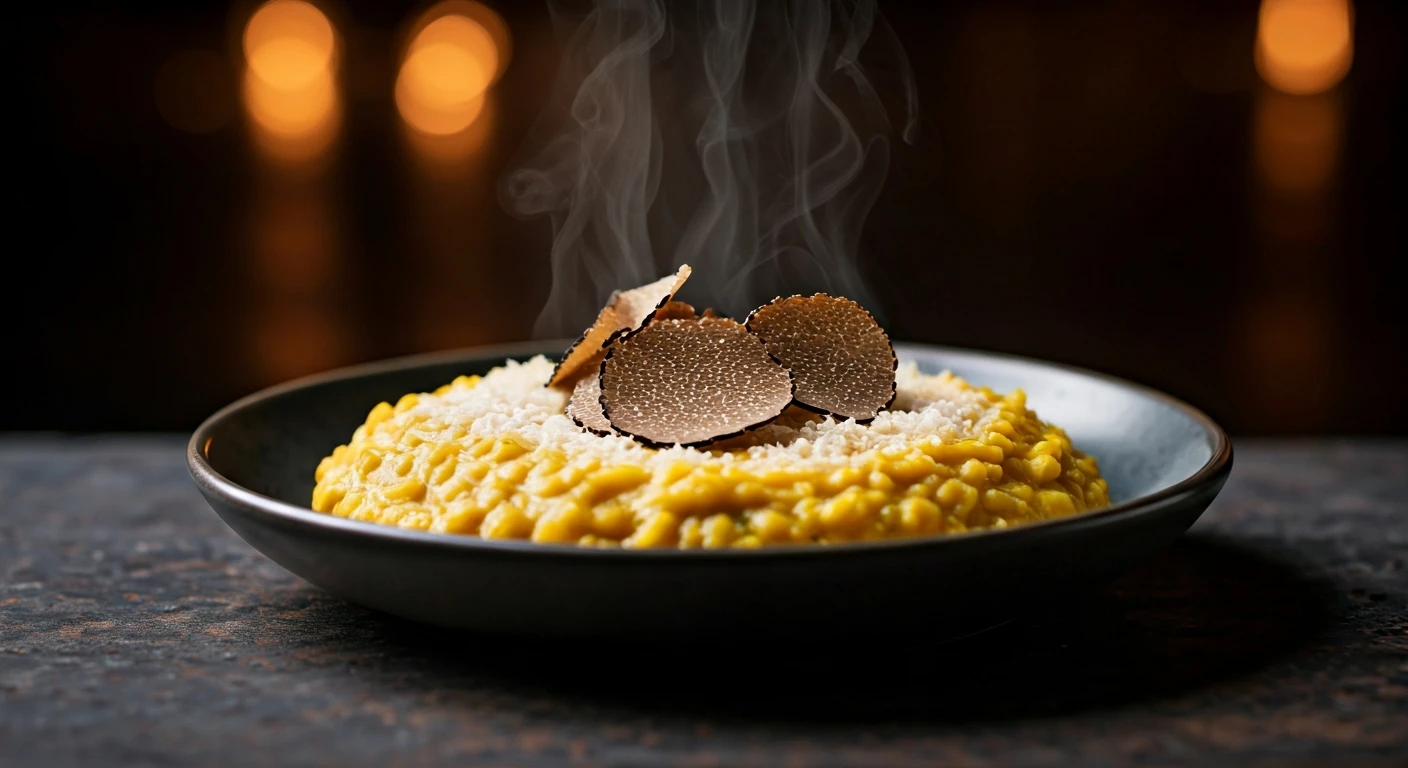
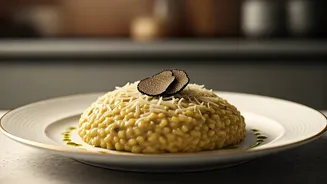
when you’re sick, when you’re homesick, or when you just need something pure and restorative. It is, for millions, the culinary equivalent of a warm hug. On the other side, you have ingredients that scream modern luxury. Truffle, the notoriously expensive fungus, lends its powerful, earthy aroma, usually via infused oil. Then there’s the “Parmesan snow”—finely grated or dehydrated Parmigiano-Reggiano, adding a salty, umami-rich kick. Together, they form a dish that exists at a fascinating crossroads: the rustic and the refined, the ancient and the audacious, the comforting and the complex. It’s served not in a simple steel bowl, but often in a polished dish, garnished with microgreens, looking every bit the part of a high-end restaurant star.
The Rise of Modern Indian Cuisine
Truffle Khichdi didn't appear in a vacuum. It’s a poster child for the “Modern Indian” or “Progressive Indian” culinary movement that has gained momentum over the past two decades. Chefs in cities like New York, London, Dubai, and Mumbai have been deconstructing and reconstructing classic Indian recipes, applying global techniques and incorporating non-traditional ingredients. Think of it as a culinary dialogue where no rules are sacred.
Pioneering chefs like Vikas Khanna have championed the dish, presenting it as an evolution, not a betrayal. For them, it’s about showcasing the versatility of Indian food on the world stage. Why shouldn’t a beloved Indian staple get the same fine-dining treatment as Italian risotto or French potatoes? By dressing khichdi in truffle and Parmesan, these chefs are making a bold statement: our comfort food is worthy of your tasting menu. It's an assertion of culinary confidence and an invitation for the world to see Indian cuisine as more than just curries and naan bread.
Innovation or Appropriation?
Of course, not everyone is a fan. The dish has ignited a fierce debate online and in food circles, centering on the loaded word: “authenticity.” For critics, slathering a simple, almost medicinal dish in truffle oil feels like a solution in search of a problem. They argue it strips khichdi of its soulful essence, turning a humble meal into an overpriced, gentrified commodity for an audience that might not appreciate its origins. It raises uncomfortable questions about who gets to innovate and which cultures get to define their own food.
Some see it as a form of culinary colonialism, where Western luxury ingredients are used to “elevate” or “validate” a non-Western dish. The pushback isn't just about taste; it’s about identity. To many, khichdi is perfect as it is. Adding truffle oil isn't seen as an improvement but as an erasure of its humble, accessible spirit. The debate mirrors similar conversations around things like 'chai tea lattes'—a sense that the core of a culture is being repackaged and sold back in a less authentic, more expensive form.
A Global Appetite for Elevated Comfort
Ultimately, the Truffle Khichdi phenomenon is part of a larger global trend. We live in an era of the high-low mix, where comfort foods are constantly being reimagined with luxury twists. Consider the ubiquity of lobster mac and cheese, gourmet burgers topped with foie gras, or fried chicken drizzled with hot honey and served with champagne. There’s a powerful market for food that delivers a double hit of nostalgia and novelty, comfort and status.
This culinary remixing speaks to a modern diner who wants it all: the familiar embrace of a childhood meal combined with the thrill of a sophisticated, Instagram-worthy experience. It reflects a world where culinary borders are more porous than ever. The plate has become a canvas for globalization, where ingredients and ideas travel freely, creating fusions that are sometimes brilliant, sometimes bizarre, but always a reflection of the times.