

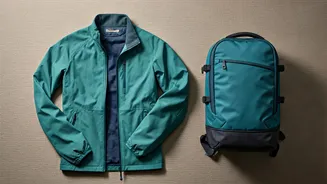
The Backlash Against 'Clothes for Clicks'
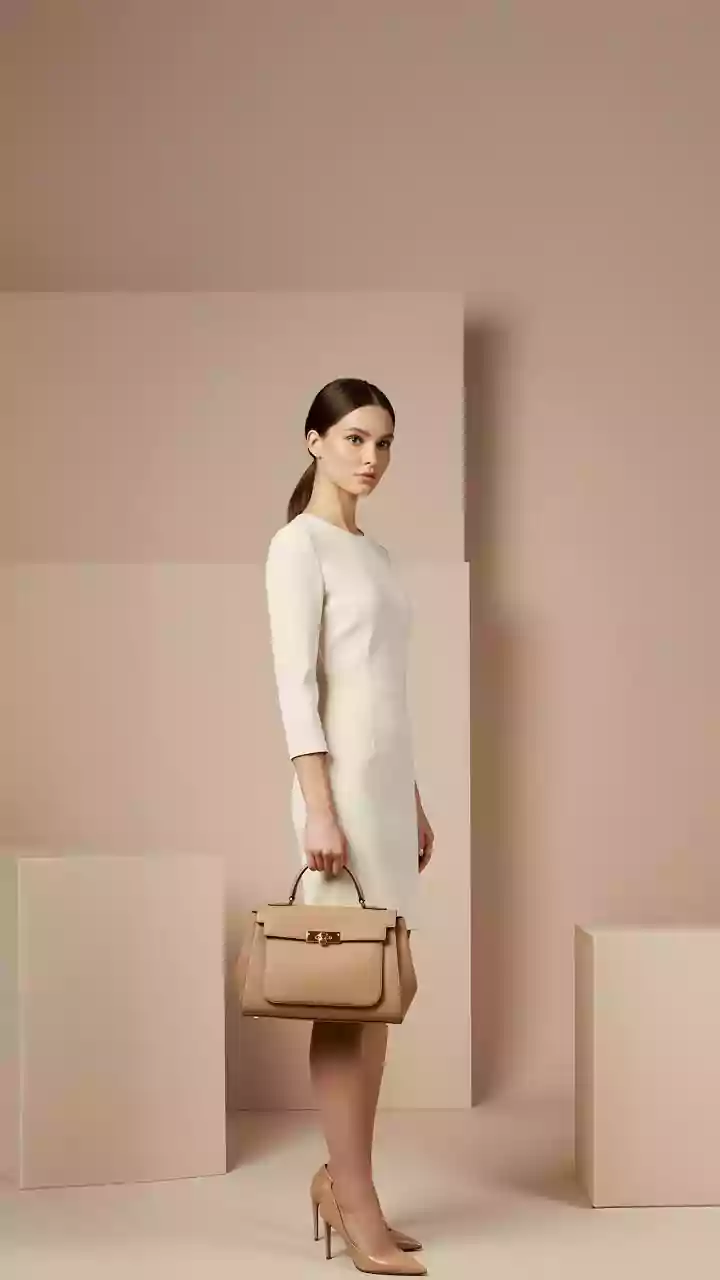
For the better part of a decade, social media feeds were dominated by an unspoken dress code. It involved picture-perfect, often impractical outfits designed for a single purpose: to look good in a photo. Think precarious heels on cobblestone streets,
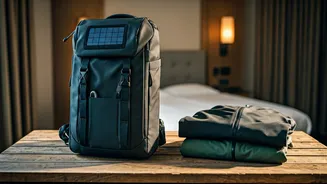
delicate fabrics worn for a single post, and an endless cycle of micro-trends fueled by fast-fashion hauls. It was a uniform for a life performed online. Gen Z, having grown up as digital natives, seems to be uniquely tired of the performance. They are pushing back against the aesthetic pressure cooker of Instagram, rejecting the idea that an outfit’s primary function is to be documented. Instead, they’re asking a simple question: What can this garment *do* for me? Can I run for the bus in these shoes? Will this jacket keep me dry in a sudden downpour? Does this bag actually hold my laptop, my water bottle, *and* my wallet? This isn’t anti-fashion; it’s a re-centering of fashion around the wearer's actual, lived experience, not the imagined viewer.
Enter 'Gorpcore' and Practical Aesthetics
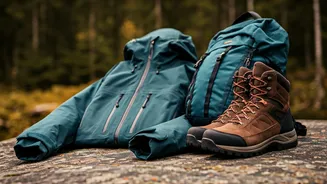
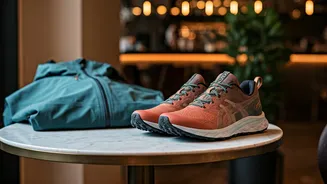
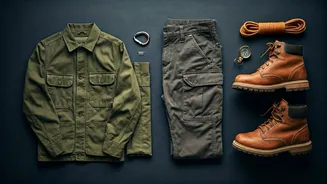
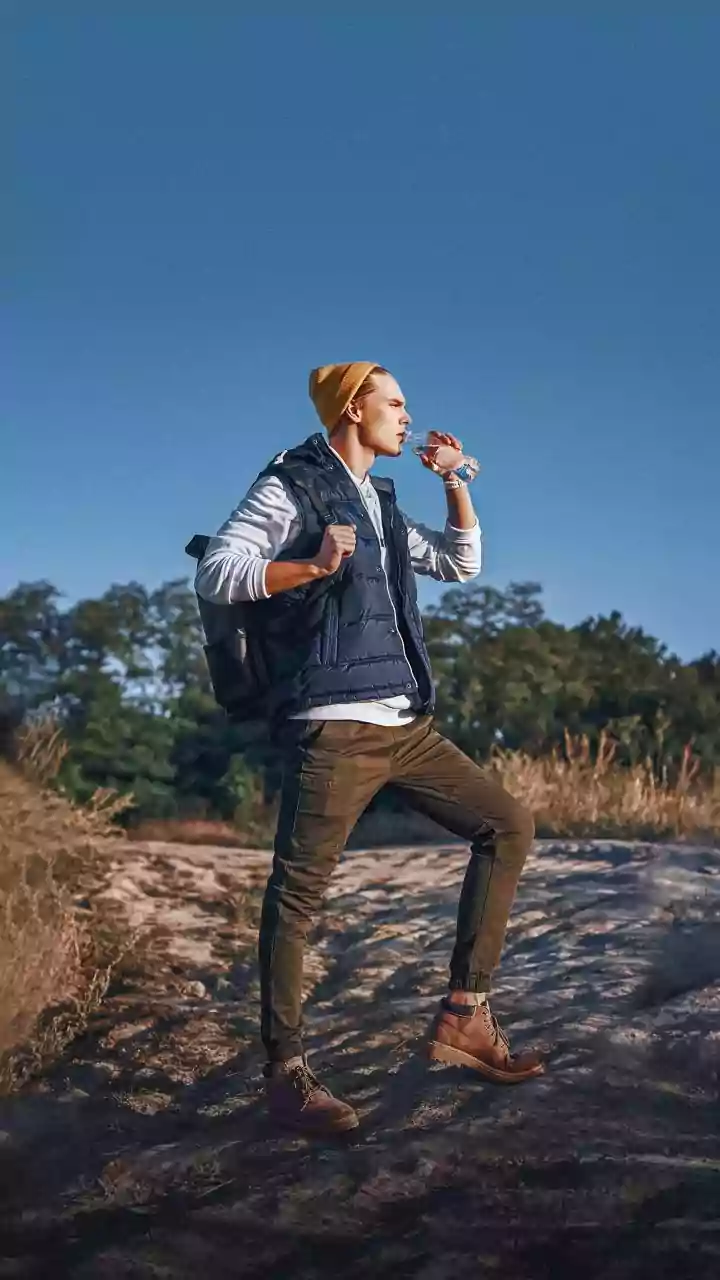
This practical mindset has a name—or rather, several. The most prominent is “gorpcore,” a term for an aesthetic built around outdoor and technical apparel. Think The North Face puffers, Patagonia fleece, Arc’teryx shell jackets, and Salomon trail-running shoes worn not on a mountain, but for a coffee run in the city. These aren’t just brand choices; they are investments in durability, performance, and utility. A waterproof jacket is, by its nature, an honest piece of clothing. It either keeps you dry, or it doesn’t. There’s no faking it. This appreciation for function extends beyond just outdoor gear. It's seen in the resurgence of cargo pants (pockets you can actually use!), durable workwear like Carhartt jackets, and a general preference for high-quality basics that can be worn repeatedly. It’s the sartorial opposite of a disposable garment meant for a single night out. This trend says quality and function are the new status symbols, replacing the loud logos of a previous era.
Driven by Economics and Ethics
This shift isn't happening in a vacuum. It’s deeply connected to the economic and social realities facing younger generations. With economic uncertainty, inflation, and a precarious job market, there's a growing desire for items that offer real value. Paying more for a jacket that will last five years feels smarter than buying five cheap jackets that fall apart. This is the logic of “cost per wear,” a practical metric that prioritizes longevity over initial sticker price. Beyond personal finance, there’s a strong ethical component. Gen Z is acutely aware of the environmental and human cost of the fast-fashion industry. The endless churn of micro-trends and polyester garments is seen not just as wasteful, but as morally questionable. Opting for durable, functional, and often secondhand pieces is a vote against that system. It’s a form of consumer activism expressed through pockets, reinforced seams, and waterproof zippers. Choosing an outfit that “works” is also a choice for a more sustainable and less exploitative fashion ecosystem.
Redefining the Everyday Uniform
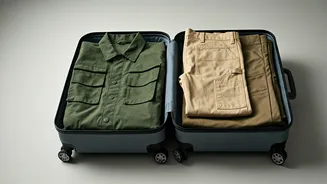
Perhaps the most significant impact of this trend is how it’s redefining what it means to be well-dressed. The lines between specialized gear and everyday clothing have completely blurred. The same technical shell jacket you might wear on a hike is now perfectly acceptable in a creative office or at a trendy restaurant. The pandemic accelerated this, as comfort and practicality became universal priorities when home became the office, gym, and café all in one. But Gen Z has carried that ethos out into the world. They’ve decoupled formality from quality. An outfit doesn't need to be restrictive or uncomfortable to be stylish. True style, in this new framework, is about self-sufficiency. It’s about having an outfit that can handle whatever the day throws at you, from a sudden rainstorm to a last-minute plan change. It’s a wardrobe that’s resilient, adaptable, and ready for anything—much like the generation that champions it.