

Defining Warm Minimalism
First, let’s clear up a common misconception. Minimalism isn’t about sterile, empty white boxes that feel cold and unlivable. That’s a caricature. Warm minimalism is its inviting, soulful cousin. It champions the core principle of “less but better,” but infuses
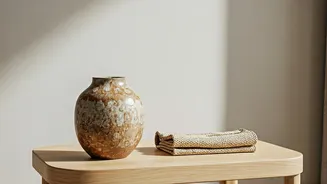
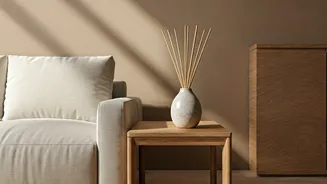
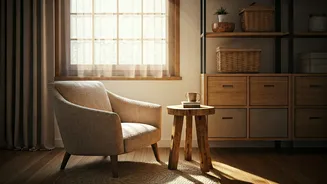
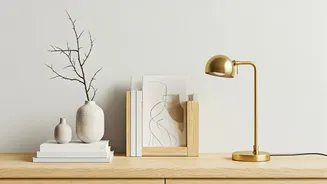
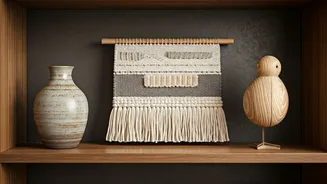
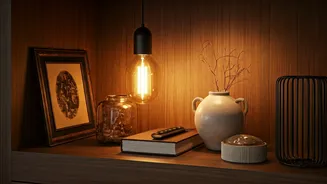
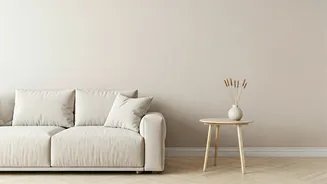
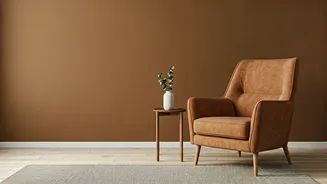
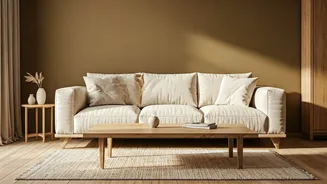
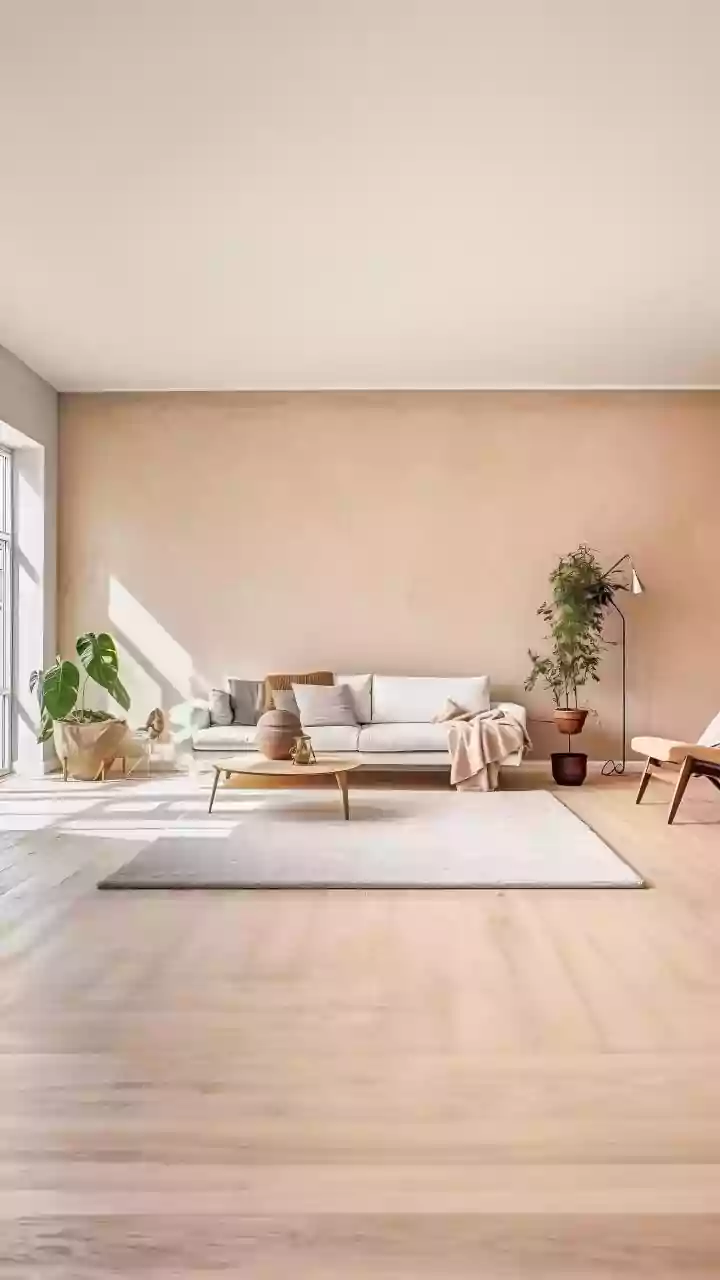
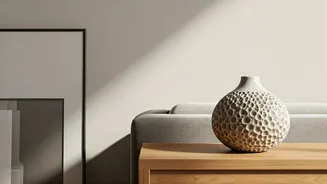
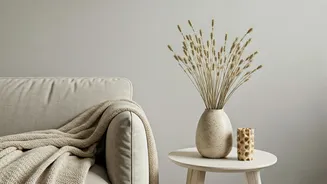
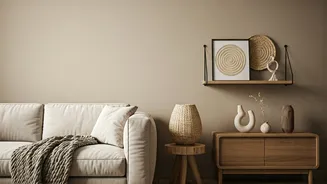
it with texture, natural materials, and personal touches. Think of a space with clean lines and an uncluttered layout, but softened by a plush wool rug, a worn leather armchair, handcrafted ceramic pottery, and an abundance of natural light. The color palette moves beyond stark white to include earthy tones like beige, cream, terracotta, and soft grays. The focus is on creating a sanctuary that feels both calming and deeply personal, where every object has a purpose or brings you joy.
The Sustainability Connection: Buying Less
The link between warm minimalism and sustainability is direct and powerful. At its heart, the movement is a rejection of consumer culture and the “fast furniture” industry, which churns out low-quality, trend-based items designed to be replaced in a few years. By adopting a minimalist mindset, you naturally consume less. Instead of filling your home with disposable decor, you focus on acquiring only what you need and love. This reduction in consumption means fewer resources extracted from the earth, less energy used in manufacturing and transportation, and less waste heading to landfills when trends inevitably change. It’s a conscious choice to step off the hamster wheel of seasonal updates and build a home with a lighter environmental footprint.
An Investment in Quality and Durability
Here’s where the “long-term investment” part comes in. Warm minimalism encourages you to invest in pieces made from high-quality, durable materials. Think solid wood instead of particleboard, natural fibers like linen and wool instead of polyester, and metals like steel or brass that age beautifully. While a solid oak dining table or a well-made sofa may have a higher upfront cost than a flat-pack alternative, it’s designed to last for decades, not just a couple of years. Over time, you save money by not having to constantly replace broken or worn-out furniture. This is the classic “buy it for life” mentality applied to your living space. These pieces become part of your story, gathering character and memories, rather than being temporary placeholders.
Timeless Style That Outlasts Trends
One of the biggest financial and environmental drains of interior design is the endless cycle of trends. What’s in one year—like bouclé everything or checkerboard prints—is dated the next. Warm minimalism provides an escape route. By focusing on classic forms, neutral palettes, and natural materials, you create a foundational style that is inherently timeless. A simple, well-crafted wooden bed frame or a comfortable, elegantly designed armchair will look just as good in ten years as it does today. This timeless appeal means your home won’t feel stale or out of style, reducing the pressure to constantly redecorate. You can introduce personality and freshness with smaller, easily swappable items like pillows, art, or plants, without needing to overhaul the expensive, foundational elements of the room.