


1. Prioritize Your Tires
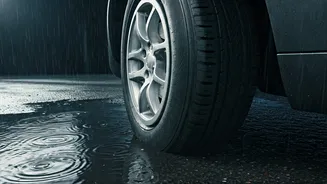
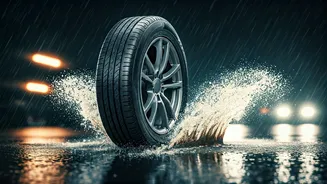
Your tires are the only part of your car that actually touches the road, and on a wet surface, their condition is paramount. The deep grooves in your tire tread are designed to channel water away, allowing the rubber to maintain contact with the pavement.
When that tread is worn down, your car is essentially trying to ski on a thin layer of water—a dangerous phenomenon known as hydroplaning. Before the rainy season hits, perform the classic 'penny test.' Insert a penny into your tire's tread with Lincoln's head upside down. If you can see all of Abe's head, your tread is worn below the recommended 2/32 of an inch, and it's time for new tires. Also, check your tire pressure. Under-inflated tires can affect handling and braking, especially in wet conditions. The correct pressure is listed on a sticker inside your driver's side door jamb, not on the tire itself.
2. Inspect Your Wiper Blades
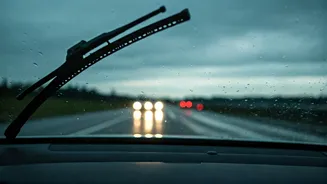
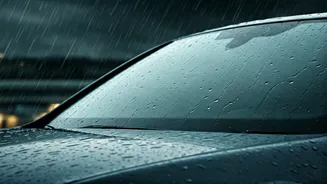
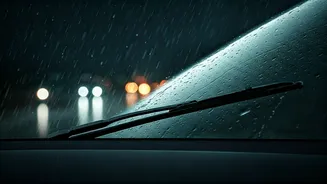
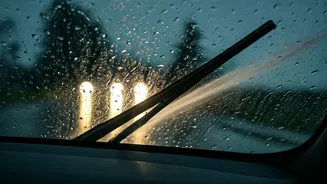
Windshield wipers are a classic case of 'out of sight, out of mind' until you desperately need them. Sun exposure and dry heat, common in monsoon regions before the rains arrive, can cause the rubber on your wiper blades to crack, harden, and become ineffective. A bad set of wipers won't clear water; they'll smear it, catastrophically reducing your visibility in a storm. Check them now. Lift the blades off the windshield and run your finger along the rubber edge. If it feels brittle, chipped, or ragged, replace them. A good rule of thumb is to replace your wipers every six to twelve months, especially if you live in a climate with extreme temperature swings. While you're at it, top off your windshield washer fluid. You'll need it to clear away the road grime that gets kicked up in the first few minutes of a storm.
3. Test All Exterior Lights
In a torrential downpour, visibility drops for everyone. Your lights aren't just for helping you see; they're for helping others see you. A burned-out headlight, taillight, or brake light can make your vehicle nearly invisible from certain angles, dramatically increasing the risk of a collision. Have a friend or family member help you perform a quick check. Turn on your headlights (both regular and high beams), then test your turn signals, brake lights, and hazard lights. If any are out, replace the bulb immediately. It’s an inexpensive fix that provides a critical layer of safety. Also, make sure the plastic lens covers are clean and not overly fogged or yellowed, which can significantly dim the light's output.
4. Check Your Brakes
It takes longer to stop on a wet road than on a dry one. Your braking system needs to be in top condition to handle the decreased traction. If you've been hearing any squealing, grinding, or scraping noises when you apply the brakes, don't ignore them. These are telltale signs that your brake pads are worn and need replacing. A mechanic can also check your brake fluid levels and the condition of your rotors. Getting a brake check before the monsoon season is a smart, proactive move that ensures you have the stopping power you need when a car ahead of you suddenly slows in the rain.
5. Know How to Handle a Skid
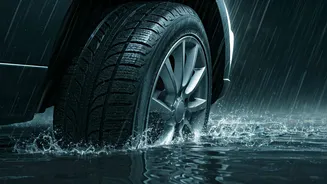
Even with a well-maintained car, hydroplaning can happen, especially if you drive through standing water too quickly. It feels like the car is floating, and you'll notice a loss of steering control. The key is not to panic. Do not slam on the brakes or jerk the steering wheel. Instead, ease your foot off the accelerator. Gently steer in the direction you want the car to go. As the car slows, the tires should regain contact with the road, and you'll feel control return. The best defense is prevention: slow down significantly on wet roads and avoid driving through large puddles or flooded areas whenever possible.
6. Stock a Roadside Emergency Kit
Getting stuck on the side of the road is always a pain, but it's significantly worse in the middle of a blinding rainstorm. A basic emergency kit can be a lifesaver. Ensure your car is stocked with essentials like a flashlight with extra batteries, a rain poncho, jumper cables, a first-aid kit, and some non-perishable snacks and water. Reflective triangles or flares are also crucial for making your vehicle more visible to other drivers if you have to pull over on a dark, stormy night. Having these items on hand provides peace of mind and keeps you safe while you wait for conditions to improve or for help to arrive.