



What is This Trend, Exactly?
At its core, the trend is simple: instead of washing fruit right before you eat it, you do it all at once upon returning from the grocery store. This often involves a 'fruit bath'—a basin of water sometimes mixed with a splash of white vinegar or a sprinkle
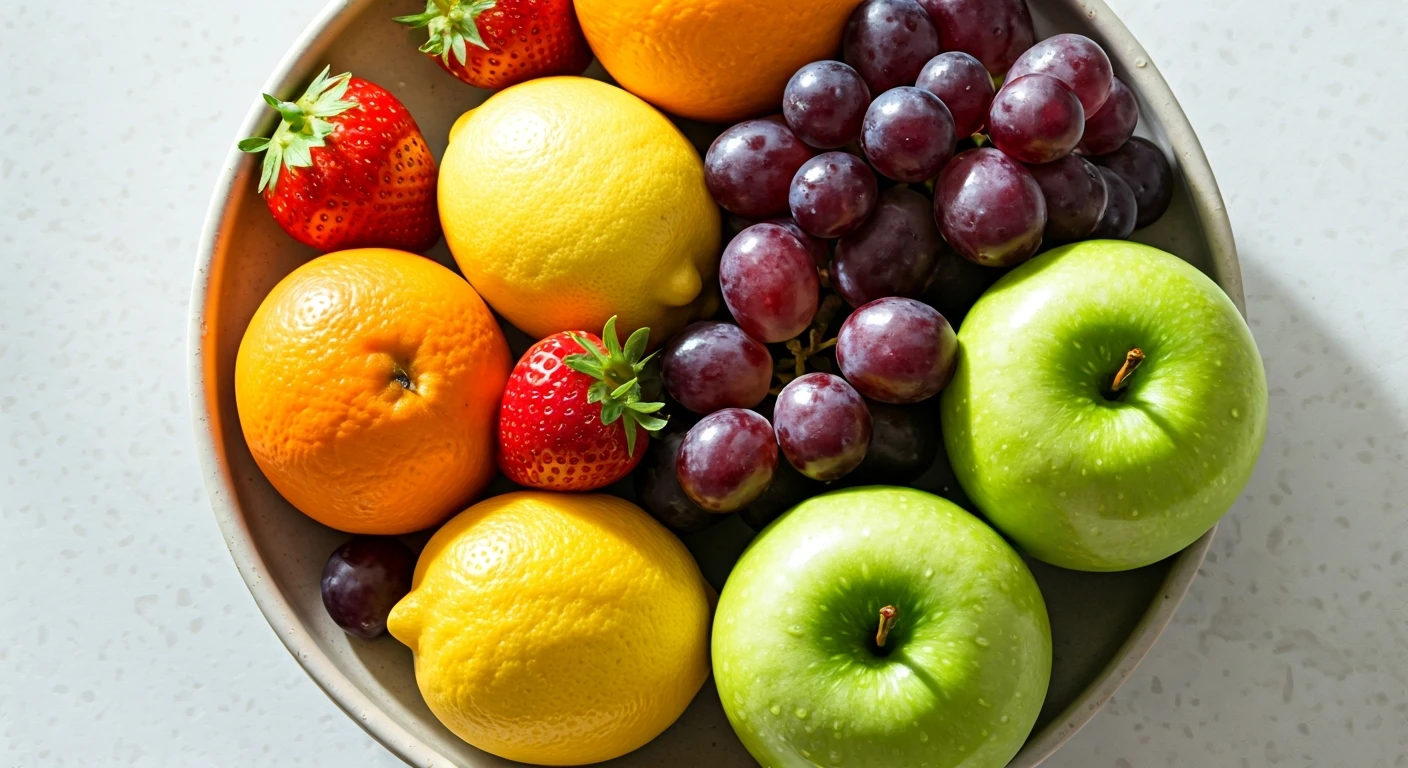
of baking soda—followed by a thorough rinse and dry. The clean, dry fruit is then artfully arranged in a large bowl or container and placed in the fridge, creating a grab-and-go 'snack station.' It’s presented as the ultimate life hack for busy people who want to eat healthier, removing the tiny barrier of the rinse-and-dry step that might stand between them and an apple.
The Allure of Aesthetic Wellness
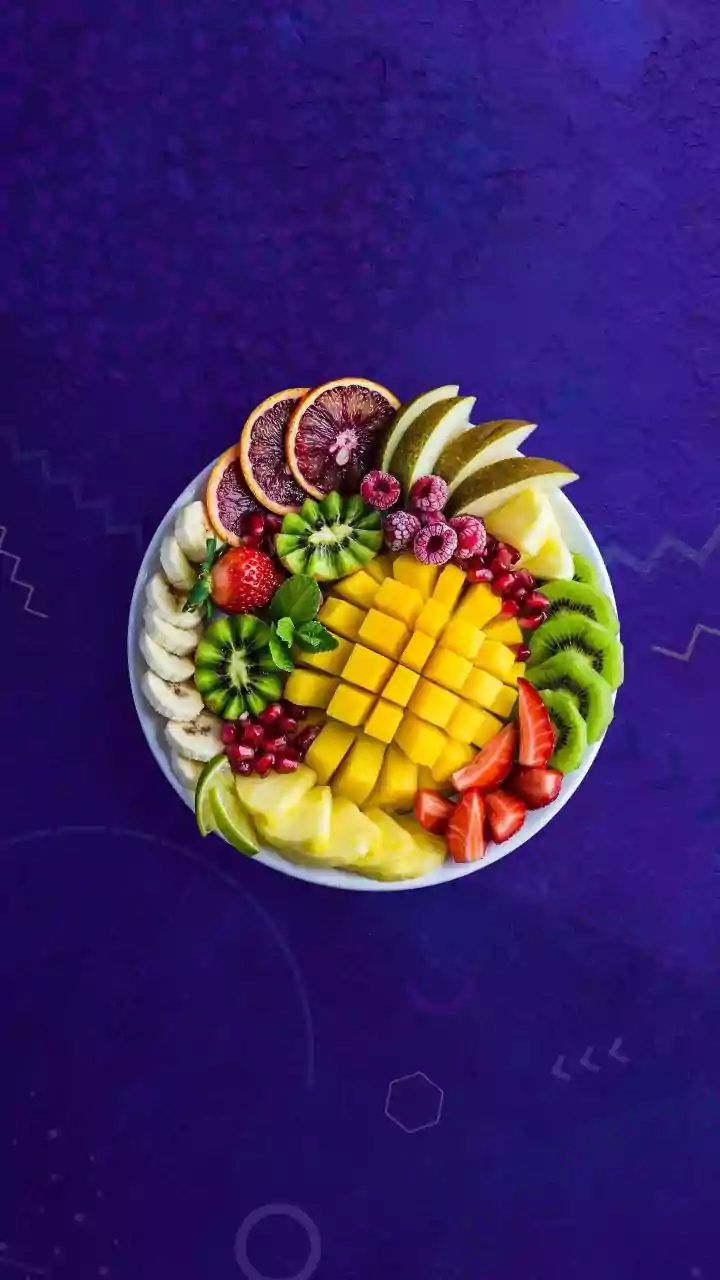
The resurgence of the washed fruit bowl isn’t just about convenience; it’s deeply rooted in the visual culture of modern wellness. It transforms a mundane chore into a satisfying, almost therapeutic ritual. The images are undeniably appealing—colorful, vibrant, and evocative of health and abundance. In a world where every part of life can be curated for an audience, the fruit bowl becomes another piece of content. It’s a quiet signal that you have your life together, that you prioritize self-care, and that your kitchen is not just functional but also beautiful. This 'aestheticization of everything' makes a simple habit feel like a significant lifestyle upgrade, which is catnip for the wellness-inclined.
Is This Just Common Sense Repackaged?
Let's be honest: washing produce is not a groundbreaking discovery. For generations, people have been cleaning their fruits and vegetables. What’s new is the packaging of this basic food safety step as a 'trend' or 'hack.' Part of its appeal lies in its simplicity. Unlike complicated diets or expensive supplements, this is an accessible, low-cost habit that feels productive. It taps into a desire for order and preparation, often referred to as 'closing duties' for the home—the small tasks that set you up for a smoother tomorrow. By giving this old-fashioned habit a new name and a hashtag, wellness culture has successfully sold a basic kitchen task back to us as a novel form of self-improvement.
A Reality Check From Food Experts
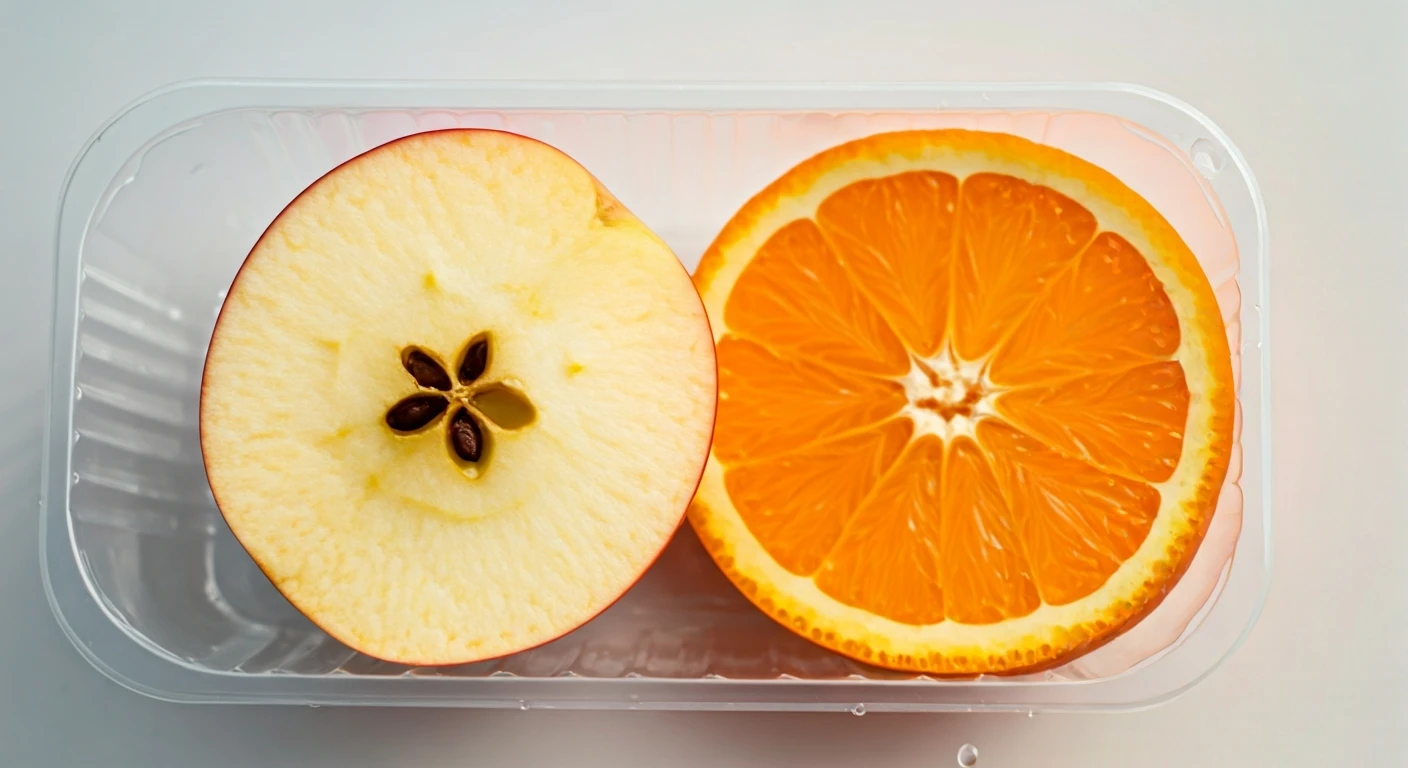
Before you dunk your entire grocery haul into a vinegar bath, food safety experts have a few notes. The primary concern is moisture. Excess water is the enemy of freshness and can accelerate mold growth and spoilage, especially on delicate items like berries. While a vinegar rinse might have mild antimicrobial properties, the U.S. Food and Drug Administration (FDA) states that washing produce with clean, running water is sufficient. The real key to making this work is drying the fruit *meticulously*. Any lingering dampness will shorten its lifespan. Furthermore, not all fruits are good candidates. Hearty produce like apples, oranges, and firm grapes hold up well. Soft berries, cut melon, or anything with a delicate skin is best washed right before eating.
How to Make It Work for You
If the allure of a ready-to-eat fruit bowl is too strong to resist, you can adopt the habit without risking waste. First, be selective. Stick to washing hardy fruits that can withstand a little extra handling. For berries, consider storing them in their original container and rinsing only what you need. Second, focus on drying. After washing, lay your fruit in a single layer on a clean towel or use a salad spinner for grapes. Pat them completely dry before they go into their display bowl. Finally, consider airflow. A wire mesh bowl or a container with vents is better than a solid ceramic one, as it helps prevent moisture from getting trapped at the bottom. Think of it less as a long-term storage solution and more as prepping for the next 2-3 days.