
So, What Exactly Is Moringa?
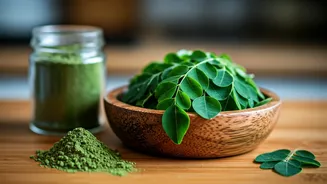
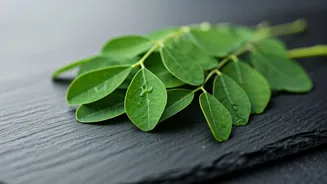
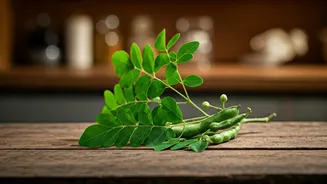
Before it was a trendy powder, moringa was just a tree. Specifically, *Moringa oleifera*, a fast-growing, drought-resistant tree native to the Himalayan foothills of India. For centuries, it has been a staple in parts of Asia and Africa, where it’s often
called the 'drumstick tree' (for its long seed pods) or 'horseradish tree' (for the taste of its roots). Nearly every part of the plant is edible and useful, from the leaves and pods to the seeds and flowers. In many cultures, it’s not a 'superfood' supplement; it’s just food—a regular, highly valued source of nutrition that people have relied on for generations to fend off malnutrition.
The Nutritional Powerhouse Claims
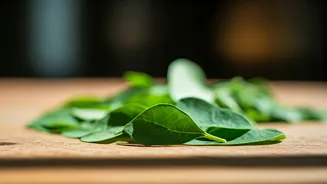
The hype around moringa is largely due to its incredibly dense nutritional profile, especially its leaves. When dried and powdered, the concentration of nutrients skyrockets. Gram for gram, moringa powder is packed with vitamins and minerals. It contains a significant amount of vitamin C, vitamin A, calcium, potassium, and iron. It's also a rare plant-based source of complete protein, containing all nine essential amino acids, which is why it has caught the attention of vegetarians and vegans. While comparisons like 'more vitamin C than an orange' are often based on comparing dried powder to a fresh fruit by weight, the core point stands: the leaves are exceptionally nutritious.
Traditional Roots vs. Modern Hype
In the West, moringa is a relatively new discovery, marketed in capsules and powders as a fix for everything from fatigue to inflammation. But in traditional medicine systems like Ayurveda, it has been used for centuries to address a wide range of ailments. Its long history of use gives it a credibility that many newer wellness fads lack. This isn't something invented in a lab last year; it's a plant with deep cultural and medicinal roots. The modern hype, however, often strips this context away, presenting moringa as a magical cure-all. The reality is more nuanced: its value lies in its role as a nutrient-dense food and a plant with potential therapeutic properties, not as a silver bullet.
What the Science Actually Says
This is where we separate fact from marketing. Scientific research into moringa is promising but still in early stages. Many studies have confirmed its high concentration of antioxidants—compounds that fight cell damage in the body. It also contains substances with anti-inflammatory properties, like isothiocyanates. Some small studies in humans have suggested it may help modestly lower blood sugar and cholesterol. However, it's crucial to note that many of the more dramatic health claims are based on test-tube or animal studies, which don't always translate to humans. So, while science supports the idea that moringa is a nutrient-rich plant with clear health-supportive potential, it’s not a proven cure for any disease. Think of it as a powerful booster for your overall diet, not a replacement for medicine.
How to Use It (If You're Curious)
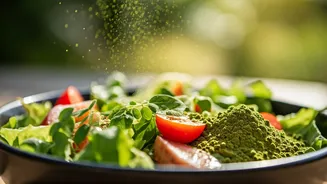
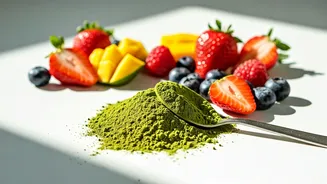
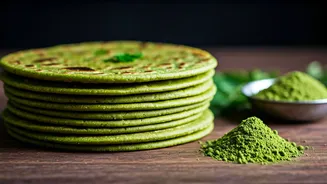
If you want to give moringa a try, the most common form you'll find is a fine green powder made from the dried leaves. It has a distinctively earthy, slightly bitter taste, similar to spinach or matcha. Because of this, it's best mixed into other foods rather than consumed on its own. A teaspoon or two is a good starting point. It blends well into smoothies, can be whisked into salad dressings, or stirred into soups and stews (add it at the end of cooking to preserve nutrients). You can also find it in capsule form or as a tea. When buying, look for products that are certified organic to ensure they are free from pesticides and heavy metals, which can be a concern with imported botanical powders.