




The Tyranny of the Tourist Trail
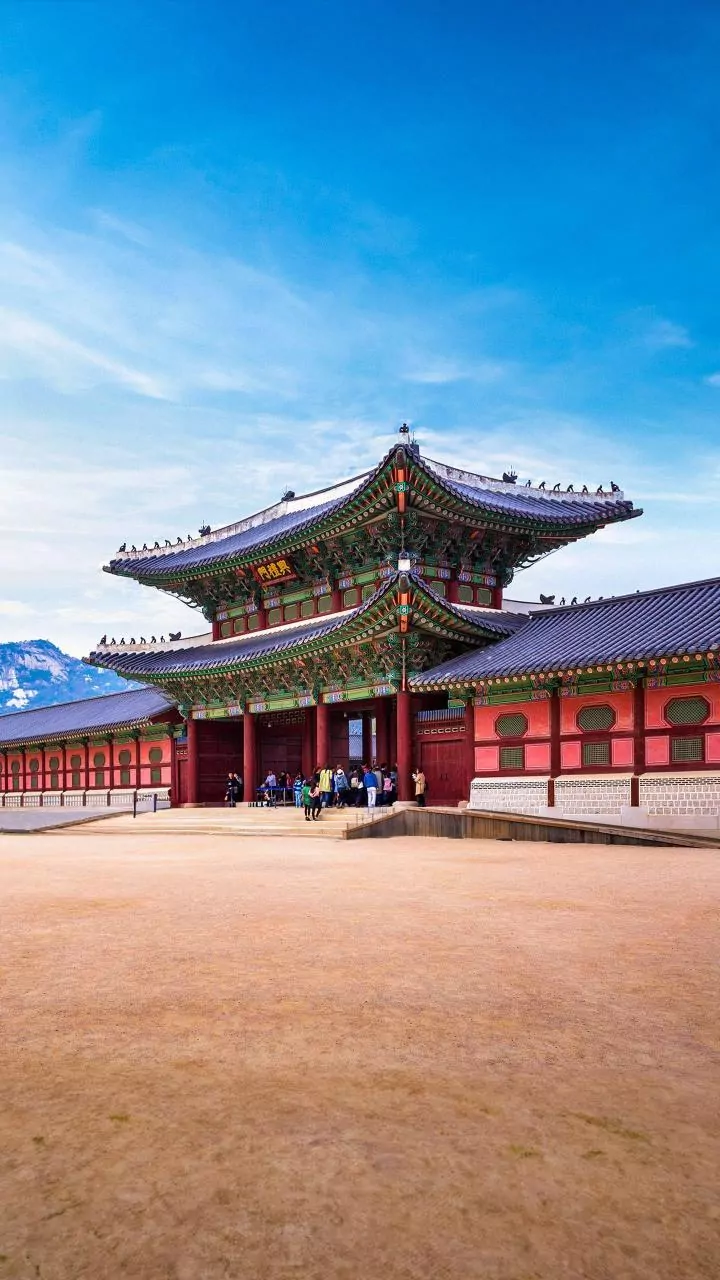
You know the scene because it’s the same in every major city. By 10 a.m., the main artery of Myeongdong is a pulsing river of shoppers, selfie sticks, and bewildered tour groups. At Gyeongbok Palace, the grandest of Seoul’s royal residences, you’re jostling
for a clear shot of the throne hall, your view obscured by a sea of brightly colored hanbok rentals. The travel blogs and guidebooks told you these were the essential stops, the non-negotiable pillars of a trip to Seoul. And they weren’t wrong, exactly. These places are famous for a reason. But this version of travel is often an exercise in consumption, not connection. You check the box, get the photo, and move on, propelled by a nagging fear of missing out. The experience becomes a blur of highlights, punctuated by the low-grade stress of navigating crowds. You see the sights, but you rarely feel the city’s actual pulse. It’s a loud, frantic, and ultimately hollow way to encounter a new culture, leaving you with a collection of images but little sense of the place itself.
The 7 AM Revelation
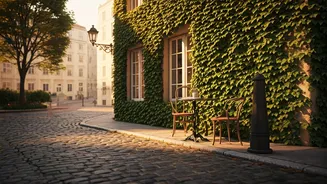
Now, imagine a different morning. The sun is still low, casting a soft, golden light over the city. You’re in a small, quiet café in a neighborhood like Yeonhui-dong or Seongsu-dong, away from the main tourist drags. The only other people here are locals starting their day. A university student pores over a textbook, a salaryman reads the news on his tablet, the barista methodically prepares a pour-over coffee. The air is filled with the scent of roasted beans and a gentle, studious silence.
Outside, the city is waking up, but it’s doing so at its own pace. An elderly couple walks their tiny dog. A shop owner sweeps the pavement in front of his store. There is no rush, no performance. This is not an attraction designed for you; it is simply life unfolding. This is the “quiet-morning mood.” It’s a state of grace found in the unassuming moments before the city puts on its public face. It’s a feeling of being a temporary part of the local rhythm, an observer welcomed by the city’s calm.
Trading Spectacle for Serenity
Choosing the quiet morning over the tourist chaos is a fundamental shift in travel philosophy. It’s about prioritizing atmosphere over agenda. Instead of asking “What should I see?” you start asking “How do I want to feel?” This approach reveals a different side of Korea, one that values subtlety, contemplation, and a deep appreciation for the small routines that give life its structure and meaning.
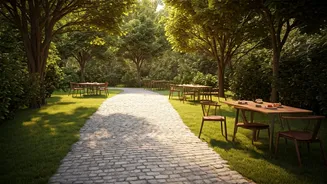
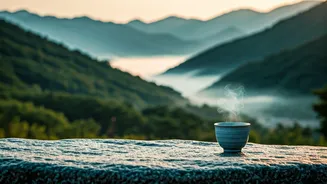
Think of the Buddhist temples scattered throughout the country. A midday visit is often a hectic affair. But arrive at dawn for the morning chants, and you’ll find a profound and soul-stirring peace. The same is true for Seoul’s parks. A weekend afternoon in Seoul Forest can be a social whirlwind, but a 7 a.m. stroll along its misty paths is a form of meditation. By seeking out these quiet moments, you’re not just avoiding crowds; you’re tapping into a deeper cultural current where reflection is valued as much as action.
How to Find Your Own Quiet Morning
Finding this experience doesn’t require a secret map. It simply requires a change in habits. The first step is the hardest: wake up early. Set your alarm for 6:30 a.m. and commit to being out the door before the tour buses start their engines. Skip the hotel buffet and find a local bakery or coffee shop in a residential area. Use Naver Maps (a local essential) to search for “카페” (cafe) in a neighborhood you’ve never heard of and just go.
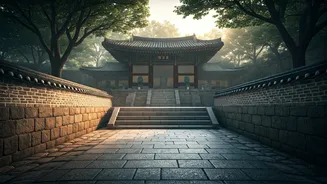
Visit a major sight right when it opens. Being one of the first ten people to walk through the gates of Changdeok Palace is an entirely different universe from being the five-hundredth. Take a walk along the Han River, where you’ll see cyclists, runners, and families enjoying the city’s most vital public space. Wander through a traditional market as vendors are setting up their stalls, not when they’re besieged by customers. The goal is to see the city as its residents do, during the hours they claim for themselves.