





A Return to Generational Wisdom
For many young, urban Indians, the concept of sustainability isn't a modern fad imported from the West; it's a return to the way their grandparents lived. Before the age of plastic and particleboard, Indian homes were built in harmony with the local climate
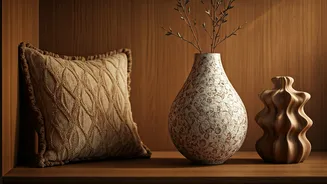
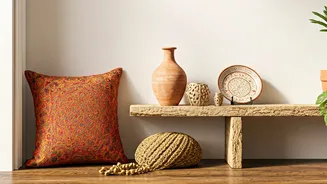
and environment. Walls were often coated in lime plaster (chuna), a natural coolant, and floors were made of polished red or black oxide, which is breathable and cool underfoot. Furniture was crafted from solid, local woods like teak or rosewood, built to last for generations, not just a few years. Today’s eco-conscious generation is rediscovering these time-tested materials. They are choosing terracotta pots, hand-woven jute rugs, and bamboo furniture not just because they are trendy, but because they represent a form of inherent, low-impact wisdom. This isn't about adopting a new green philosophy; it's about reclaiming an old one that was temporarily forgotten in the rush toward modernization.
Crafting a Modern Indian Identity
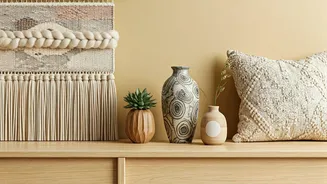
After decades of aspiring to Western design ideals seen in magazines and media, a significant cultural shift is underway. Young Indians, globally connected but fiercely proud of their heritage, are using their homes as a canvas to express a unique, contemporary Indian identity. This means moving beyond the generic and embracing the specific. Instead of a minimalist Scandinavian chair, they might opt for a planter made by a local potter. Instead of mass-produced polyester cushions, they seek out hand-block printed cotton from Rajasthan or rich Khadi textiles, a symbol of India's independence movement. This is a deliberate choice to support local artisans and preserve craft traditions that are at risk of disappearing. By filling their homes with these items, they are making a statement: being modern doesn’t mean erasing your roots. It means integrating them in a way that feels authentic and personal in a globalized world.
The Urban Wellness Connection
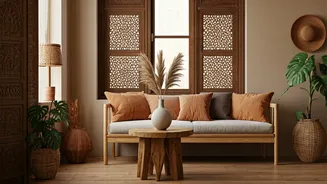
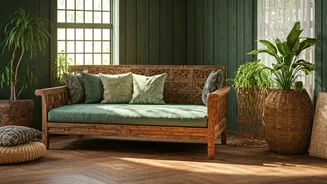
Living in some of the world's most densely populated and polluted cities has made wellness a top priority for India's youth. The home is no longer just a place to sleep; it’s a sanctuary. Sustainable design directly feeds this need. Natural materials like wood, stone, and cotton are known to improve indoor air quality and have a calming, biophilic effect that connects inhabitants to nature, even in a high-rise apartment. Filling a space with living plants, maximizing natural light, and using non-toxic paints and finishes are all part of this holistic approach. The appeal of a sustainable interior is therefore not just ecological but deeply psychological. It promises a healthier, more serene environment, offering a much-needed respite from the sensory overload of city life. This focus on personal well-being makes the choice for a 'green' home feel less like a sacrifice and more like an act of self-care.
Conscious Consumerism Takes Hold
Unlike previous generations, Indian millennials and Gen Z are hyper-aware of the story behind the products they buy. Armed with information from social media and a global understanding of environmental crises, they are asking critical questions. Who made this? What is it made of? What will happen to it when I'm done with it? This has fueled a rejection of 'fast furniture'—cheap, disposable items with questionable supply chains and a heavy carbon footprint. Instead, they are championing a circular economy. They are drawn to brands that are transparent about their sourcing, that use reclaimed wood, recycled materials, and provide fair wages to their craftspeople. This conscious consumerism is a powerful driver. It’s a vote with their wallets for a more ethical and responsible marketplace, turning the simple act of decorating a home into a meaningful form of activism.