







The New Golden Hour
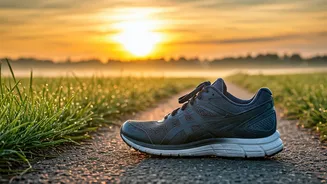
In major Indian cities from Delhi to Mumbai, the hours between 5 a.m. and 7 a.m. have become the new prime time. Parks that lie desolate and baked under the oppressive afternoon sun are, in the pre-dawn cool, teeming with life. Groups of runners weave
along pathways, cyclists in neon vests claim the still-empty roads, and dozens of yoga mats unfurl in unison on patches of dew-kissed grass. This isn't just a handful of early birds; it's a mass movement, a societal shift in the daily rhythm of life. The traditional “golden hour” for photographers at sunset has been replaced by a new one at sunrise, a frantic, joyful window of opportunity before the heat descends like a physical weight, rendering normal life impossible.
A Calculated Response to a Climate Crisis
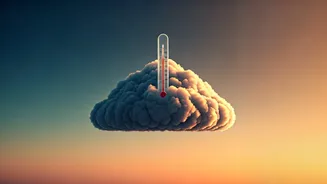
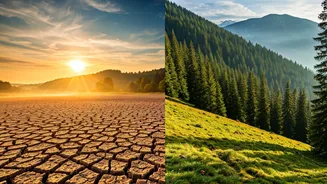
This trend isn't driven by a fleeting wellness fad. It’s a strategic and necessary adaptation to an escalating climate reality. Recent Indian summers have been relentlessly brutal, with heatwaves pushing temperatures well past 110°F (43°C) for weeks on end. The India Meteorological Department has issued continuous heat warnings, and the concept of a “wet-bulb temperature”—a deadly combination of heat and humidity that prevents sweat from evaporating—has entered common conversation. For millions, staying active is non-negotiable for physical and mental health, but doing so after 8 a.m. becomes a dangerous gamble with heatstroke and exhaustion. The morning workout isn't a choice; it's the only choice.
More Than Just a Workout
What’s unfolding in India’s parks and public spaces is more than just exercise. It’s a powerful act of community building and psychological resilience. In a season that can foster isolation and what some call “heat depression,” these early morning gatherings have become vital social hubs. Strangers become running partners, and yoga groups become support networks. It’s a collective reclaiming of public space and personal well-being. This has also sparked a micro-economy. Roadside vendors selling fresh coconut water, fruit juices, and protein-rich breakfasts do brisk business by 6:30 a.m. It’s a vibrant ecosystem built around the shared goal of beating the heat and starting the day with a sense of accomplishment before retreating indoors for the long, scorching hours ahead.
How a Nation Is Adapting
The adaptation extends beyond public parks. Gyms across the country have adjusted their hours, many now opening their doors at 5 a.m. to accommodate the surge. Fitness trainers report their schedules are now packed from sunrise to mid-morning, with a long, quiet break in the afternoon and a potential second wave late in the evening. For those who can't or prefer not to go out, the digital fitness world has also pivoted. Online yoga, HIIT, and Zumba classes see their highest attendance in early morning slots. This shift demonstrates a remarkable flexibility, proving that routines aren't set in stone. They are living things, capable of bending in response to environmental pressure, allowing people to maintain a sense of normalcy and control when the world outside feels overwhelmingly hostile.