
The Price of Admission
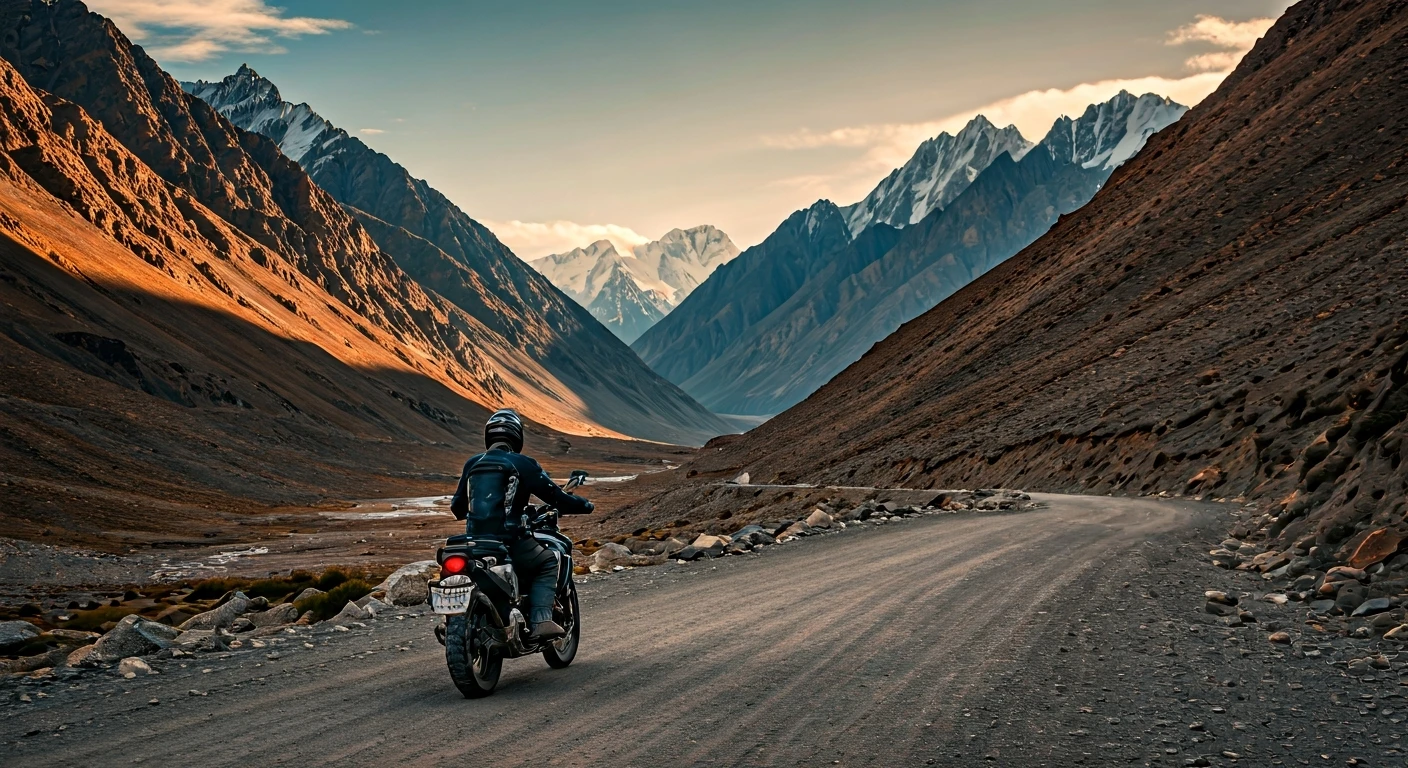
Getting to Spiti Valley is less a drive and more a rite of passage. In June, the journey is the story. This is the month when the high-altitude passes, sealed by snow for eight months, grudgingly begin to open. The trip from Manali involves conquering
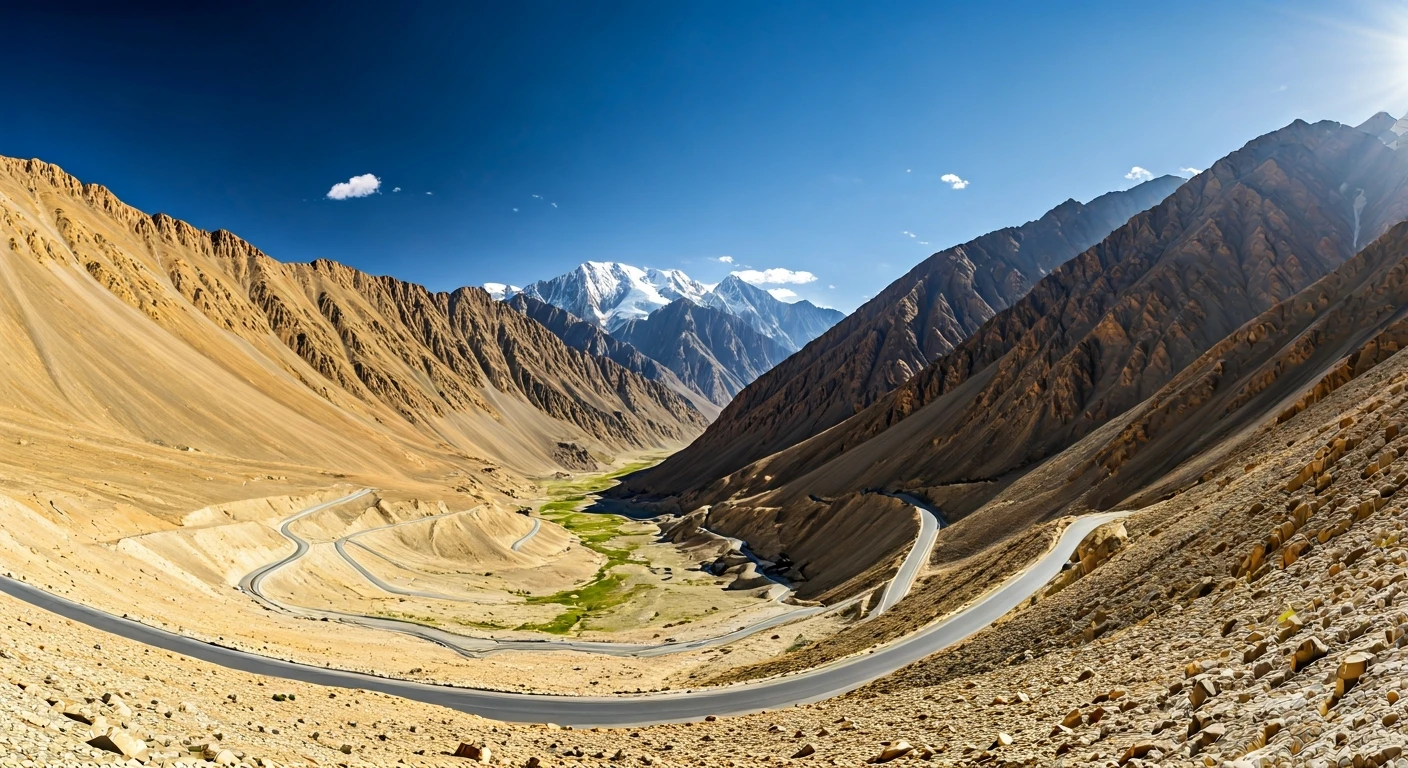
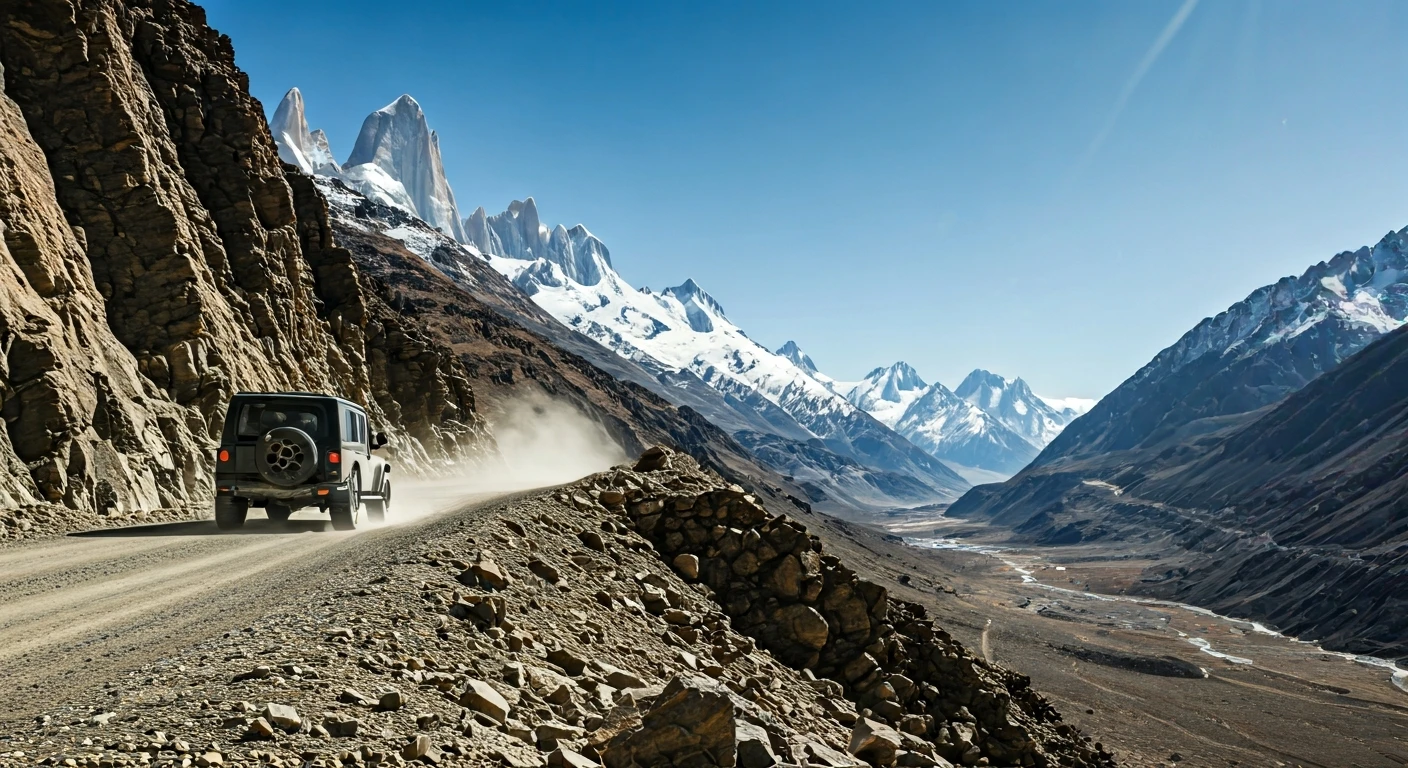
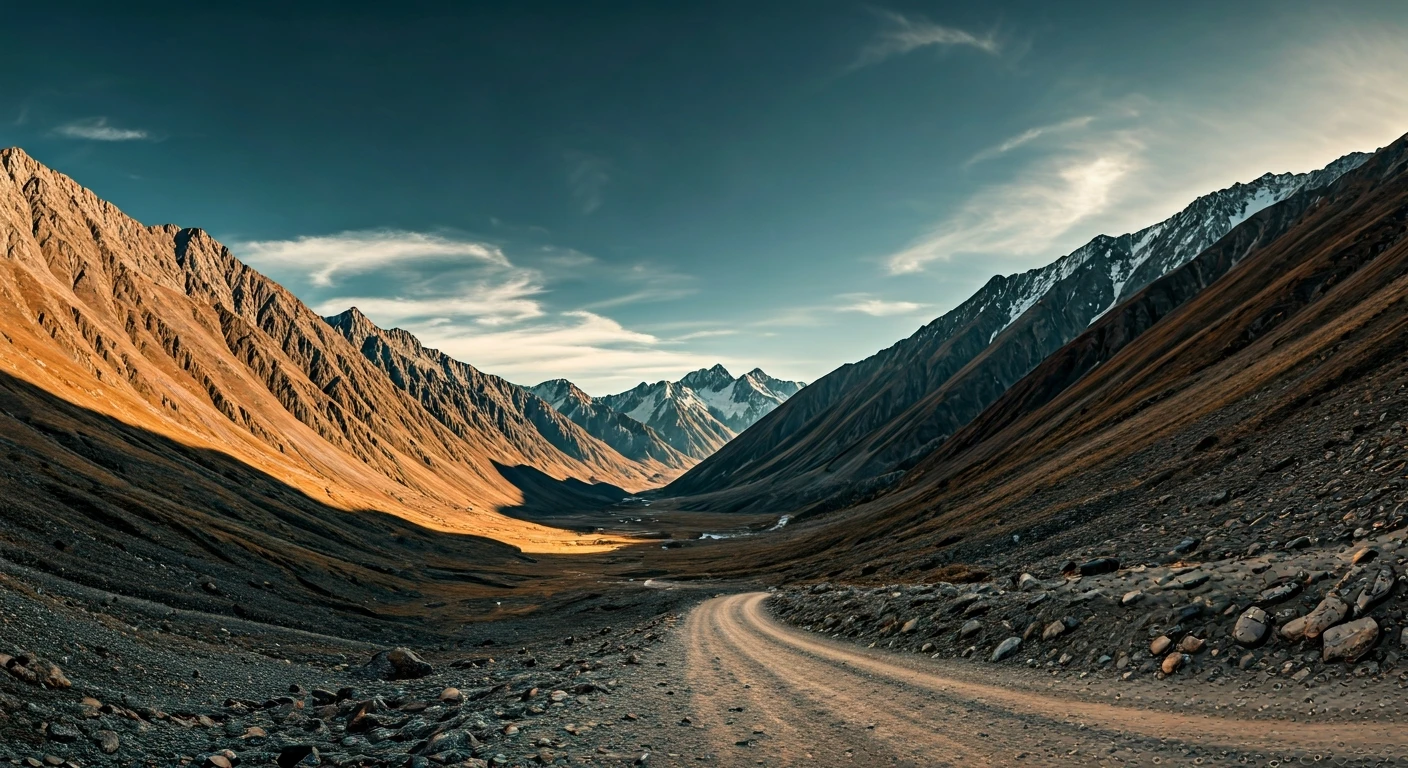
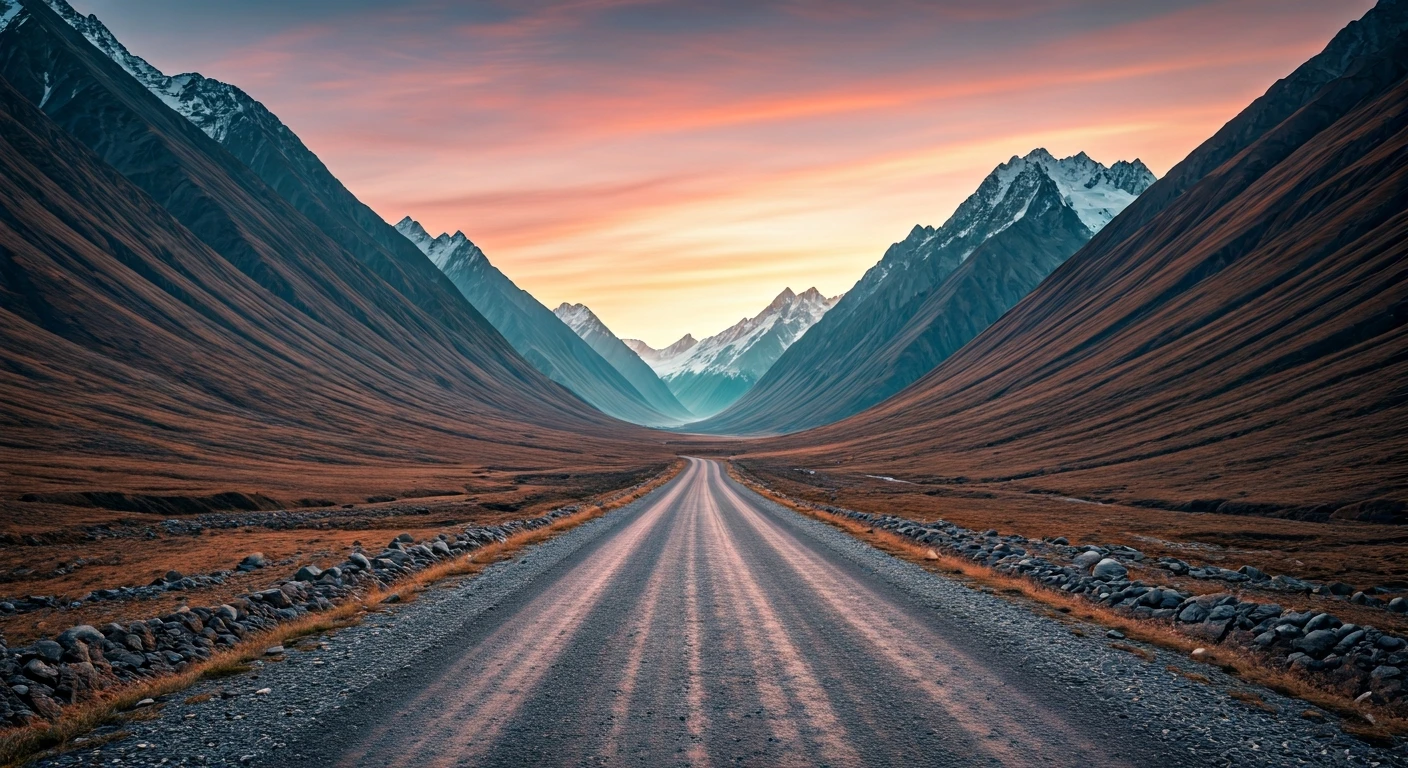
the infamous Rohtang Pass and then the formidable Kunzum La, standing at over 15,000 feet. The road is a mercurial ribbon of asphalt, gravel, and mud. You’ll navigate glacial melts that turn stretches of road into shallow rivers and drive alongside sheer drops that are both terrifying and exhilarating. This is the “rugged” part of the bargain, a physical toll that filters out the casual tourist. Your bones will rattle, your lungs will feel the lack of oxygen, and you’ll spend hours staring at the back of a truck navigating a hairpin bend. But this journey serves a purpose: it recalibrates your senses and prepares you for the otherworldliness of the valley itself.
A Landscape in Transition
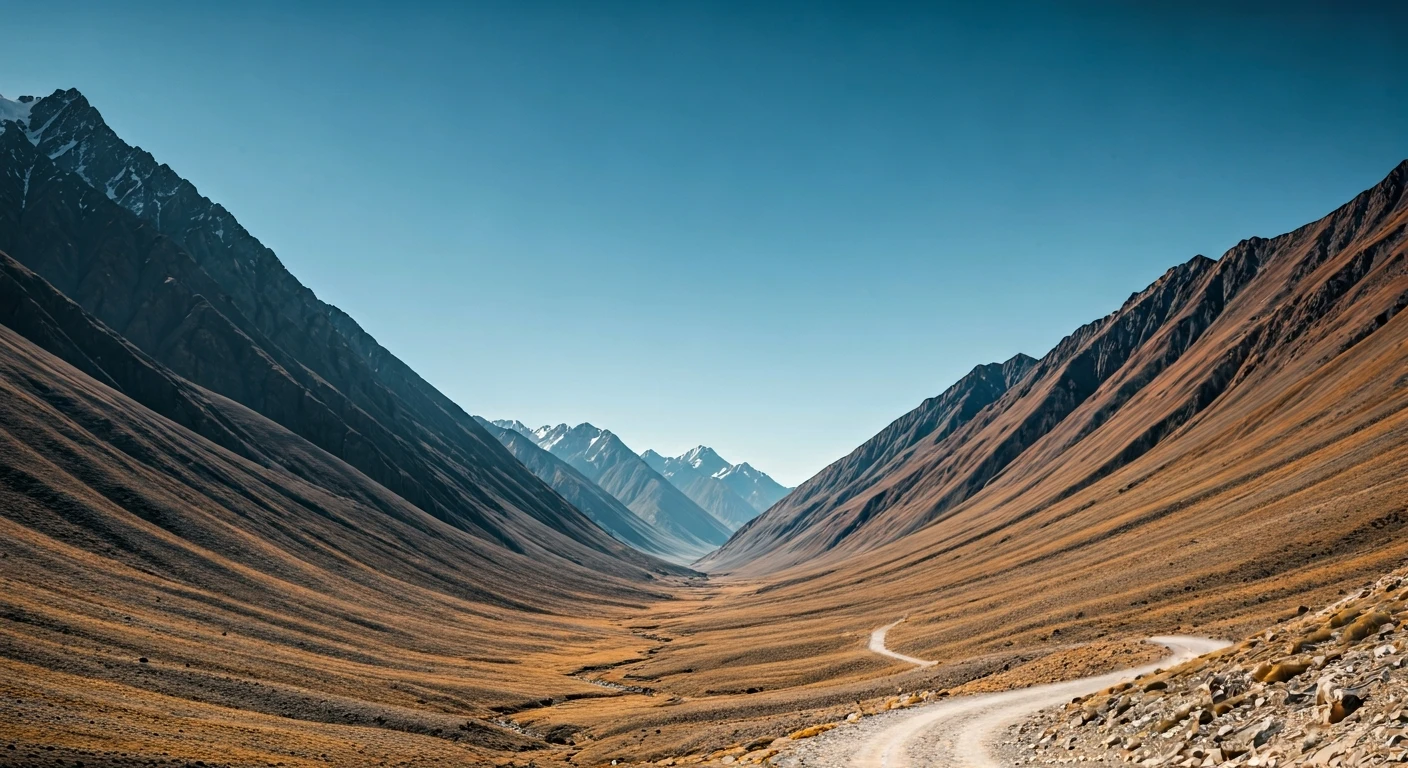
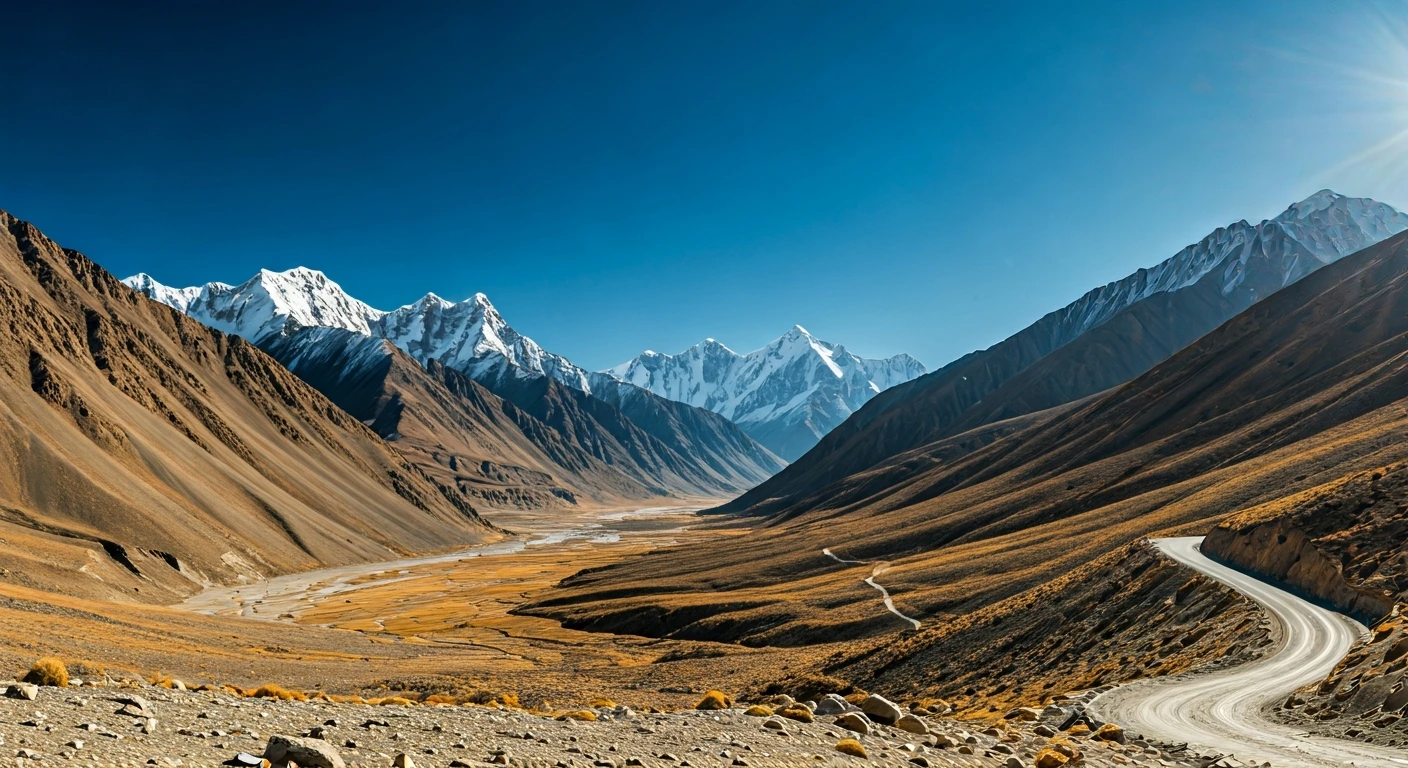
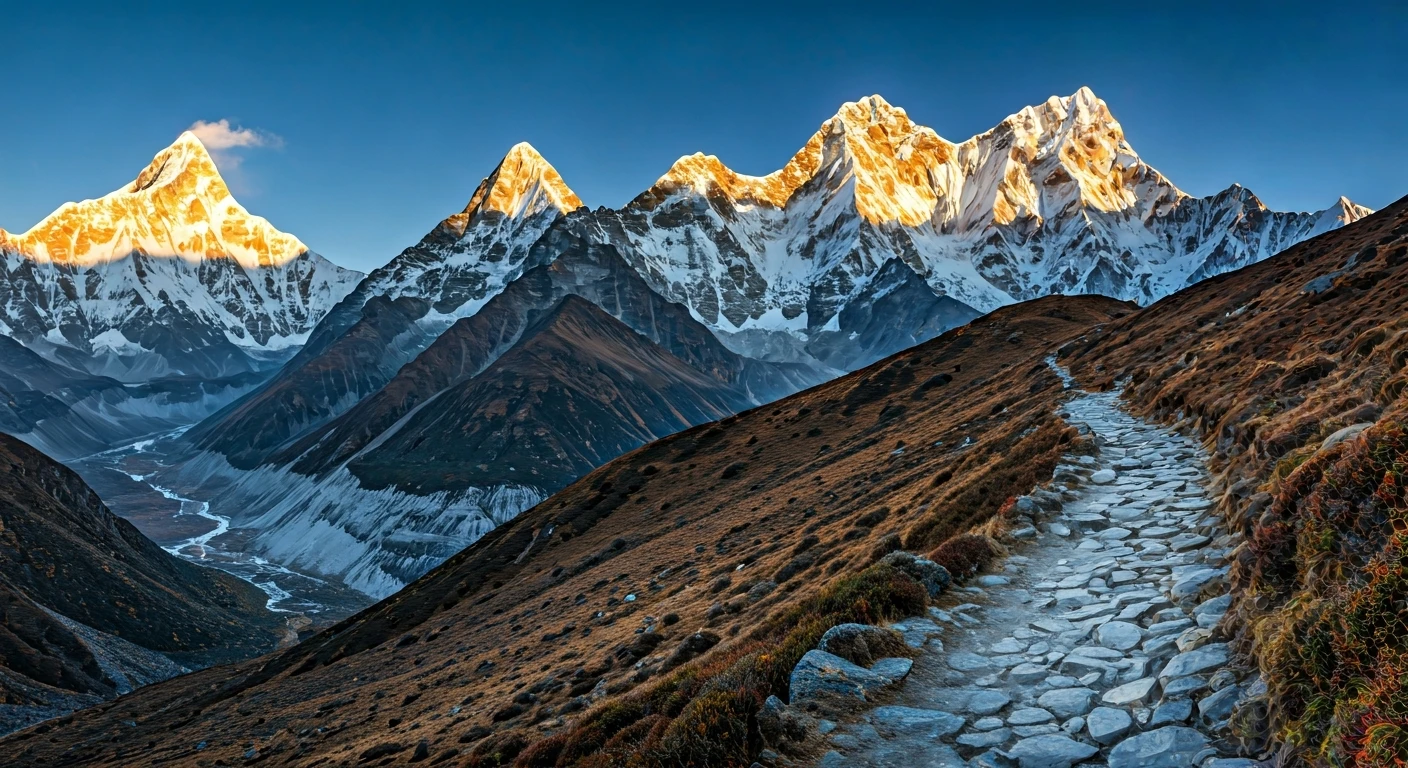
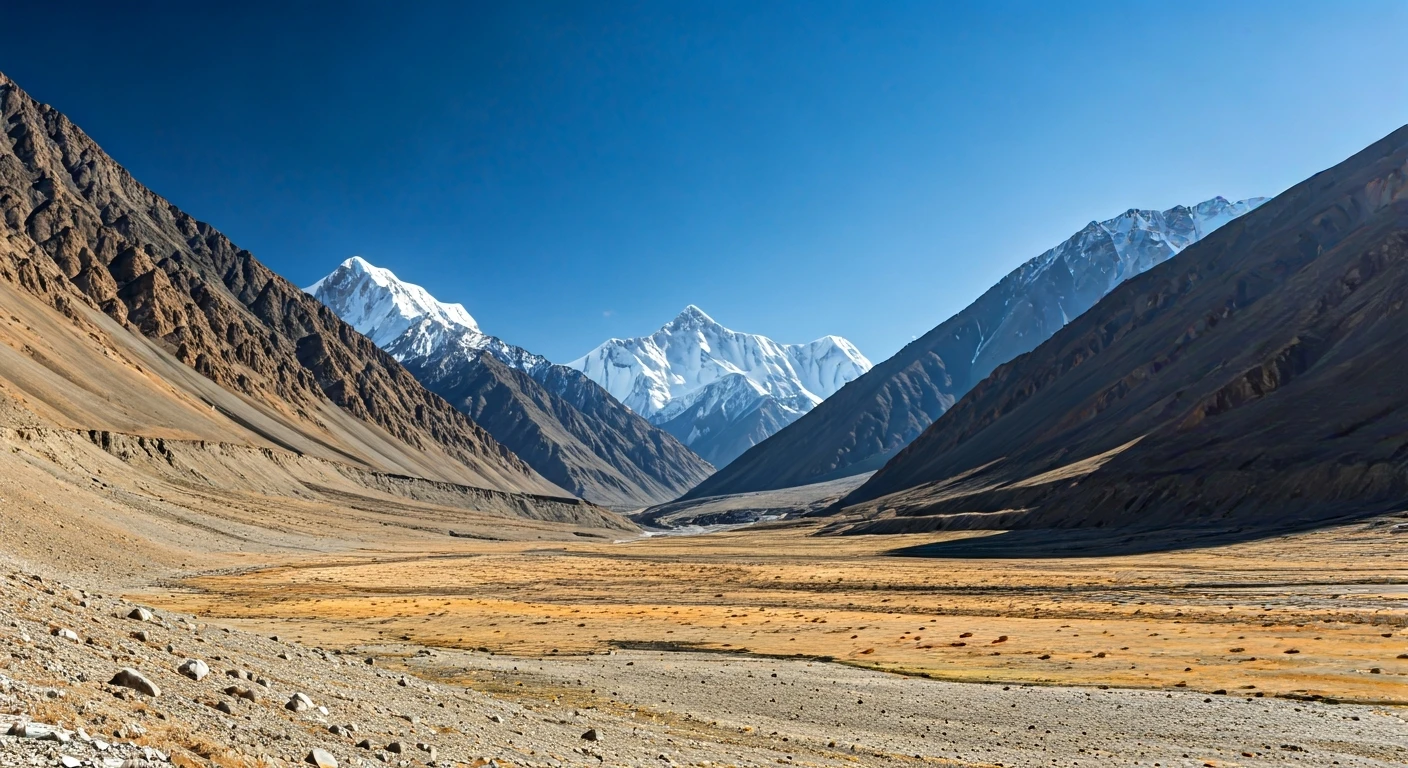
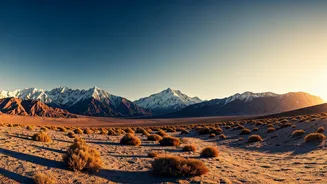
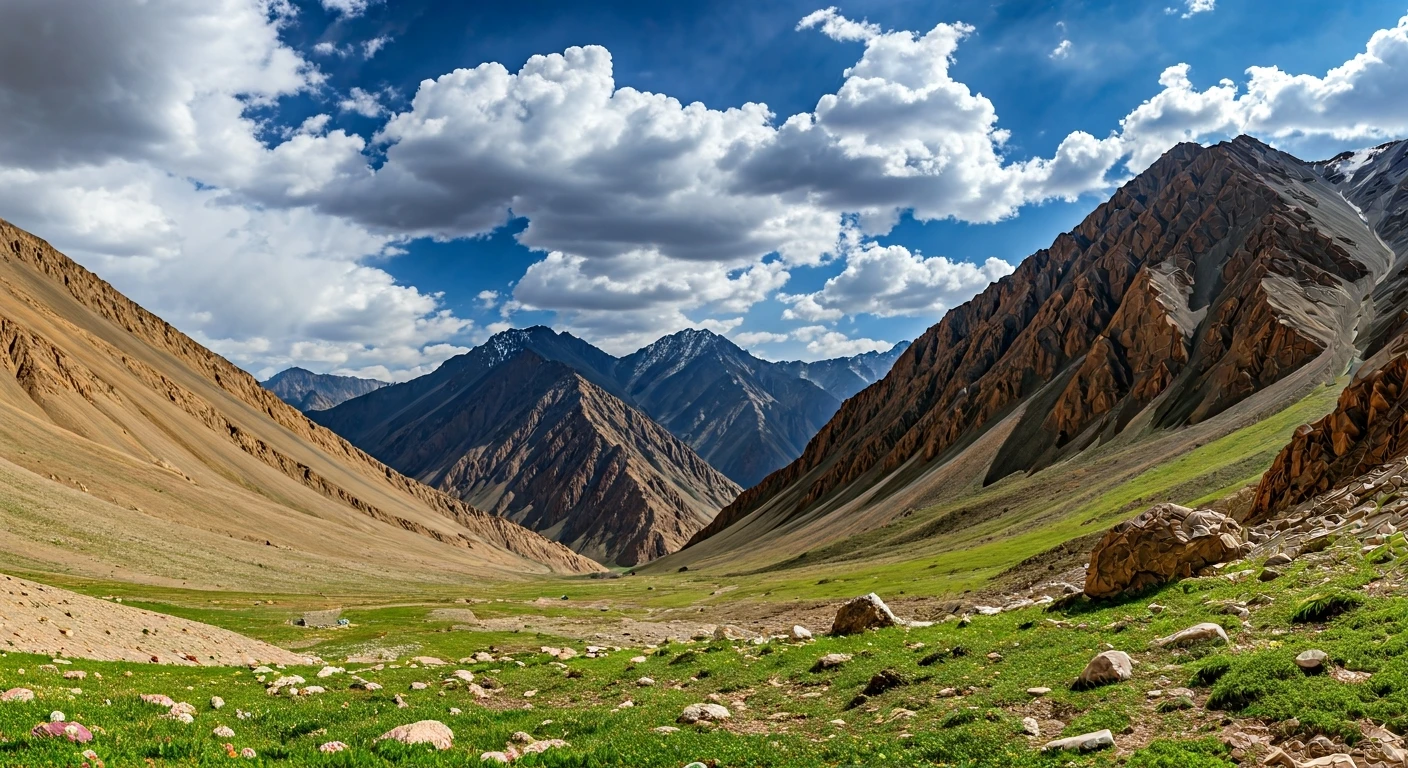
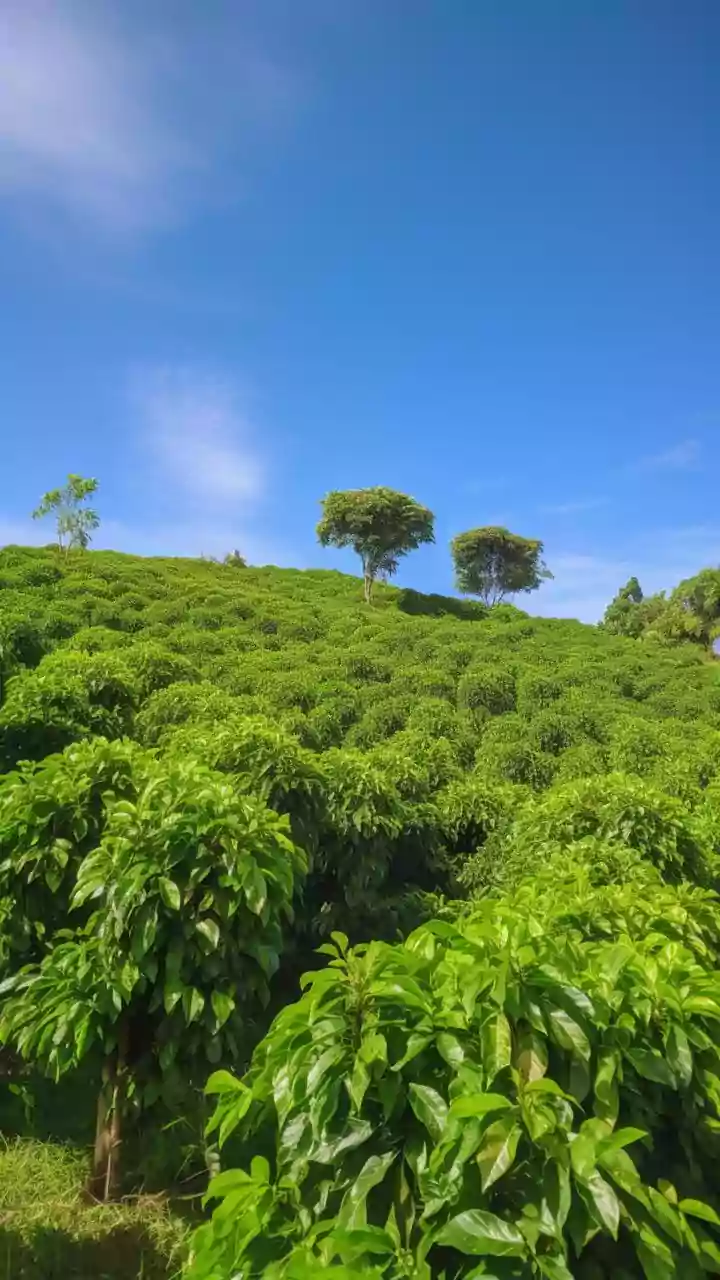
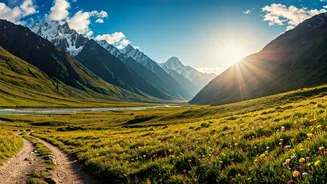
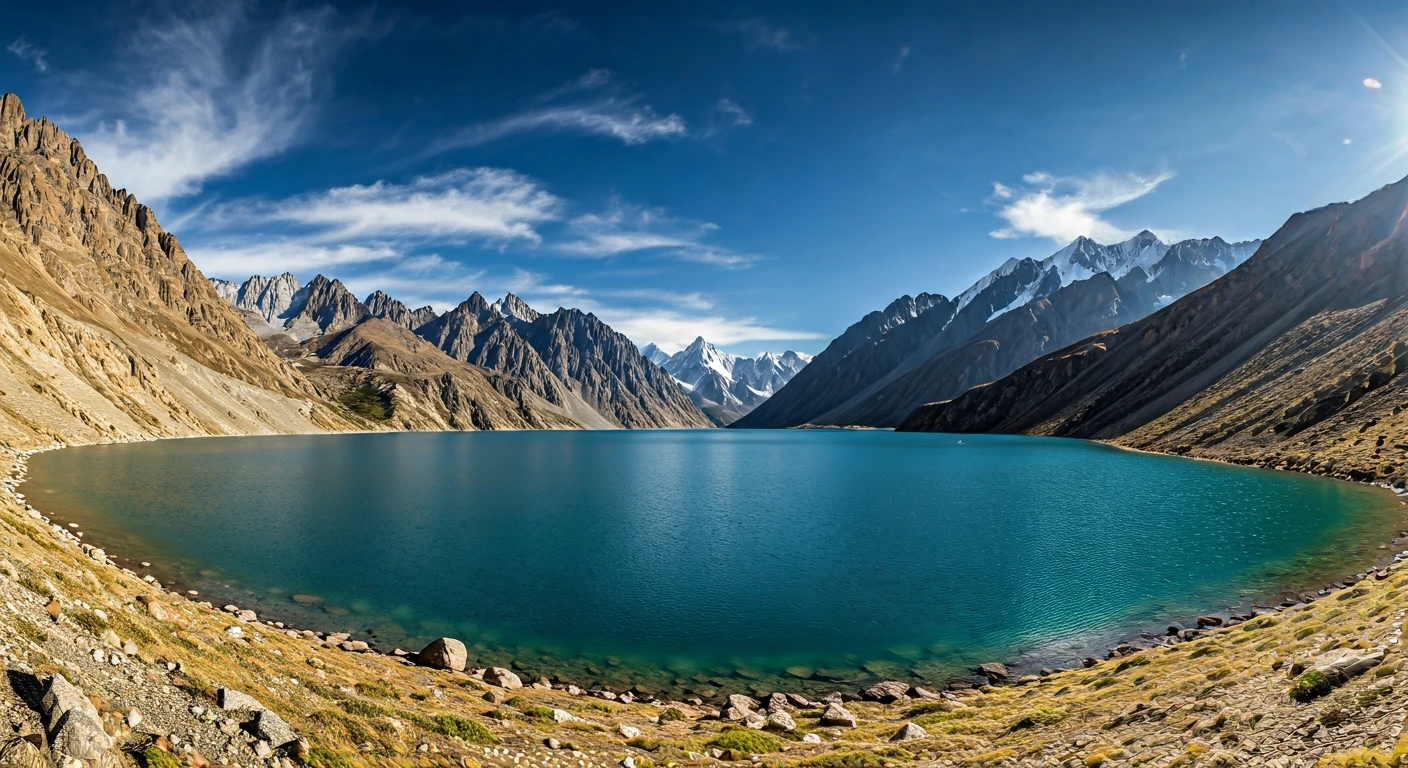
Once you descend from Kunzum Pass into the valley, the world changes. Spiti in June is a painter’s canvas caught mid-stroke. The dominant colors are brown and grey—the shades of a high-altitude desert. But look closer, and you’ll see the signs of life returning. Patches of impossible green appear in the valleys around the Spiti River, where farmers are planting their brief summer crops of barley and peas. The river itself, fed by melting glaciers, is a brilliant turquoise that cuts through the stark landscape. Snow still clings stubbornly to the highest peaks, creating a dramatic black-and-white panorama against a sky so intensely blue it feels artificial. The beauty of Spiti isn’t a gentle, pastoral charm; it’s a severe, powerful beauty born of extremes. The sun is harsh, the wind is relentless, and the scale of the mountains makes you feel profoundly small and insignificant, in the best possible way.
Monasteries in the Sky
The human spirit is as resilient as the landscape, and nowhere is this more evident than in Spiti’s ancient monasteries. Clinging to cliffs and perched atop hills, these Buddhist gompas seem to grow organically from the rock. The iconic Key Monastery, a jumble of white-washed buildings stacked on a conical hill, looks like a fortress guarding the valley. Inside, the air is thick with the scent of burning juniper and butter lamps. Visiting in June, you might find young monks in their maroon robes playing cricket in a dusty courtyard, a vibrant scene of modern life against a backdrop of centuries-old murals. At Tabo Monastery, called the “Ajanta of the Himalayas,” you can step into dark, mud-walled rooms to see exquisite frescoes that have survived for over a thousand years. These monasteries are not just tourist sites; they are living centers of faith that provide a spiritual anchor in this remote land.
The Quiet Before the Rush
June offers a unique window into Spitian life. The valley is waking up after a long, isolated winter. In the main town of Kaza, shops and cafes are just reopening, their owners greeting the first wave of travelers with genuine warmth. You can wander through small villages like Langza, famous for its giant Buddha statue overlooking the valley, or Hikkim, home to the world’s highest post office, and feel a quiet authenticity. The full summer tourist rush of July and August has not yet arrived. You have the space to breathe, to talk with local people, and to experience the rhythm of a place where time is measured in seasons, not hours. It’s a moment of calm, a shared sense of emergence, as both residents and early visitors shake off the cold and welcome the sun.