



What Exactly Is a Haveli?
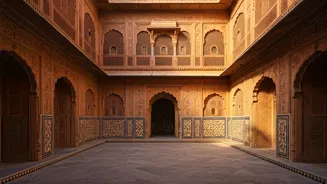
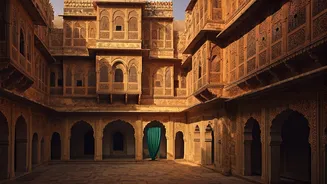
Before they were boutique hotels, havelis were the opulent private mansions of wealthy merchants and nobles in Rajasthan and other parts of India. The word itself, derived from Persian, means “enclosed space.” Architecturally, they are defined by their
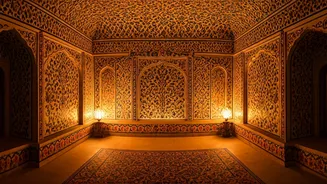
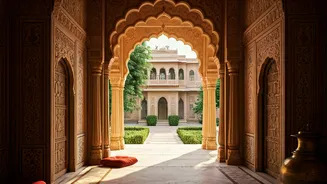
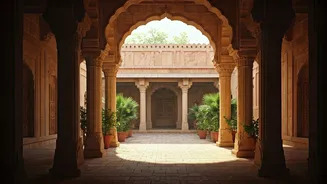
grand courtyards, which acted as the social and climatic heart of the home, providing shade, ventilation, and a private space for family life away from the public gaze. These multi-story structures were built as elaborate showcases of status, adorned with intricate frescoes (wall paintings), jharokhas (ornate enclosed balconies), and delicate jali (latticed stone screens) that filtered sunlight into geometric patterns on the floor. For centuries, they were family homes, echoing with generations of history, until changing fortunes and the cost of upkeep left many falling into disrepair.
The Art of Thoughtful Restoration
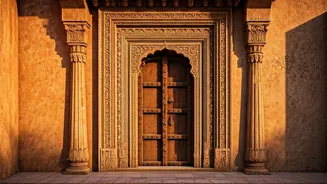
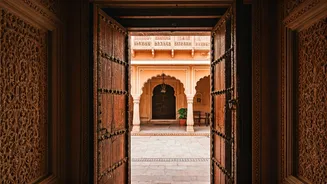
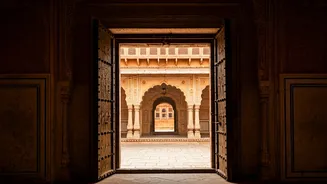
The travel trend transforming Jaipur isn’t about building new hotels that imitate the past; it’s about breathing life back into the real thing. A new generation of hoteliers, often descendants of the original families, is painstakingly restoring these architectural gems. This is a delicate balancing act. The goal is to preserve the soul of the building—the faded frescoes telling tales of mythology, the worn marble floors, the heavy, iron-studded doors—while seamlessly integrating the amenities that modern luxury travelers expect. It involves hiding air-conditioning units so they don’t mar a 200-year-old facade, running modern plumbing through thick stone walls, and ensuring high-speed Wi-Fi works in a building designed centuries before the internet was even a dream. The result is not a museum piece but a living, breathing space where history feels immediate and accessible.
An Experience Beyond the Hotel Room
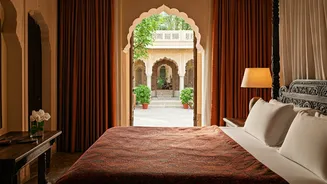
Staying in a haveli is fundamentally different from staying in a conventional hotel. The experience is the destination. Instead of a sterile lobby, you might be greeted in a courtyard filled with flowering plants and the scent of jasmine. Your room isn't a standardized box but a unique space with its own character, perhaps with an arched alcove for a sitting area or original stained-glass windows. The scale is intimate. With fewer rooms than a large hotel, the service is often deeply personal. You might share stories with the owner over morning chai or get a cooking lesson from the family chef. Days can be spent reading in a quiet veranda, discovering hidden staircases, or simply watching the play of light through the jali screens. It’s a slower, more immersive form of travel that connects you directly to the city’s heritage.
Old World Charm, Modern Comforts
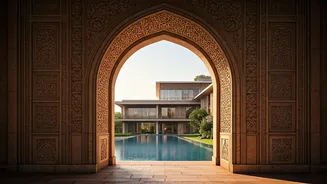
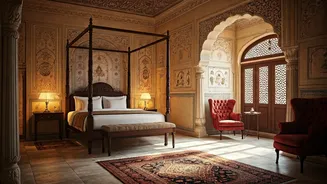
The magic of the haveli hotel lies in this beautiful contradiction. You are sleeping within walls that have stood for centuries, yet you are doing so in complete comfort. The “premium” aspect isn’t just about thread count or designer toiletries; it’s about the richness of the environment. You might find a hand-painted mural of Krishna above a plush, king-sized bed. A sleek, contemporary bathroom with a rain shower might be tucked away behind an antique wooden door. The swimming pool is likely set within a historic walled garden, not on a rooftop with a generic view. This blend is what redefines luxury. It’s not about erasing the past to make way for the new, but about letting the two coexist, creating a stay that is both comfortable and culturally profound.