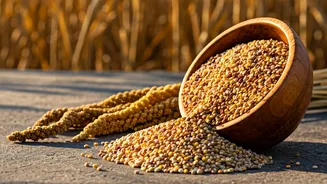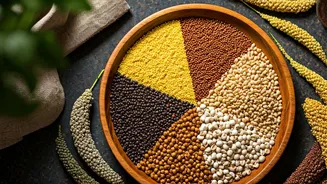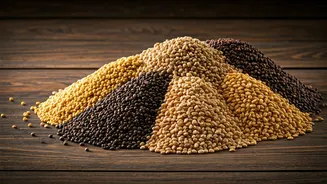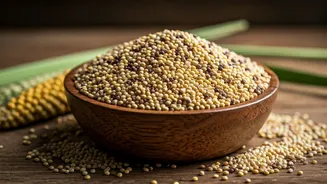


So, What Exactly Are Millets?
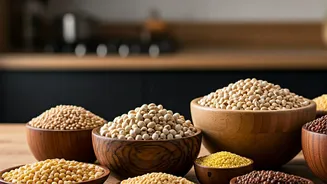
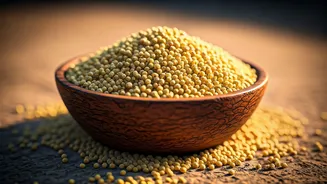
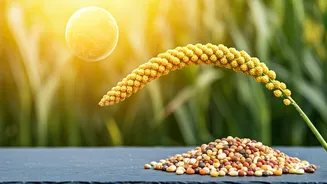
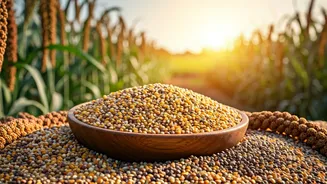
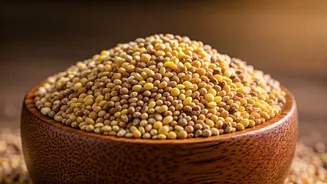
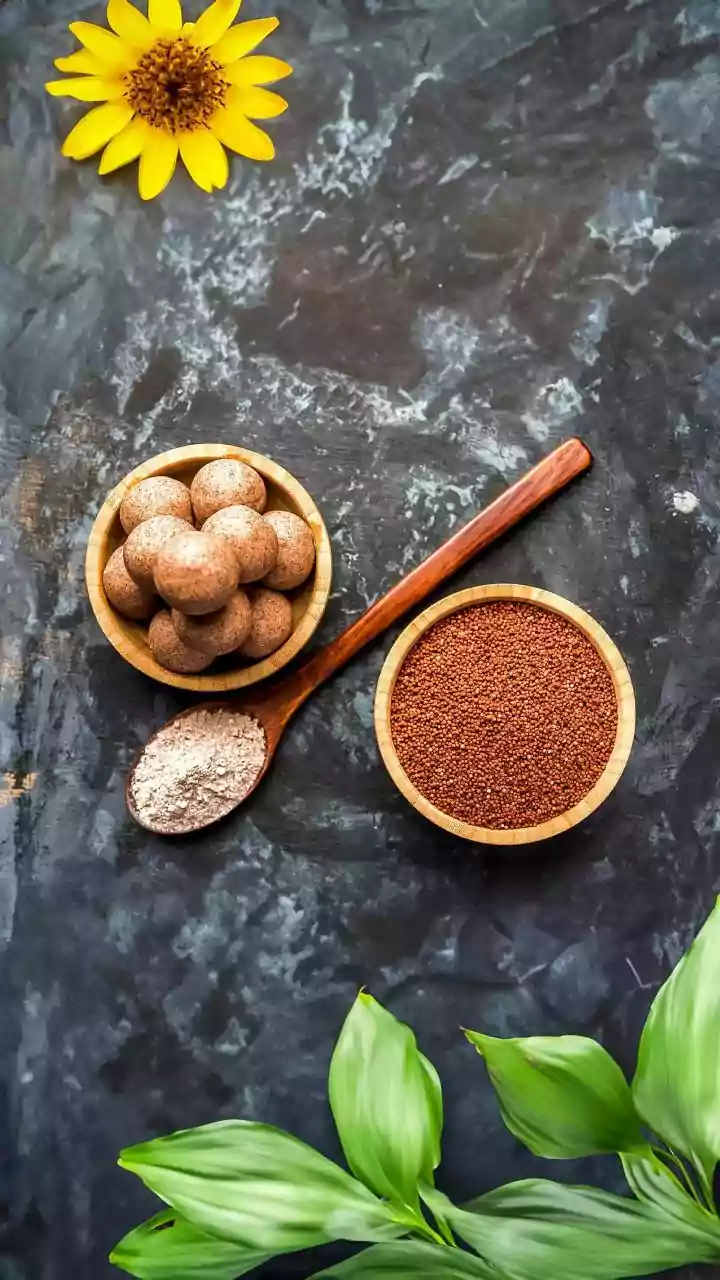
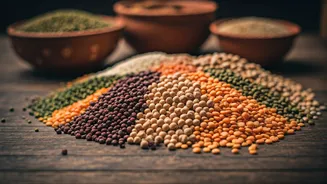
If the word “millet” makes you think of birdseed, you’re not entirely wrong—but you’re missing the bigger picture. Millet isn't a single grain; it's a category of small-seeded grasses that have been a staple food for civilizations across Africa and Asia
for thousands of years. Think of it like the term “squash,” which covers everything from zucchini to pumpkins. The most common varieties you might find in a U.S. store are proso, foxtail, and pearl millet. For years, quinoa has been the go-to “ancient grain” for health-conscious Americans. Millets are poised to be the next star, and for good reason. They are naturally gluten-free and boast a solid nutritional profile, offering fiber, protein, and essential minerals like magnesium and iron. But unlike some health foods that require a complete culinary reset, millets have a mild, slightly nutty or corn-like flavor that makes them incredibly adaptable. They don't demand the spotlight; they support the flavors you already enjoy.
A Climate-Smart Pantry Staple
The real story behind millet’s comeback is sustainability. In an era of climate change, drought, and concerns about industrial agriculture, millets are what agricultural scientists call “climate-smart.” These grains are exceptionally hardy and resilient. Many varieties are drought-tolerant, requiring significantly less water than rice or wheat. They can thrive in poor soil conditions without the need for heavy chemical fertilizers, making them a lifeline for small-scale farmers in arid regions.
This isn't just a benefit for faraway farms. Choosing millets is a small but meaningful way for consumers to support a more resilient food system. By diversifying our own diets, we encourage agricultural biodiversity, which is crucial for planetary health. While a single person’s grocery choices won’t solve the climate crisis, shifting demand toward less resource-intensive crops sends a powerful market signal. Millets are a perfect example of a food that works with nature, not against it.
Beyond 'Healthy'—Making It Delicious
Let’s be honest: for a food to become a staple, it has to taste good. The best thing about millet is its versatility. It can be fluffy and separate like couscous, or creamy and comforting like polenta or grits, all depending on how you cook it. This culinary flexibility is its greatest strength.
To make it fluffy, you can toast the dry grains in a pan for a few minutes before adding liquid (a 1:2 ratio of millet to water or broth is a good start). This brings out its nutty aroma and helps keep the grains distinct. Simmer, covered, for about 15-20 minutes, then let it steam off the heat. For a creamy texture, simply use more liquid (up to a 1:4 ratio) and stir it occasionally as it cooks, much like you would for risotto or porridge. This chameleon-like quality allows it to disappear seamlessly into dishes where its texture and mild flavor are assets, not distractions.
Easy Swaps for Your Favorite Meals
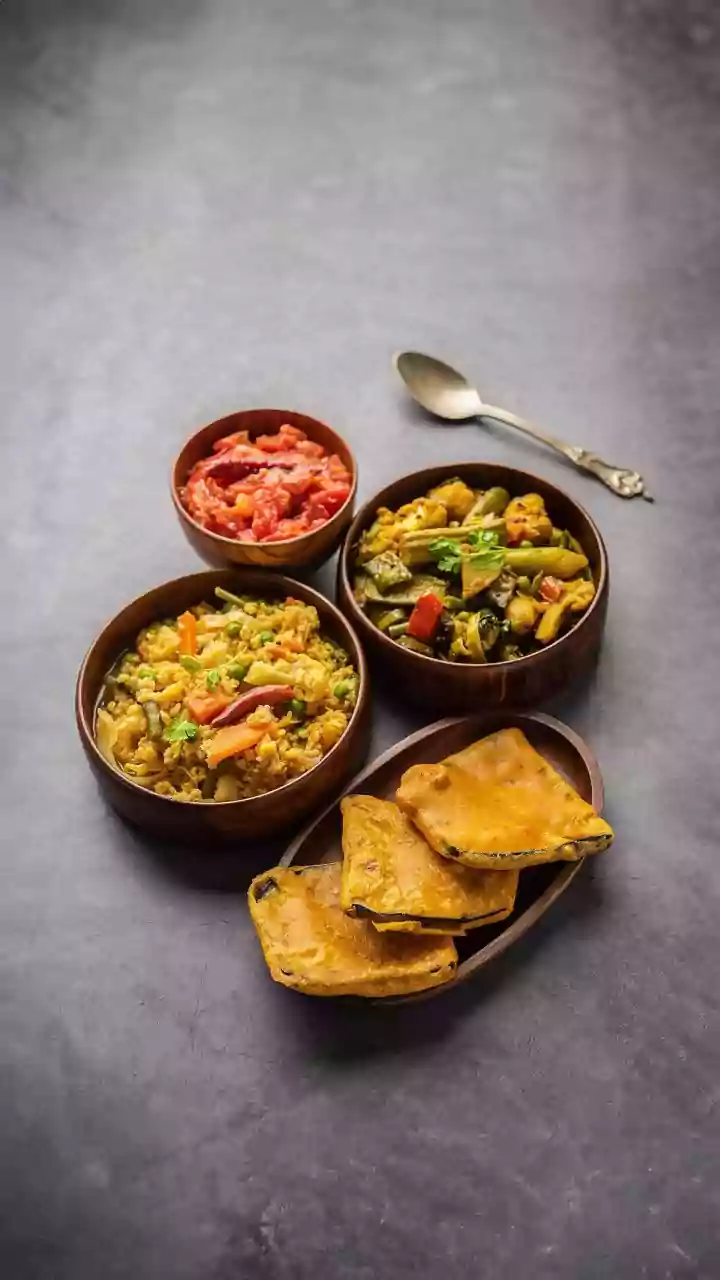
You don't need new, complicated recipes to start cooking with millet. The easiest way to begin is by using it as a one-for-one substitute in meals you already make.
- **Breakfast Porridge:** Instead of oatmeal, simmer millet with milk or water, a dash of cinnamon, and a little maple syrup for a creamy, satisfying hot cereal. Top with berries and nuts.
- **Grain Bowls:** Use fluffy millet as the base for a lunch bowl instead of quinoa or brown rice. Its neutral taste pairs well with any combination of roasted vegetables, proteins, and dressings.
- **A Simple Side:** Serve toasted, fluffy millet as a side dish with stews, curries, or roasted chicken, just as you would rice or couscous.
- **Savory 'Polenta':** Cook millet until creamy and stir in some parmesan cheese, salt, and pepper for a simple, gluten-free alternative to corn grits or polenta. Serve it as a base for braised meats or roasted mushrooms.