



The Seductive Promise of the Shortcut
Let’s be honest: the appeal of a weight loss shortcut is immense. Whether it’s a new class of medications, a punishingly restrictive cleanse, or a too-good-to-be-true gadget, the promise is always the same: maximum results with minimum effort. In a culture
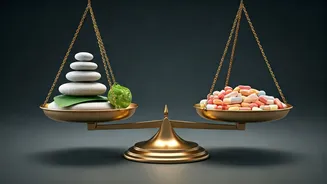
obsessed with optimization and life hacks, bypassing the grind feels like a win. We see celebrities suddenly slim down and hear whispers of a 'game-changing' new method, and it’s easy to feel like you’re a fool for still counting calories and showing up for your morning run. These shortcuts offer a tantalizing deal: you can have the destination without the journey. But this framing misses a crucial truth. Weight management isn't a destination you arrive at; it's a dynamic state you maintain. Shortcuts, by their very nature, often fail to equip you with the skills, habits, and mental fortitude required for that maintenance. They may change your body, but they don't necessarily change your relationship with food, movement, or your own self-discipline.
The Grind Builds More Than Muscle
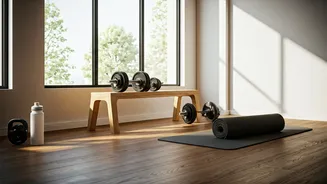
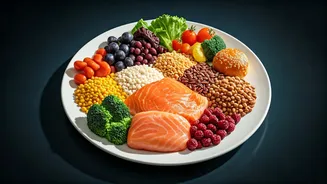
The 'shortcut-free' approach isn’t about martyrdom or a puritanical belief in suffering. It's about recognizing that the process is where the real transformation happens. Every time you choose a healthy meal over a convenient one, you’re casting a vote for the person you want to be. Every workout you complete when you’d rather be on the couch builds a reserve of discipline that spills over into other areas of your life. This is the unsexy but profound truth of sustainable change. Learning to cook nutritious food, understanding how your body responds to different exercises, mastering the art of mindful eating, and getting enough sleep—these aren't obstacles on the way to weight loss. They *are* the way. This journey teaches you self-reliance. You learn what your triggers are, how to manage stress without turning to food, and how to listen to your body’s signals of hunger and fullness. A pill can't teach you that. A 10-day detox won't instill that wisdom.
Why the Process Is the 'Healthier' Part
The health benefits of a gradual approach go far beyond the number on the scale. Rapid weight loss can lead to muscle loss, nutritional deficiencies, and a metabolic slowdown that makes long-term maintenance incredibly difficult. In contrast, losing weight slowly through a combination of balanced nutrition and regular physical activity helps preserve muscle mass and teaches sustainable habits. But the health benefits are also mental and emotional. Committing to the process builds self-trust. You prove to yourself, day after day, that you can keep promises you make to yourself. This creates a powerful feedback loop of confidence and empowerment that is far more valuable than any quick physical change. You’re not just losing weight; you’re building a new identity—one rooted in strength, consistency, and self-respect. You learn resilience by navigating setbacks, like a holiday meal or a missed week at the gym, without giving up entirely.
Redefining the 'Flex'
So, what is the 'healthier flex'? It’s not about shaming those who use medical tools or seek faster solutions. It’s about redefining what’s truly worth admiring. The flex isn't a dramatic 'before and after' photo posted online. The real flex is the quiet, internal confidence that comes from knowing you built your success from the ground up. It’s the flex of turning down dessert not because you 'can’t' have it, but because you’re more satisfied by the feeling of being in control. It's the flex of knowing how to fuel your body for a 5k run you trained for over months. It’s the flex of waking up with energy because you've prioritized sleep and nutrition. This isn’t a loud, boastful act; it’s an unshakable, earned satisfaction. It’s the knowledge that you didn’t just change your weight—you changed your life, one deliberate, healthy choice at a time.