

From Turmeric Lattes to Ghee
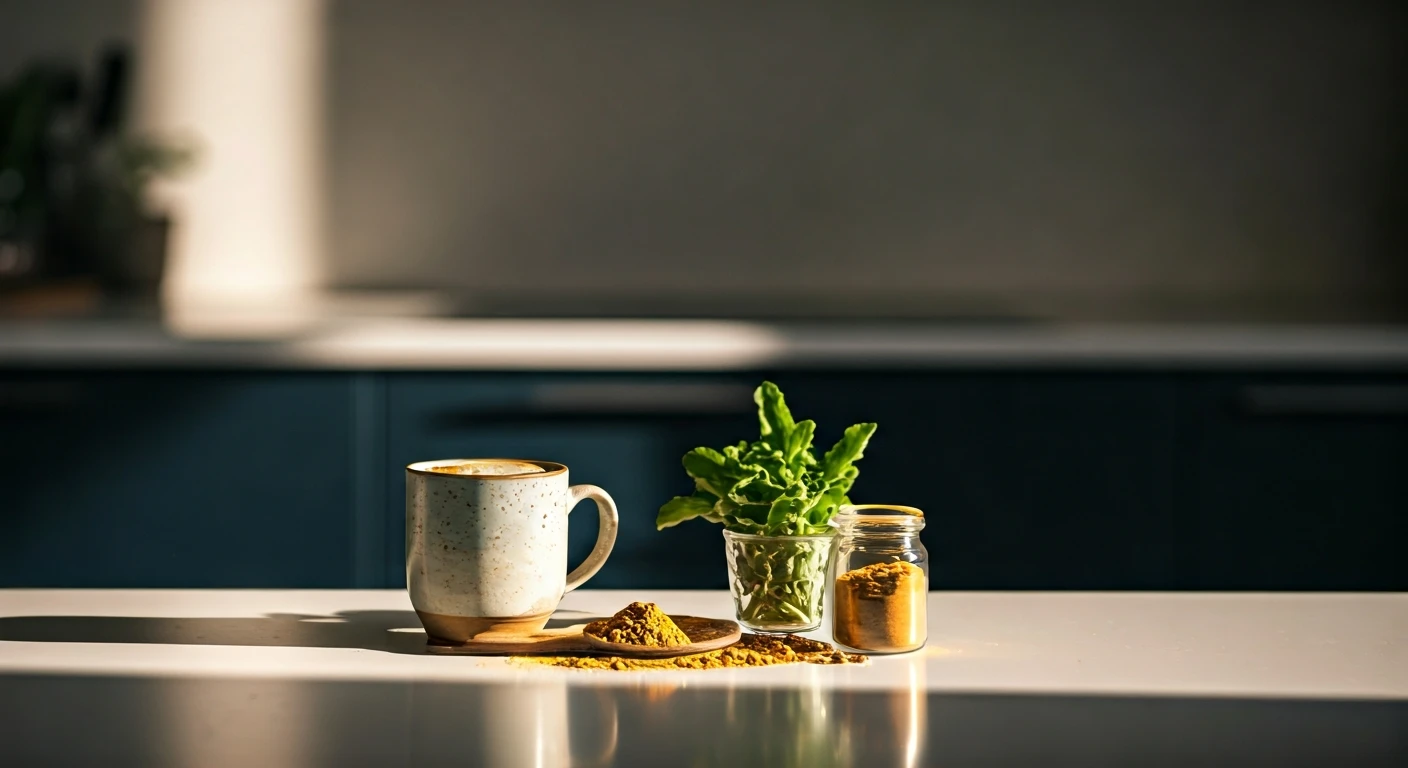
Walk down the aisle of any upscale grocery store and you’ll see it. Ghee, once a simple clarified butter found in most South Asian homes, is now a premium “lactose-free” cooking oil. The humble ‘haldi doodh’ (turmeric milk), a go-to home remedy for colds,
has been reborn as the trendy ‘golden milk latte.’ What’s happening is a fascinating cultural and commercial shift. Ingredients and practices that have been central to Desi (South Asian) life for centuries are being recognized, repackaged, and sold back to a mainstream American audience as the next big thing in gut health. This isn’t just about putting an Indian recipe in a new jar. It's a full-scale rebranding effort that positions these foods within the popular scientific language of microbiomes, inflammation, and digestive wellness, giving them a new kind of legitimacy in the modern marketplace.
The Wisdom of the Spice Box
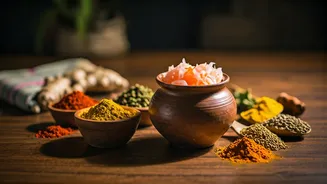
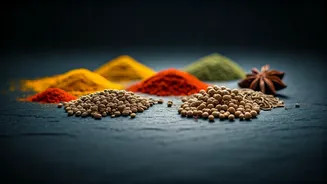
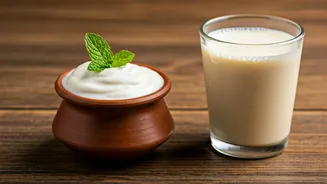
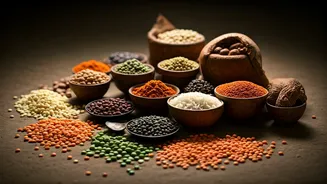
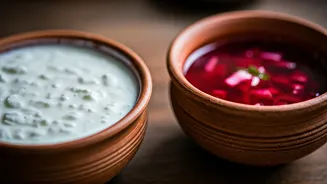
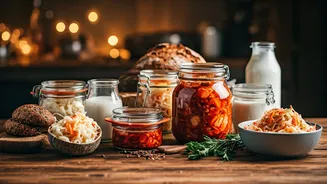
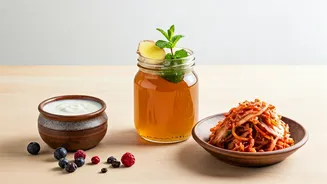
This “new” trend is built on foundations that are thousands of years old, primarily rooted in Ayurveda, the traditional Indian system of medicine. In Ayurveda, digestion is king. The concept of ‘agni,’ or digestive fire, is central to overall health. A strong agni means your body can efficiently process food and eliminate waste, while a weak agni leads to a buildup of toxins and, consequently, disease. Many Desi culinary traditions are inherently designed to support this digestive fire. For example, spices aren’t just for flavor; they are functional. Ginger and black pepper are warming and aid digestion. Cumin and fennel are known to reduce gas and bloating. Fermented foods like dosa (a crepe made from fermented rice and lentil batter) or lassi (a yogurt-based drink) are traditional, naturally-occurring probiotics. Even a simple dish like khichdi—a comforting mix of rice and lentils—is considered the ultimate reset food for an upset stomach, easy to digest and deeply nourishing.
New Guards of an Old Tradition
What makes this current movement different from past instances of cultural appropriation is who is leading the charge. A new generation of South Asian-American entrepreneurs, chefs, and influencers are at the forefront, reclaiming their own heritage. They are building brands that are both authentic and accessible. They can speak the language of both their grandmother’s kitchen and the modern wellness consumer. These founders often emphasize sourcing high-quality, single-origin spices, educating consumers about the real history of the ingredients, and celebrating the culture, not just commodifying it. By doing so, they are building a bridge between worlds. They are telling their own stories, ensuring that the context and respect for these traditions are not lost in translation as they enter the mainstream.
Reclaiming, Not Just Rebranding
This movement is more than a savvy business trend; for many, it’s an act of cultural reclamation. For decades, many first- and second-generation Desi Americans felt the need to downplay the very things that are now celebrated. The ‘smelly’ lunches of childhood are now the basis for a successful food brand. The home remedies once dismissed as old-fashioned are now backed by a growing body of scientific interest. This shift represents a powerful validation. It challenges the idea that wellness is a concept invented in a California lab and instead grounds it in lived, generational wisdom. By centering their own culture in the narrative, these entrepreneurs are ensuring that the benefits—both financial and cultural—flow back to the communities that have been the stewards of this knowledge all along.