


Let There Be Light
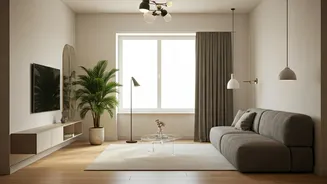
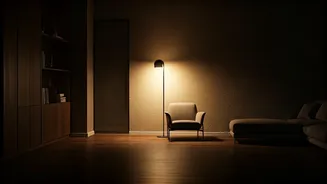
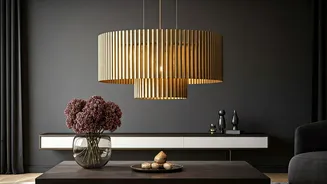
The oldest trick in the book is still the best for a reason: light creates an illusion of space. Maximize natural light by ditching heavy, dark curtains for sheer, light-filtering window treatments. When the sun goes down, a layered lighting strategy
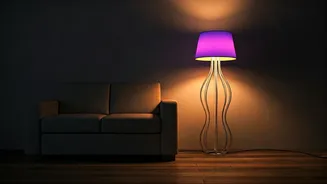
is key. Instead of a single, harsh overhead fixture, use a combination of sources: a stylish floor lamp in a corner, a table lamp on a console, and perhaps some under-cabinet or accent lighting. Each pool of light draws the eye around the room, making its boundaries feel less defined and more expansive.
Think Vertically, Not Just Horizontally
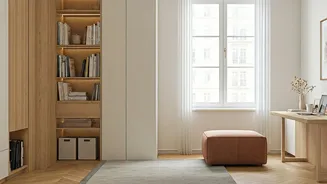
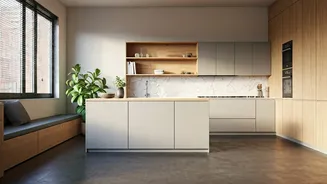
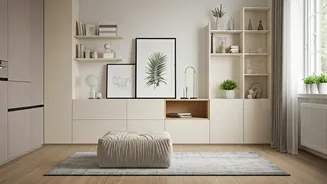
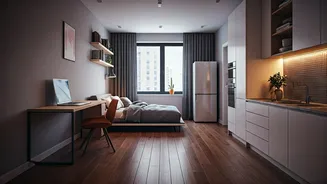
When you can't build out, build up. Drawing the eye upward makes a room feel taller and more open. Use tall, narrow bookcases, floating shelves, or floor-to-ceiling curtains (hang the rod as close to the ceiling as possible) to create a sense of verticality. This not only adds valuable storage without eating up precious floor space but also tricks the brain into perceiving the room as grander than it is. A single, tall plant or a piece of vertical artwork can achieve the same effect.
Choose Multitasking Furniture
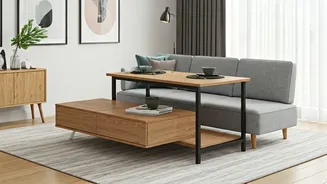
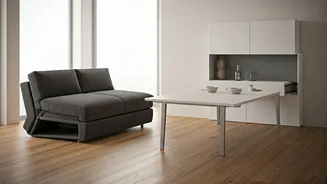
In a small room, every piece of furniture should earn its keep. Look for items that serve more than one purpose. An ottoman with hidden storage, a coffee table that lifts to become a dining or work surface, or a daybed that serves as both sofa and guest bed are all brilliant investments. Also consider furniture with a lighter visual weight. Pieces with legs, like a mid-century modern console or sofa, allow you to see the floor underneath, which creates a feeling of openness. Glass or acrylic tables can seem to disappear, offering function without visual clutter.
Go Big with a Few Key Pieces
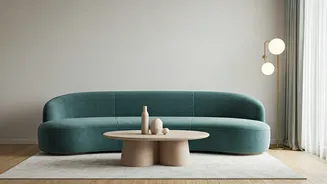
It sounds counterintuitive, but filling a small room with lots of tiny furniture and decor often makes it feel more cluttered and chaotic. Instead, be bold. A single, large piece of art makes a much stronger and more space-defining statement than a gallery wall of tiny frames. A large, well-placed area rug can define a zone and anchor the furniture, making the entire arrangement feel more deliberate and spacious. The key is to choose just a few impactful items rather than many small ones.
Embrace the Power of Mirrors
Mirrors are magic wands for small spaces. They bounce light, both natural and artificial, around the room, instantly making it feel brighter and more alive. More importantly, they create a powerful illusion of depth. Placing a large mirror on a wall opposite a window is a classic designer move that can make it feel like you have a second window, effectively doubling your light and view. Don't be afraid to go big; a large, floor-length mirror leaning against a wall can dramatically open up a cramped corner.
Use Color Strategically
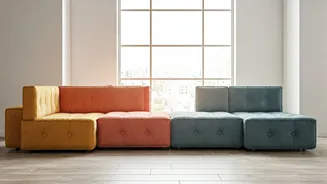
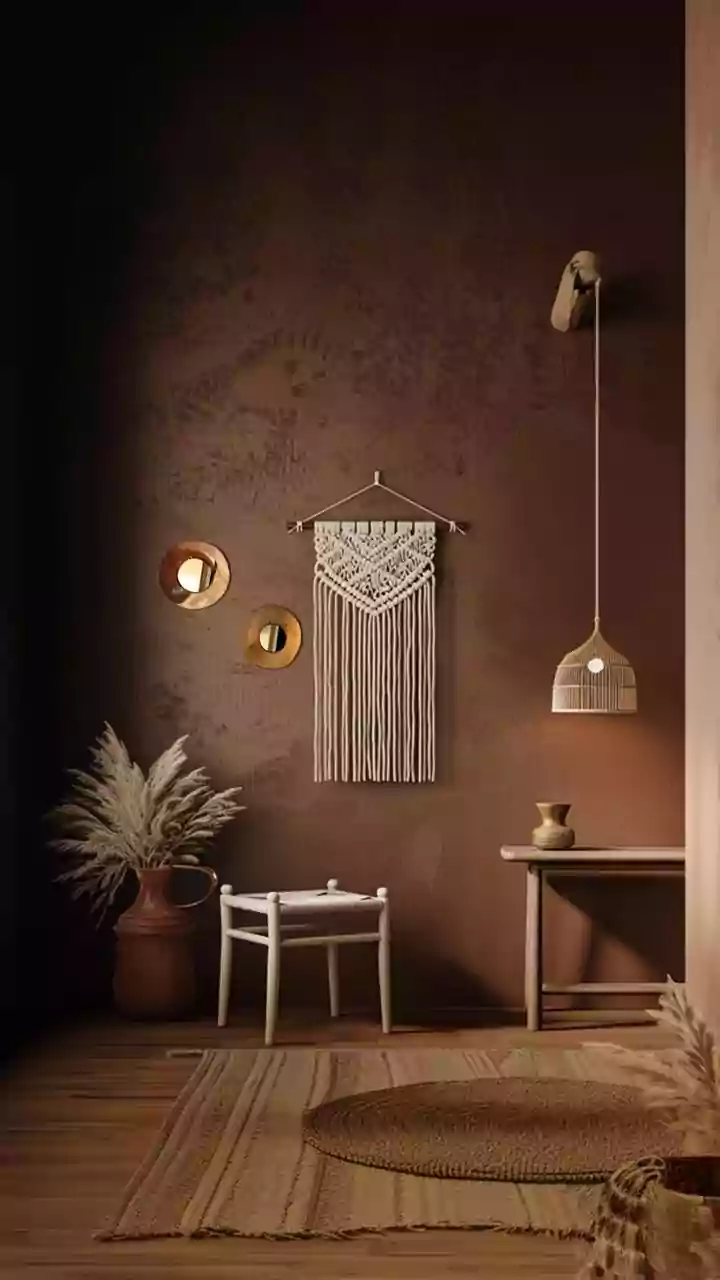
While painting everything stark white can work, it's not the only option. A light, cohesive color palette is generally best for making a space feel airy. Soft blues, pale grays, and warm off-whites are excellent choices. To add depth without closing the room in, try painting the trim and walls the same color but in different sheens (e.g., eggshell on walls, semi-gloss on trim). This creates subtle contrast and highlights architectural details without visually chopping up the space. If you love dark colors, consider creating a single, dramatic accent wall, often the one furthest from the door, to draw the eye through the room and create a sense of depth.