


From Novelty to Necessity
For years, the term “smart home” conjured images of a tech enthusiast showing off how they could turn on a lamp with their voice. It was a novelty, a collection of disconnected devices that often created more problems than they solved. But the trend lines
for 2026 point to something far more profound. The smart home is undergoing a quiet rebranding, moving away from being a hobbyist’s playground and toward becoming a fundamental aspect of modern living. This isn't just about convenience anymore. It’s about creating an environment that actively supports your well-being, reflects your environmental ethics, and seamlessly integrates into your aesthetic—a true lifestyle choice, much like the car you drive or the clothes you wear.
The Rise of the Wellness Home
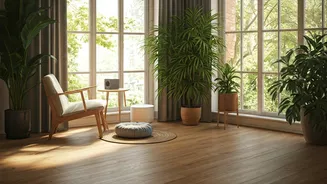
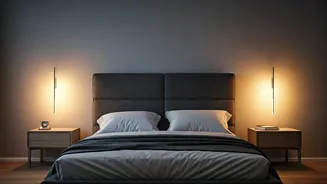
One of the biggest drivers of this shift is the focus on personal wellness. The future smart home is a health hub. Imagine waking up not to a blaring alarm, but to smart blinds that gradually open to mimic the sunrise, regulating your circadian rhythm. Your air purifier has already ramped up to filter out allergens, and the coffee maker has brewed your first cup at the optimal time based on your sleep data. This isn't science fiction; it’s the direction technology is headed. Companies are developing integrated systems that monitor air and water quality, adjust lighting to improve mood and focus, and create soundscapes for relaxation. The home is no longer a passive shelter but an active partner in your physical and mental health journey. It’s a space designed to restore, not just house you.
Sustainability as a Status Symbol
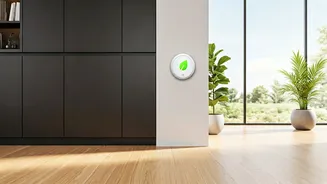
As environmental consciousness grows, so does the desire for our lifestyles to reflect those values. The 2026 smart home makes sustainability effortless and visible. It’s no longer just about buying organic produce; it’s about living in a home that intelligently manages its own footprint. Smart thermostats that learn your schedule are now table stakes. The next evolution includes systems that optimize energy use based on time-of-day pricing from the grid, smart sprinklers that pull weather data to avoid wasting water, and energy monitoring that tells you exactly which appliances are energy hogs. Owning a home that minimizes its impact becomes a point of pride. It’s a tangible expression of a commitment to the planet, transforming eco-consciousness from an abstract idea into a daily, automated reality.
Invisible Tech and Seamless Design
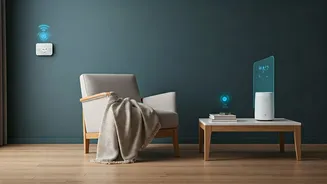
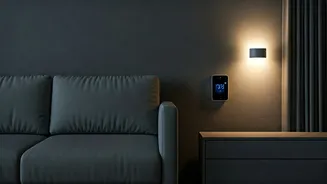
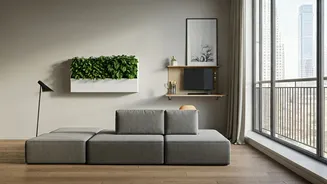
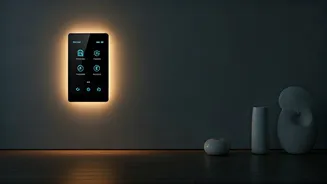
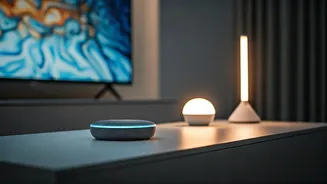
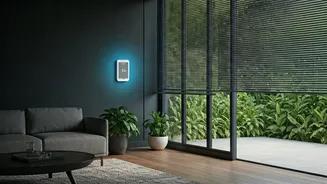
For the smart home to become a true lifestyle element, it has to look the part. The era of bulky plastic hubs and conspicuous smart speakers is ending. The new mandate is seamless integration—technology that disappears into the architecture of the home. We’re talking about speakers hidden within walls, light fixtures with fully integrated color and temperature controls, and sensors that are nearly invisible. Interior designers and architects are now collaborating with tech companies to build these systems in from the ground up. This aesthetic evolution is critical. When technology doesn't disrupt the visual harmony of a space, it ceases to be an add-on and becomes part of the home’s essential character, allowing the focus to remain on comfort, beauty, and personal style.
The Fully Automated Ecosystem
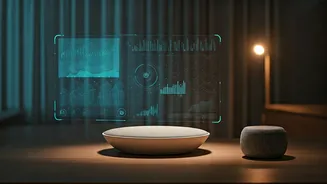
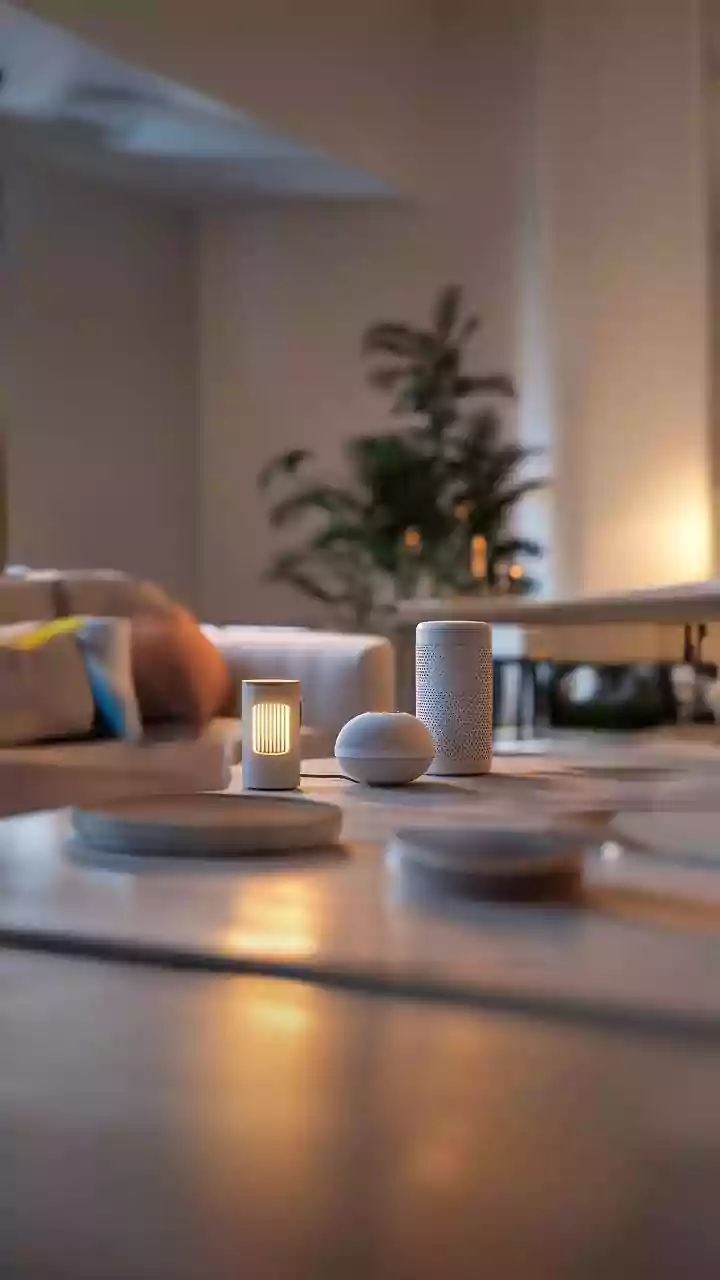
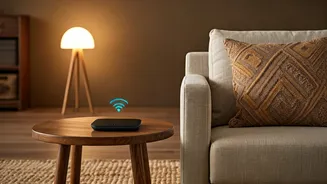
Finally, the key to making this all work is interoperability. In the past, getting a smart light from one brand to work with a thermostat from another was a nightmare. The industry is aggressively moving toward a unified standard, with initiatives like the 'Matter' protocol leading the charge. By 2026, the expectation is that devices will work together out of the box, creating a single, cohesive ecosystem. This is the final piece of the puzzle. When your security system, lighting, climate control, and entertainment devices all speak the same language, the home can begin to operate on true autopilot, anticipating your needs and creating experiences. It’s this effortless, background operation that elevates a collection of gadgets into a genuine, responsive living environment.