





The Myth of Maximum Coverage
The appeal of a giant, golf-style umbrella is obvious: it promises a sprawling, impenetrable dome of dryness. In a windless, empty field, this promise holds. But in the real world—on a gusty street corner or a crowded sidewalk—it’s a clumsy liability.
That massive canopy acts like a sail, catching every breeze and threatening to either fly out of your hands or turn inside out with a sad, metallic crunch. The result? You spend all your energy fighting the umbrella itself, angling it against the wind and inadvertently exposing your entire left side to the downpour. The perceived coverage is an illusion, easily defeated by a bit of weather or a narrow passageway. You end up just as damp, but with the added frustration of having managed a piece of unwieldy equipment the entire time.
The Simple Virtue of Being Prepared
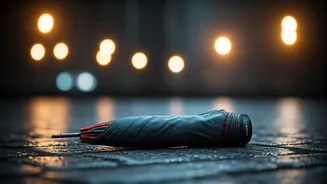
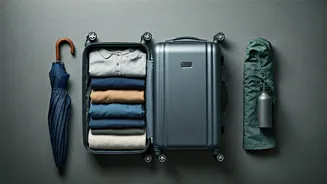
Herein lies the compact umbrella’s superpower: its mere presence. A golf umbrella is an intentional, cumbersome choice. You only lug it around if rain is a near certainty, making you a fair-weather fortune teller. But a compact umbrella lives quietly in your backpack, your tote bag, or the glove compartment of your car. It asks for nothing and takes up almost no space. It’s the ultimate tool of preparedness, transforming an unexpected downpour from a crisis into a minor inconvenience. There’s a certain smug satisfaction in being the person who says, “Oh, it’s raining?” before calmly retrieving a perfectly adequate solution from their bag. This isn't about planning for a hurricane; it's about elegantly handling the 90% of rain events that are just sudden, annoying showers. The best umbrella is the one you actually have with you.
Navigating the Urban Jungle
In a city, a giant umbrella is not just a personal problem; it’s a public menace. Wielding one on a busy sidewalk is an exercise in accidental aggression, a hazardous dance of trying not to poke fellow pedestrians in the eye. You become a walking obstruction, forcing others to duck and weave. Getting through a revolving door is a slapstick routine. Entering a shop means dripping water everywhere from a canopy that’s too large to shake out discreetly. In contrast, the compact umbrella is a model of civic grace. It provides a personal bubble of dryness without encroaching on anyone else’s space. You can collapse it with one hand before you even step inside, give it a quick shake, and tuck it into a waterproof sleeve. It’s socially aware, efficient, and respectful of shared space. It’s the difference between being a considerate citizen and being ‘that person’ with the giant umbrella.
How to Pick a Compact That Lasts
The primary counterargument is durability. We’ve all been betrayed by a flimsy, $5 compact that inverted and broke in its first real test. But this isn’t a flaw in the concept; it’s a flaw in the quality. Investing in a good compact umbrella is key. Look for one with a double-vented canopy, which allows wind to pass through, dramatically reducing the risk of it turning inside out. Ribs made from fiberglass are more flexible and resilient than cheap metal. A strong, automatic open-and-close mechanism is more than a convenience—it’s a sign of better construction. A quality compact umbrella, which can be found for a reasonable price from reputable brands, is a sturdy, reliable tool. It’s not a disposable item but a piece of everyday gear designed to handle the elements without the drama.