



Welcome to the 'Princess of Hill Stations'
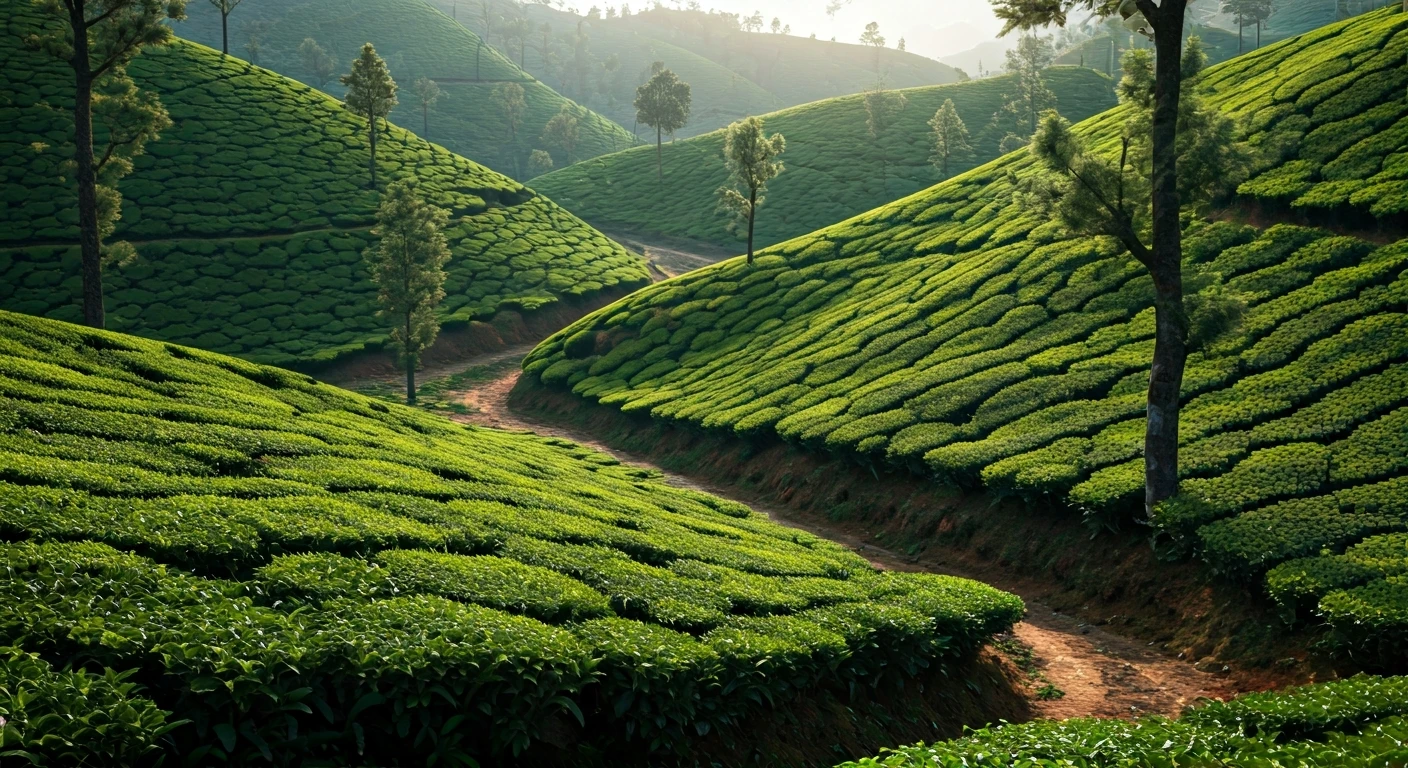
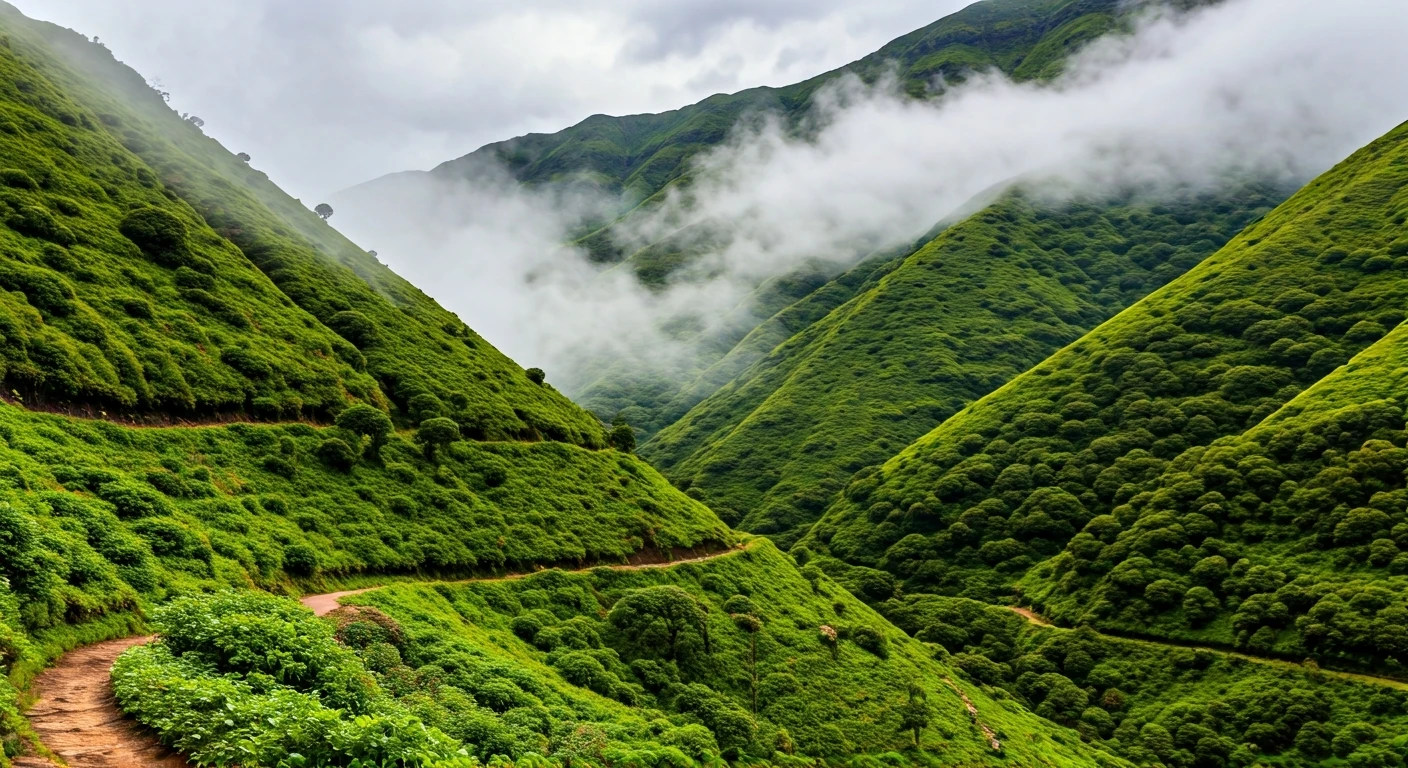
First, a quick geography lesson for those of us whose knowledge of India might be limited to the Taj Mahal and New Delhi. Far south, in the state of Tamil Nadu, is a mountain range called the Palani Hills. Perched at an elevation of about 7,000 feet is Kodaikanal,
a hill station affectionately known as the 'Princess of Hill Stations.' It was established by American and European missionaries in the 1840s as a refuge from the blistering heat of the lowlands. They were onto something. The town retains a whisper of that colonial past, with stone churches and gabled bungalows peeking through curtains of fog, but its true magic lies in the dramatic natural landscape it inhabits.
Decoding 'Perfect' June Weather
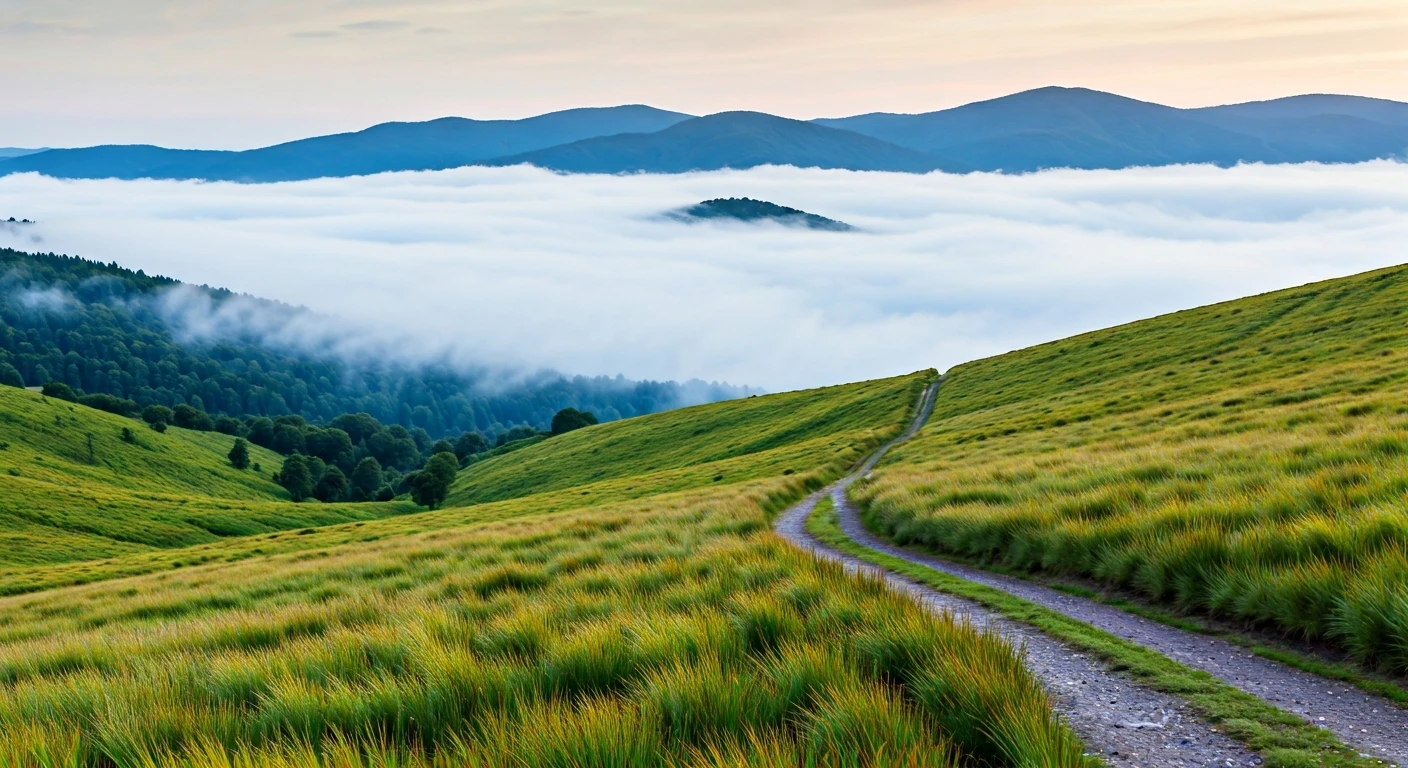
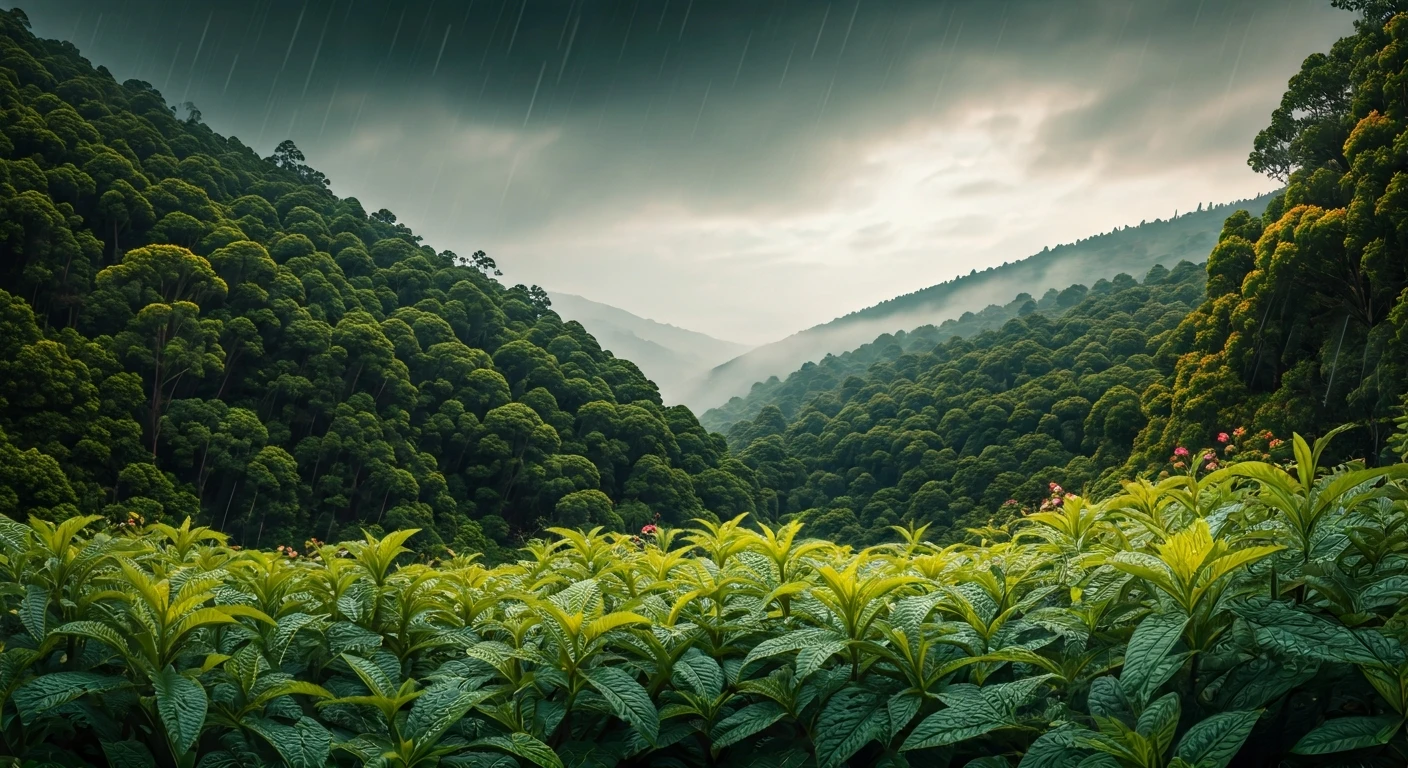
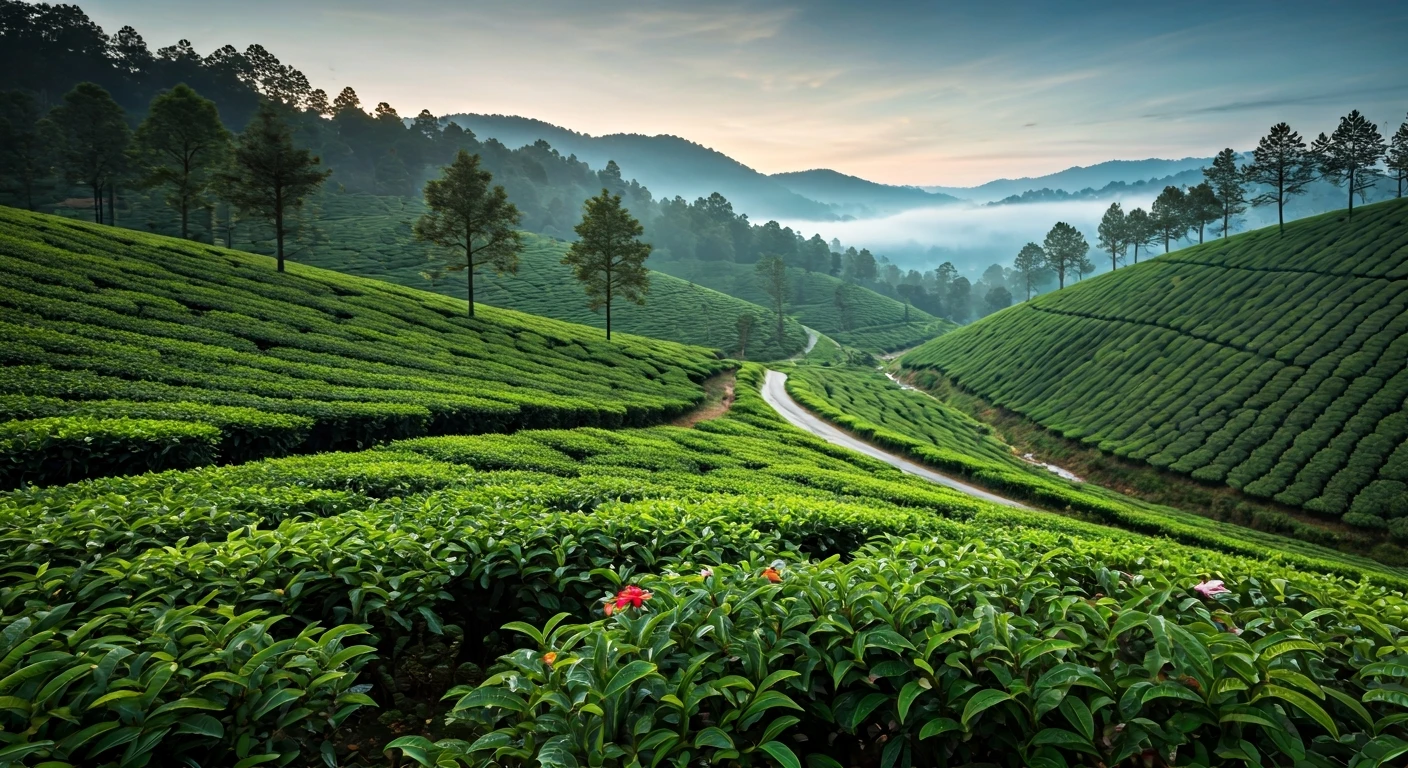
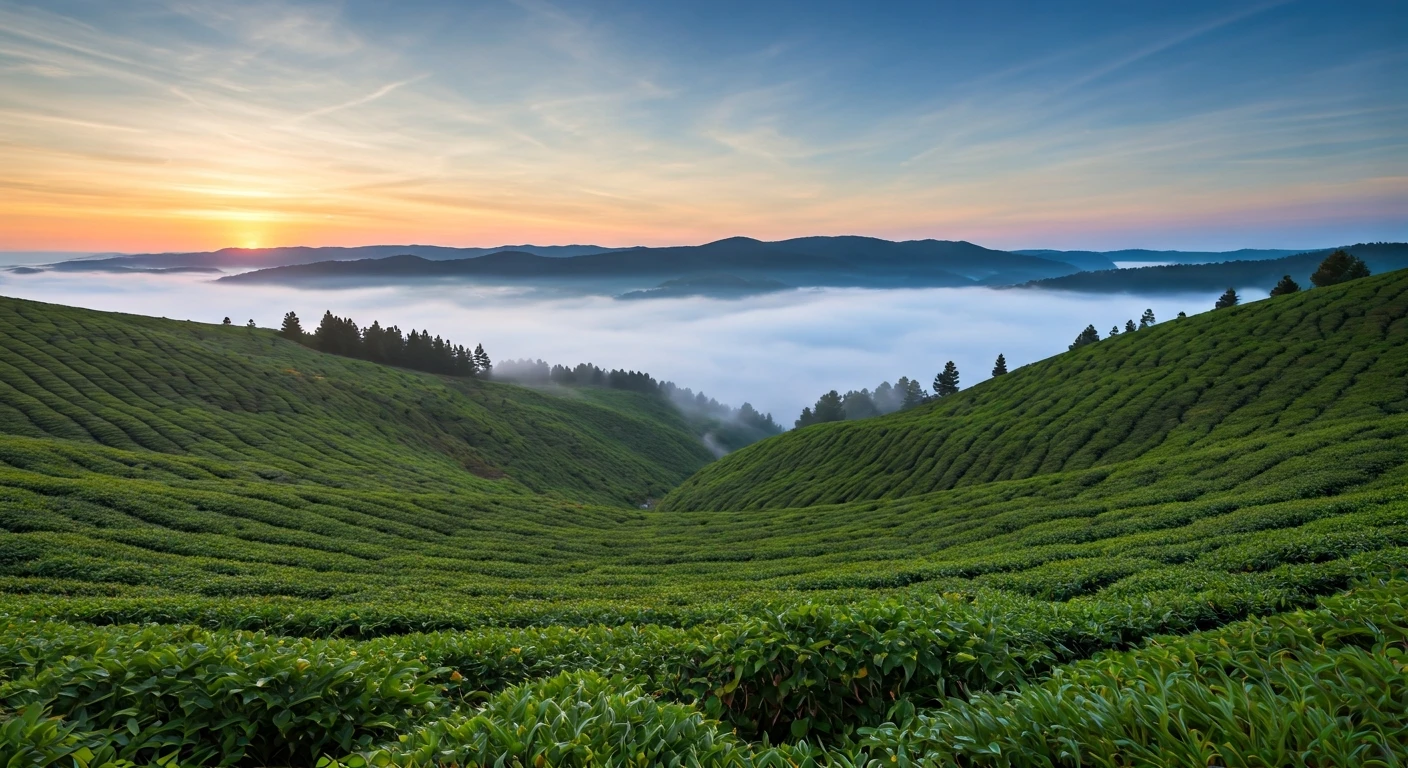
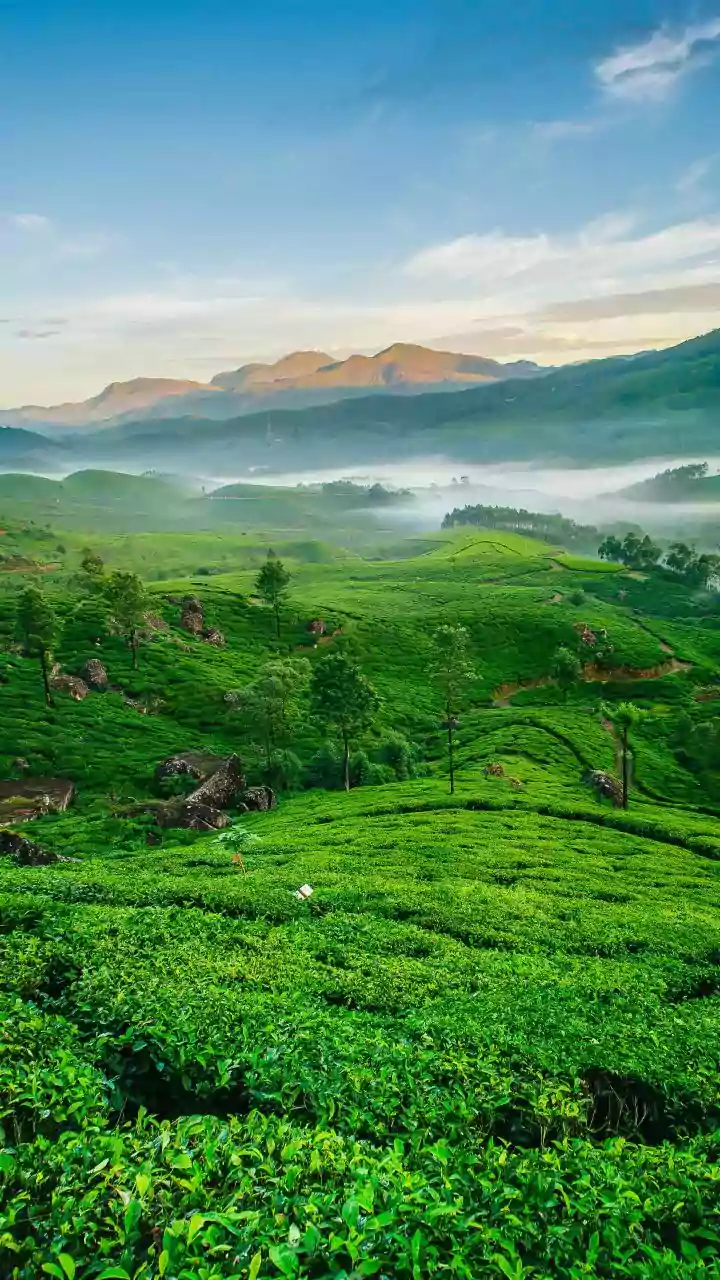
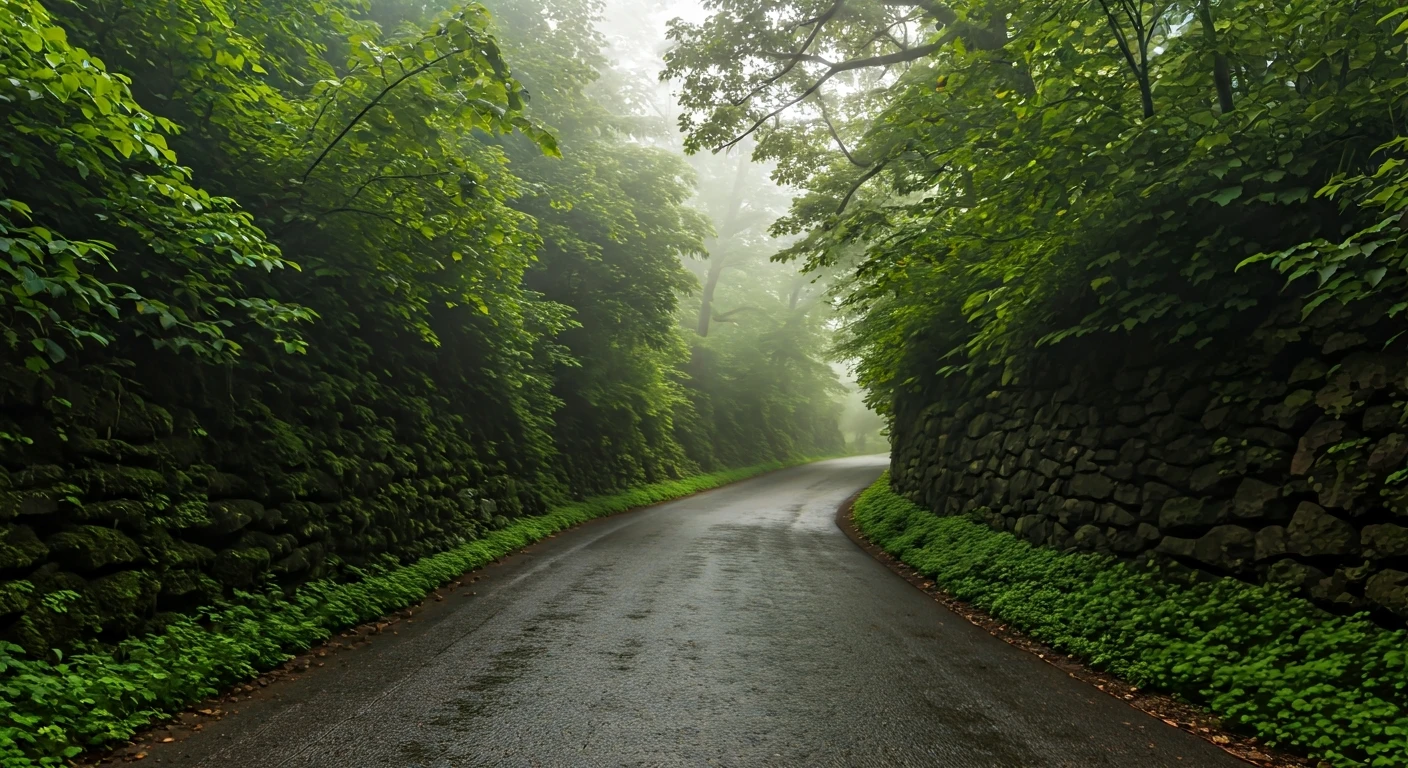
Let’s be clear: the 'perfect' weather Kodaikanal offers in June isn’t the kind you’d find on a postcard from Malibu. This isn't about cloudless blue skies and baking on a beach. It’s the antithesis. June marks the arrival of the southwest monsoon. While that might sound like a washout, for Kodaikanal it means something else entirely. Temperatures hover in the cool, comfortable 60s Fahrenheit—perfect sweater weather. The rains are often a gentle, persistent drizzle or a dramatic afternoon downpour that leaves the air smelling of petrichor and eucalyptus. The 'energy' comes from this moody, atmospheric setting: think misty mornings, rolling fog that swallows valleys whole, and a lush, super-saturated green landscape that feels impossibly alive.
Strolling Through the Clouds
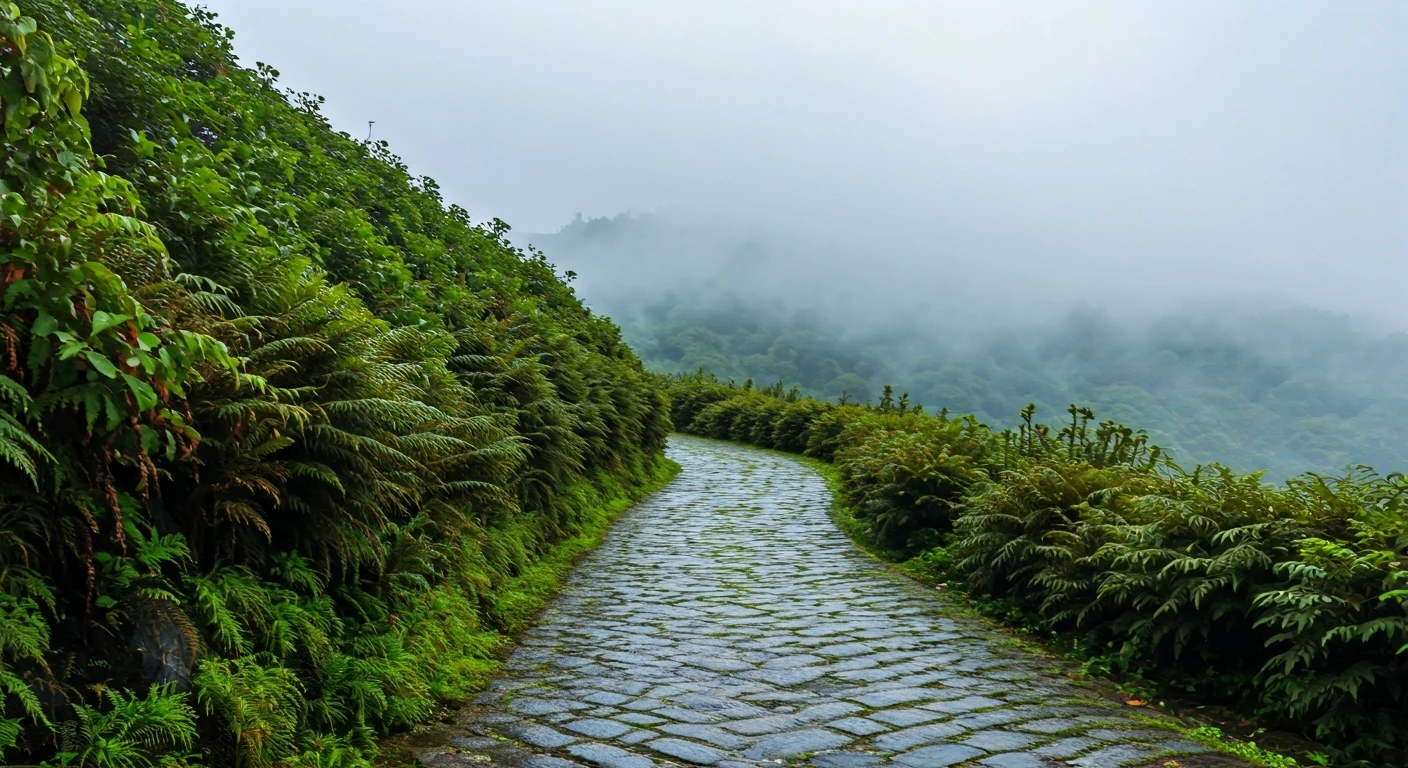
One of Kodaikanal’s most famous attractions is Coaker's Walk, a paved pedestrian path that clings to the edge of a steep slope. On a clear day, the views of the valley are breathtaking. But in June, the experience is even more surreal. You’re not just looking at the clouds; you’re walking right through them. The mist rolls in, reducing visibility to a few feet, creating a serene, almost mystical feeling of being disconnected from the world below. It’s an experience that’s less about the grand vista and more about the quiet, introspective moment. Similarly, the iconic Pillar Rocks—three massive granite boulders standing shoulder-to-shoulder—play a game of peek-a-boo with the fog, making their rare, complete appearance a genuine spectacle.
A Landscape Reborn by Rain
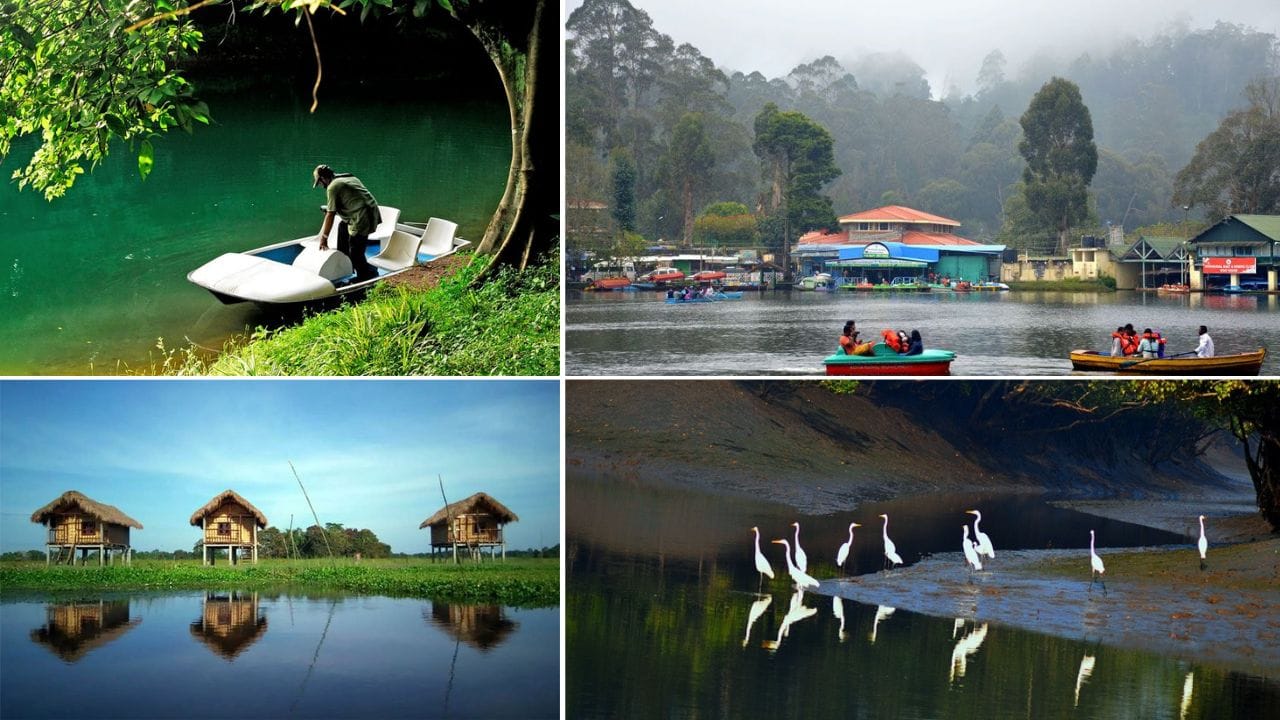
The monsoon transforms Kodaikanal’s landscape. The star-shaped Kodaikanal Lake, the town's centerpiece, brims with water, its surface often dappled by rain. Renting a paddleboat or a rowboat here becomes a romantic, slightly cinematic activity. The surrounding forests, a mix of native Shola trees and fragrant eucalyptus groves, are at their most vibrant. Waterfalls that are mere trickles in the dry season, like Bear Shola Falls and Silver Cascade, roar back to life, becoming powerful, must-see destinations. For hikers, the trails become muddy but magnificent, leading through pine forests where the sound is muffled by a carpet of needles and the air is crisp and cool.
Cozy Comforts and Mountain Flavors
This kind of weather demands its own culinary comforts. Kodaikanal delivers with cozy cafes serving hot tea and coffee, perfect for warming your hands after a misty walk. The town is also famous for its homemade chocolates, a legacy of its European influence, and you'll find shops selling rich, decadent varieties on every corner. The cool climate is also ideal for growing plums, pears, and other temperate fruits not commonly found in the rest of South India. Indulging in a plate of hot, spicy pakoras (fried vegetable fritters) from a street-side vendor while watching the fog roll in is a quintessential Kodaikanal experience—a simple, delicious pleasure that perfectly complements the cool, damp air.