

First, What Is a Pakora?
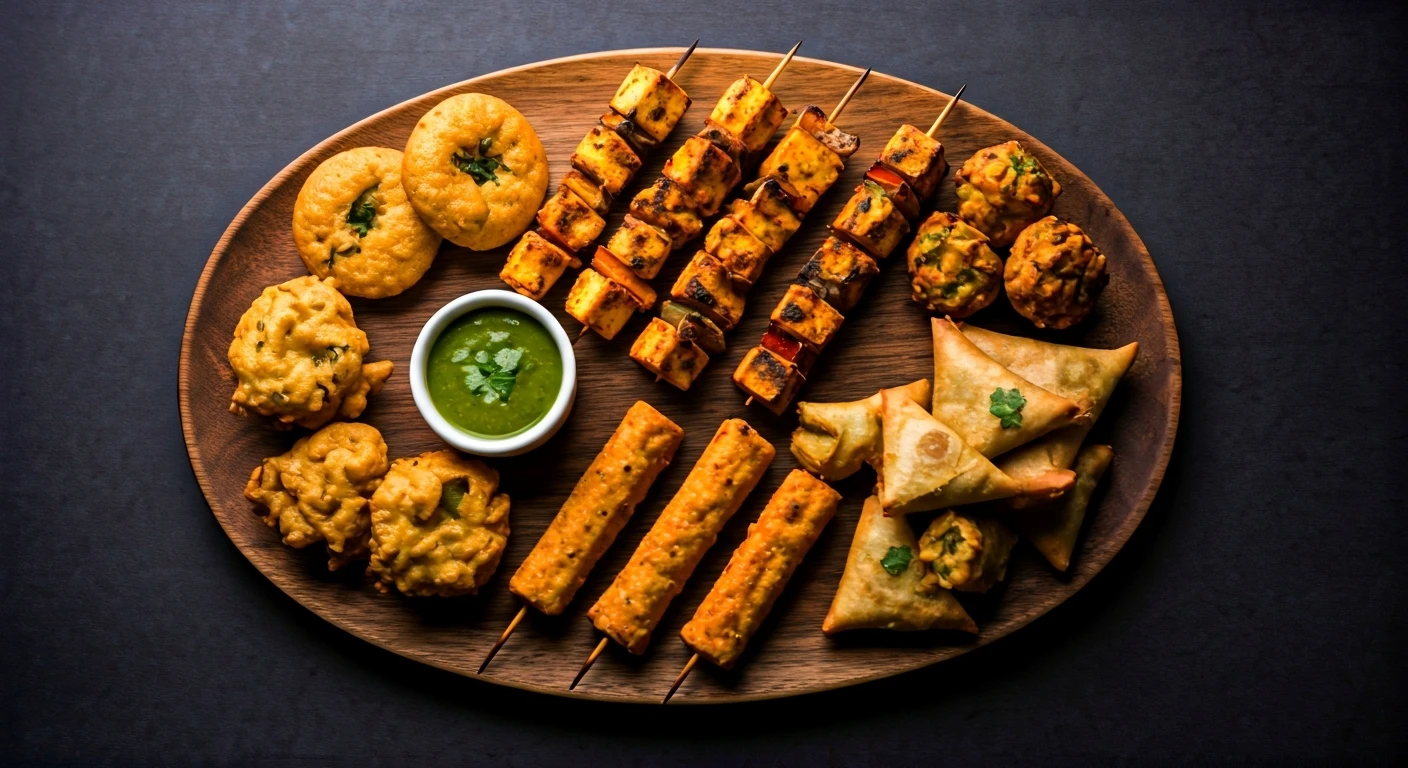
Before we get to the star ingredient, let's talk about the pakora itself. If you've ever been to an Indian restaurant in the U.S., you've likely seen them on the appetizer menu. Pakoras are a beloved category of Indian fritters, ubiquitous street food,
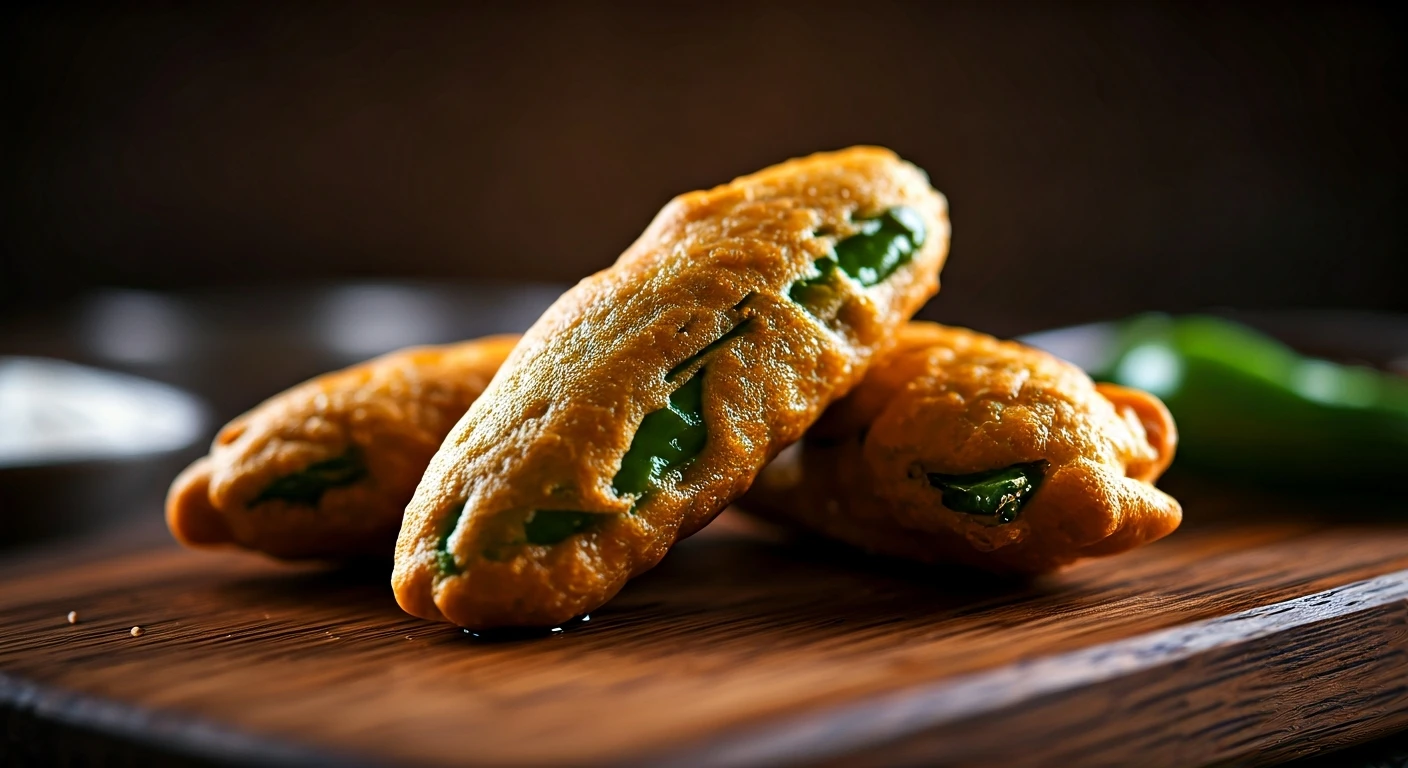
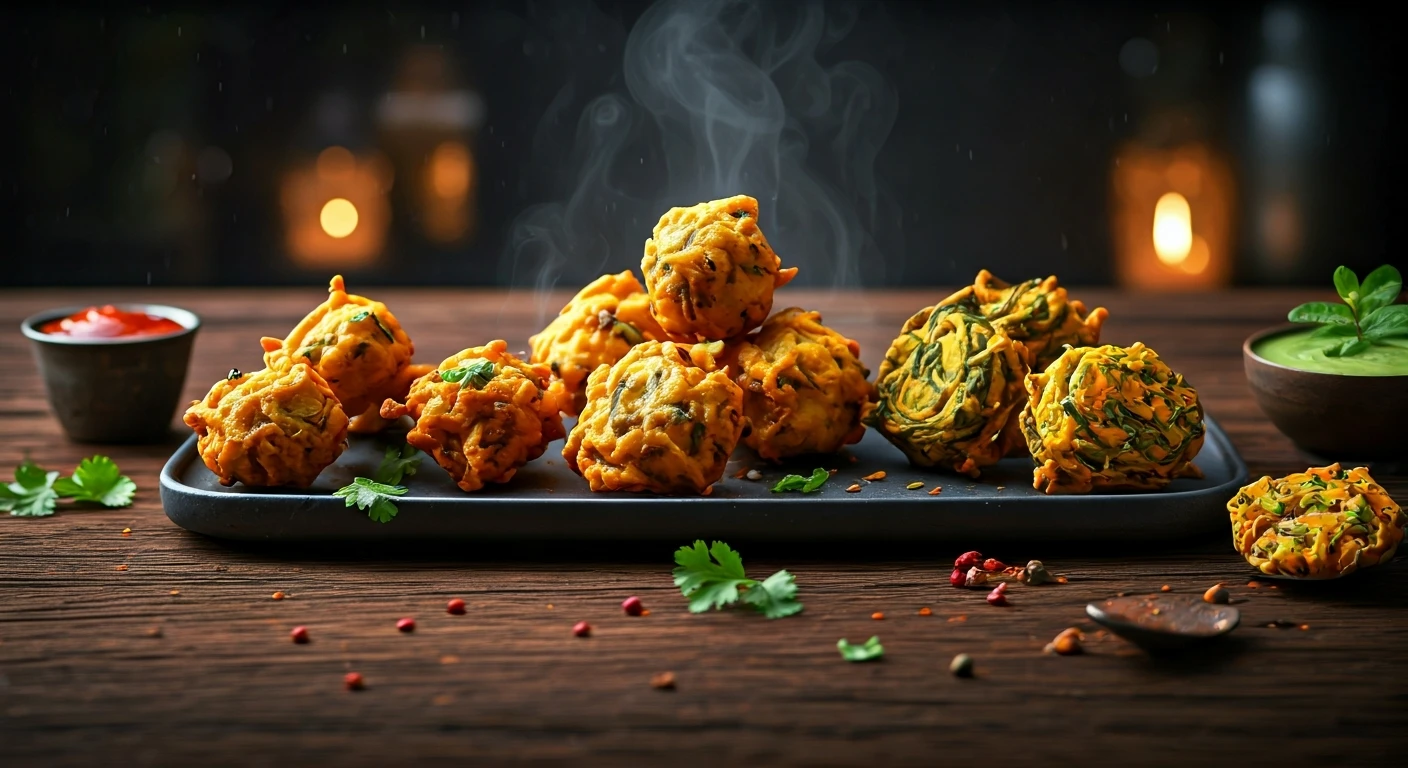
and a staple of home cooking, especially when the weather turns cozy. The concept is simple and brilliant: chop up a vegetable, mix it into a spiced batter made from chickpea flour (besan), and deep-fry it until golden and crisp. Nearly any vegetable can be turned into a pakora. You’ll find versions made with sliced potatoes, onions, spinach, cauliflower, or even chili peppers. They are the ultimate comfort food—savory, satisfying, and infinitely variable. Served hot, often with a tangy tamarind chutney or a fresh mint-coriander sauce, they represent an accessible and delicious piece of Indian culinary culture.
The 'Green Energy' of Methi
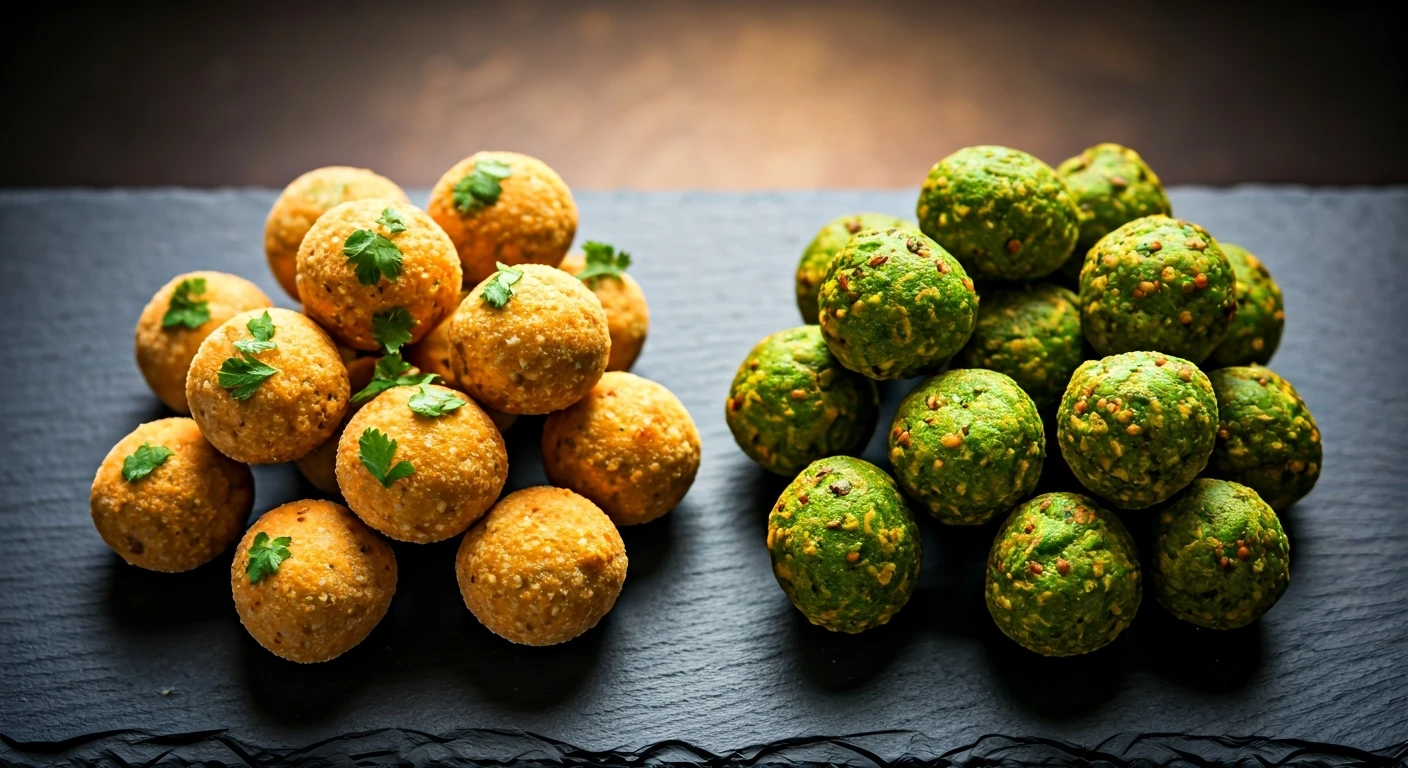
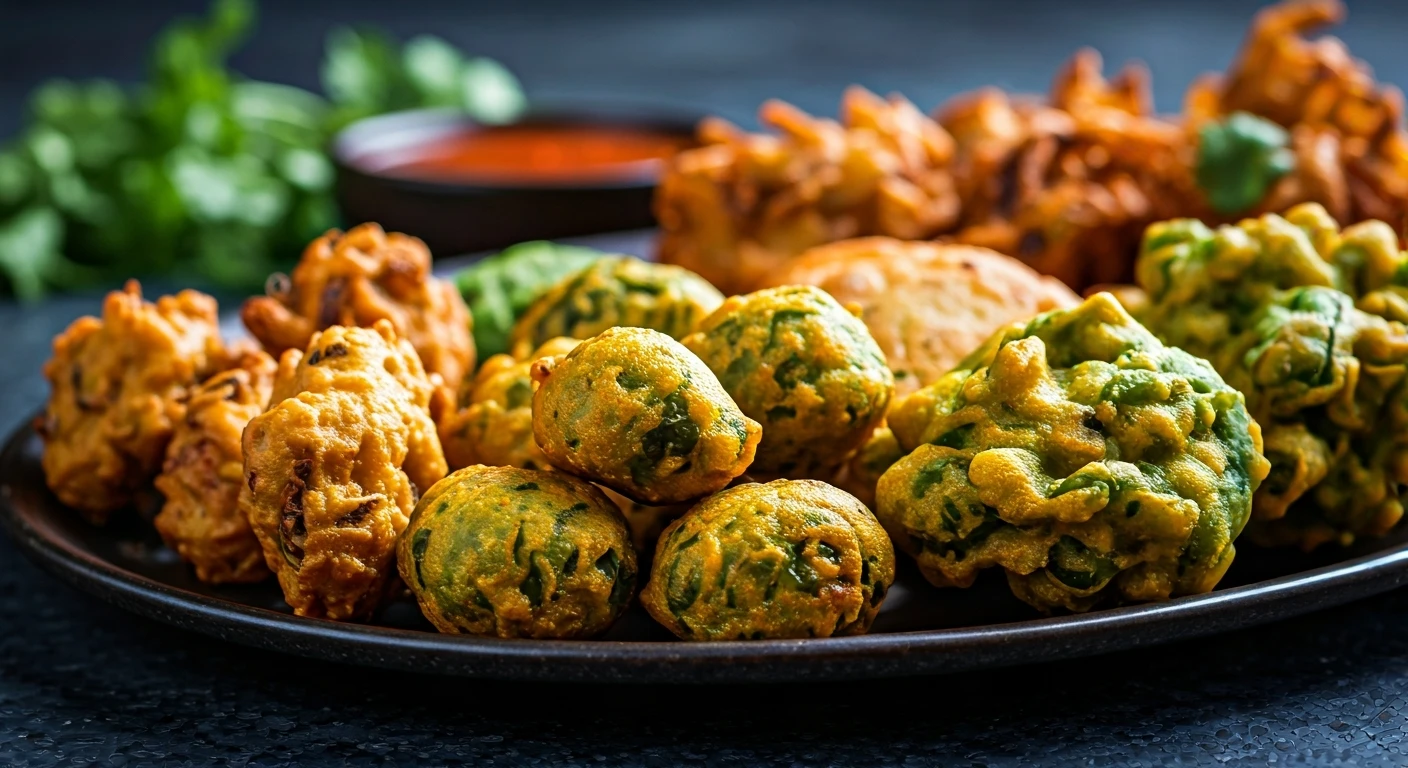
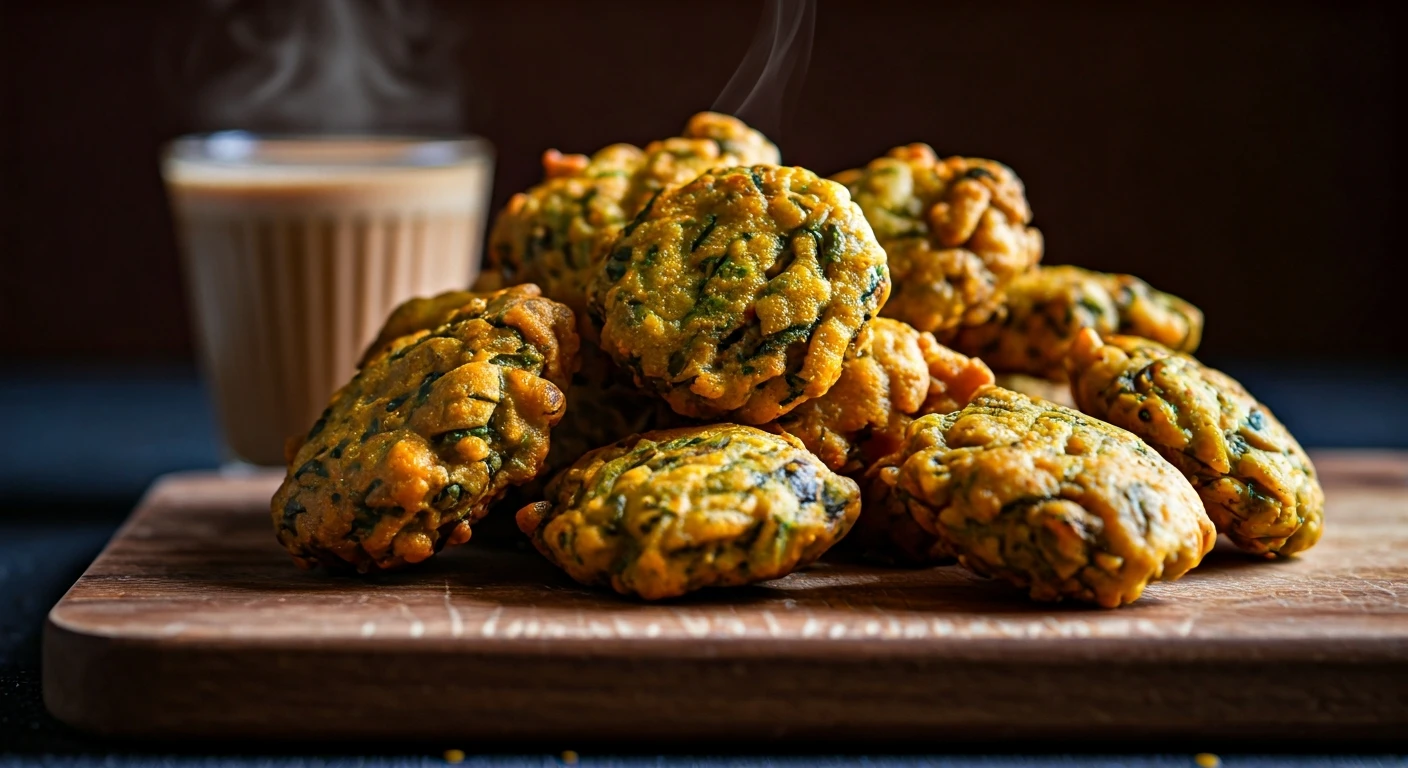
What sets methi pakoras apart is their hero ingredient: fresh methi, or fenugreek leaves. In the U.S., many are familiar with fenugreek as the small, hard, amber-colored seeds that give a distinctive, maple-syrup-like aroma to certain curries. The fresh leaves, however, are another world entirely. They carry a unique and complex flavor that is earthy, savory, and pleasantly bitter—a grown-up taste that cuts through the richness of the fried batter beautifully. This is the “green energy” the headline hints at. It’s not about electricity; it’s about the vibrant, herbaceous power of these leafy greens. When chopped and folded into the chickpea flour batter, the methi leaves transform the humble fritter. They impart a deep green fleck and a savory depth that is instantly recognizable and utterly addictive. The slight bitterness mellows with cooking, leaving behind a complex flavor that makes these pakoras feel more substantial and sophisticated than their plain-Jane cousins.
The Perfect Bite
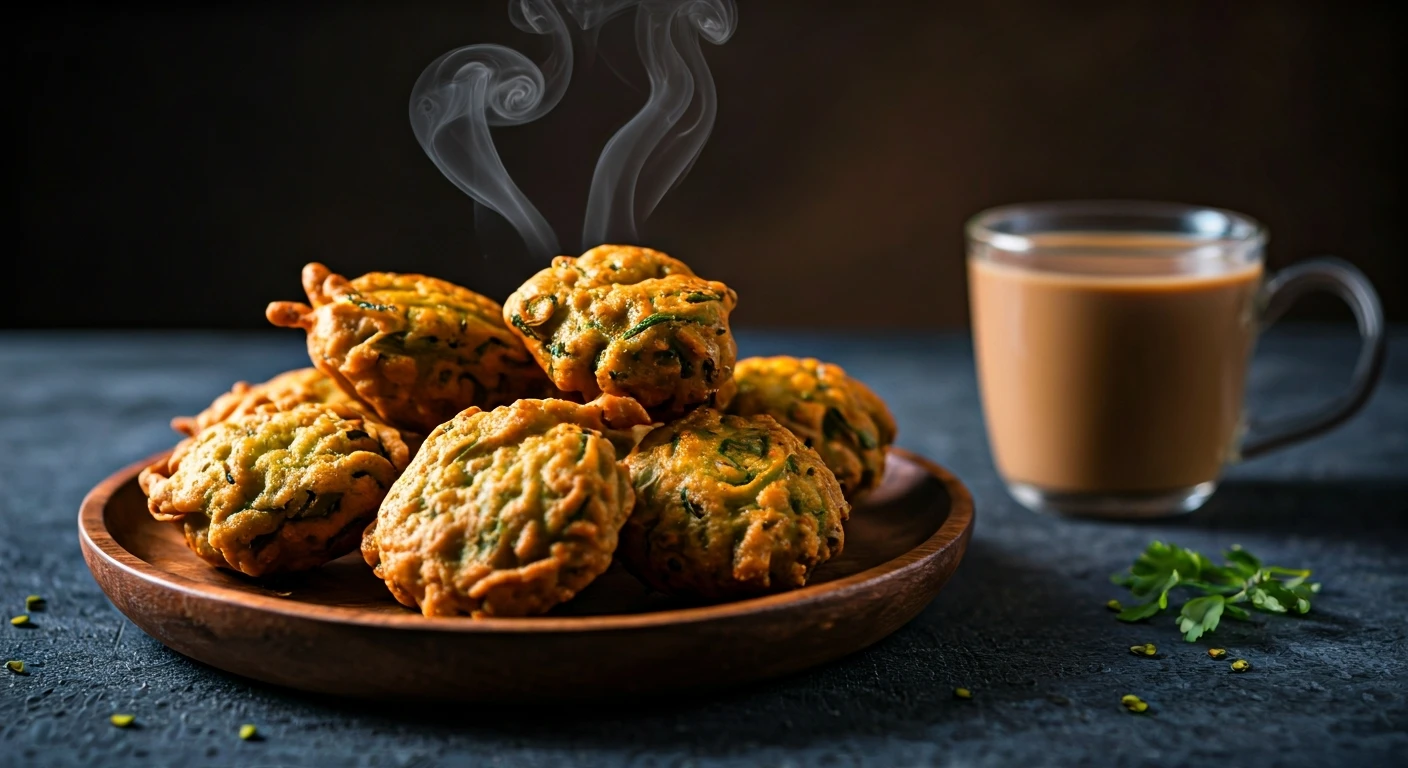
The experience of eating a methi pakora is a masterclass in texture and taste. The outside is craggy and impossibly crisp, thanks to the chickpea flour batter. As you bite through that crunchy shell, you hit the interior, which is soft, steamy, and light. It’s not dense or doughy. The taste is a symphony of complementary flavors: the nutty, earthy base of the chickpea flour, the warmth from spices like turmeric and red chili powder, and then the star—that signature, slightly bitter, deeply savory note of the methi leaves. They are best eaten seconds after they leave the hot oil, when they are at their peak textural contrast. A dip into a cool, tangy chutney provides the perfect counterpoint, adding a sweet or spicy element that makes the whole experience sing. It’s a snack that engages all the senses.
The Sacred Ritual of Chai Time
You can’t talk about pakoras without talking about chai. In India, “chai time” is a cherished daily ritual. It’s that late afternoon pause, around 4 p.m., when work stops and families gather for a cup of hot, milky, spiced tea. It’s a moment to reconnect, recharge, and enjoy a small savory snack. And more often than not, especially on a rainy day, that snack is a plate of pakoras. Methi pakoras and chai are a classic pairing. The robust, slightly bitter flavor of the fritters is the perfect foil for the sweet, milky, and aromatic chai. One sip of tea cleanses the palate, making you ready for the next crunchy, savory bite. It’s a symbiotic relationship. This isn't just about refueling; it’s a cultural institution, a moment of comfort and community built around simple, delicious food. Bringing methi pakoras to your own coffee or tea break is a way of channeling that same restorative energy.