
Beyond Summer Salads
For generations, 'summer food' meant lighter fare: burgers on the grill, cold pasta salads at a picnic, a slice of watermelon for dessert. But as climate change makes prolonged, dangerous heatwaves a fixture of American life, the conversation is shifting.
We're moving from the casual concept of 'summer eating' to the more urgent, strategic idea of 'heat-survival meals.' This isn't just about enjoying a refreshing snack; it's about actively using nutrition to help your body manage thermal stress. Public health officials and nutritionists are increasingly framing diet as a critical component of heat-action plans, right alongside seeking shade and staying hydrated. The 'moment' for these meals isn't driven by a celebrity chef, but by necessity, as millions seek practical ways to adapt to a hotter planet.
The Science of Cooling Foods
So what makes a meal a 'heat-survival' tool? It comes down to a few key principles. First and foremost is hydration. Your body cools itself by sweating, a process that depletes water and essential minerals. Foods with high water content help replenish these stores. Second is the thermic effect of food (TEF). This is the energy your body uses to digest, absorb, and process nutrients. High-protein and heavy, fatty meals require more energy to break down, which generates more internal heat. Lighter foods, particularly raw or minimally cooked ones, have a lower TEF, meaning your body doesn’t have to work as hard, keeping your core temperature more stable. Finally, there's the role of electrolytes—minerals like potassium, sodium, and magnesium that are lost through sweat. Replenishing them is crucial for muscle function and overall hydration balance. A true heat-survival meal delivers hydration, is easy to digest, and restores lost nutrients.
Eat Your Water
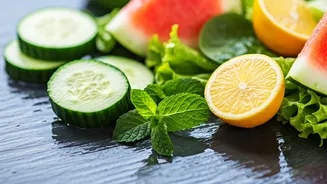
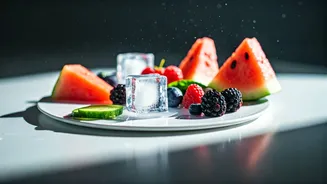
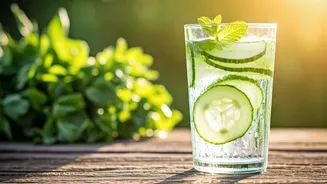
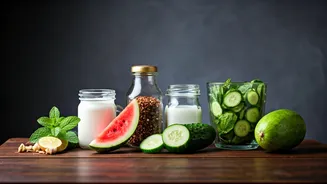
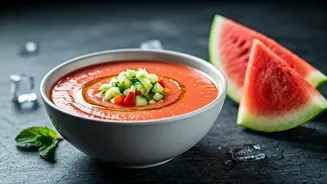
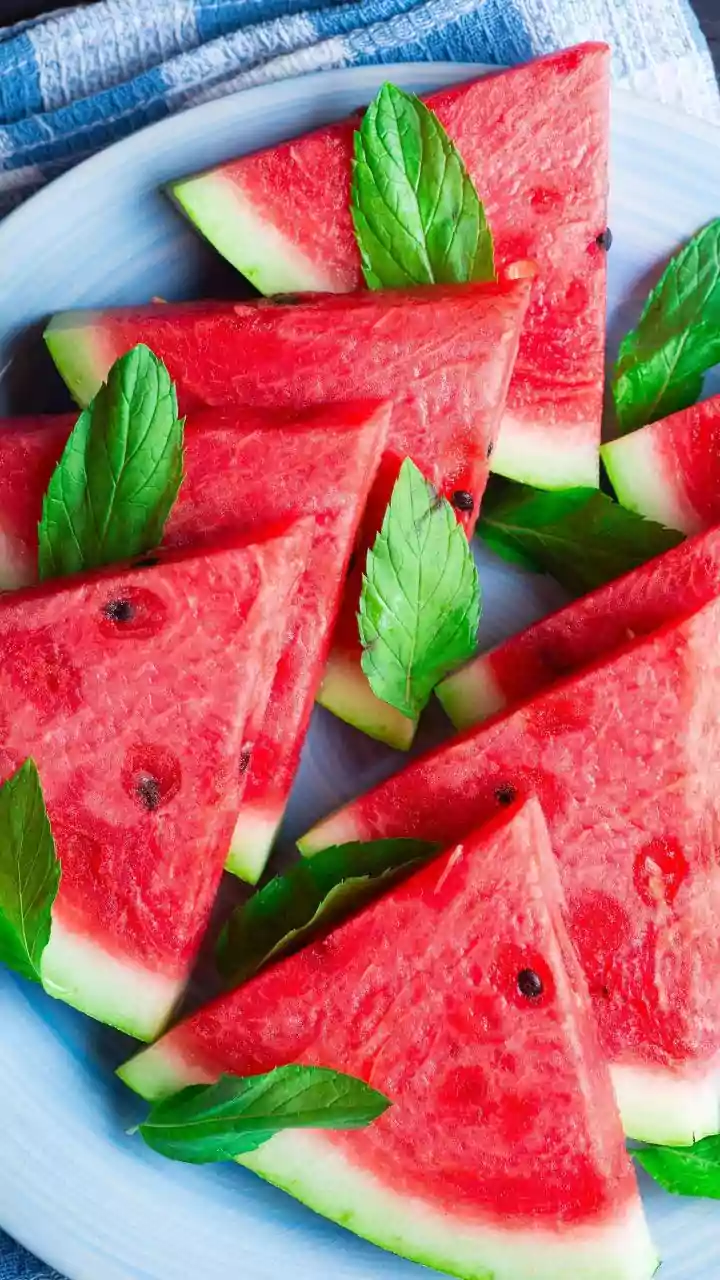
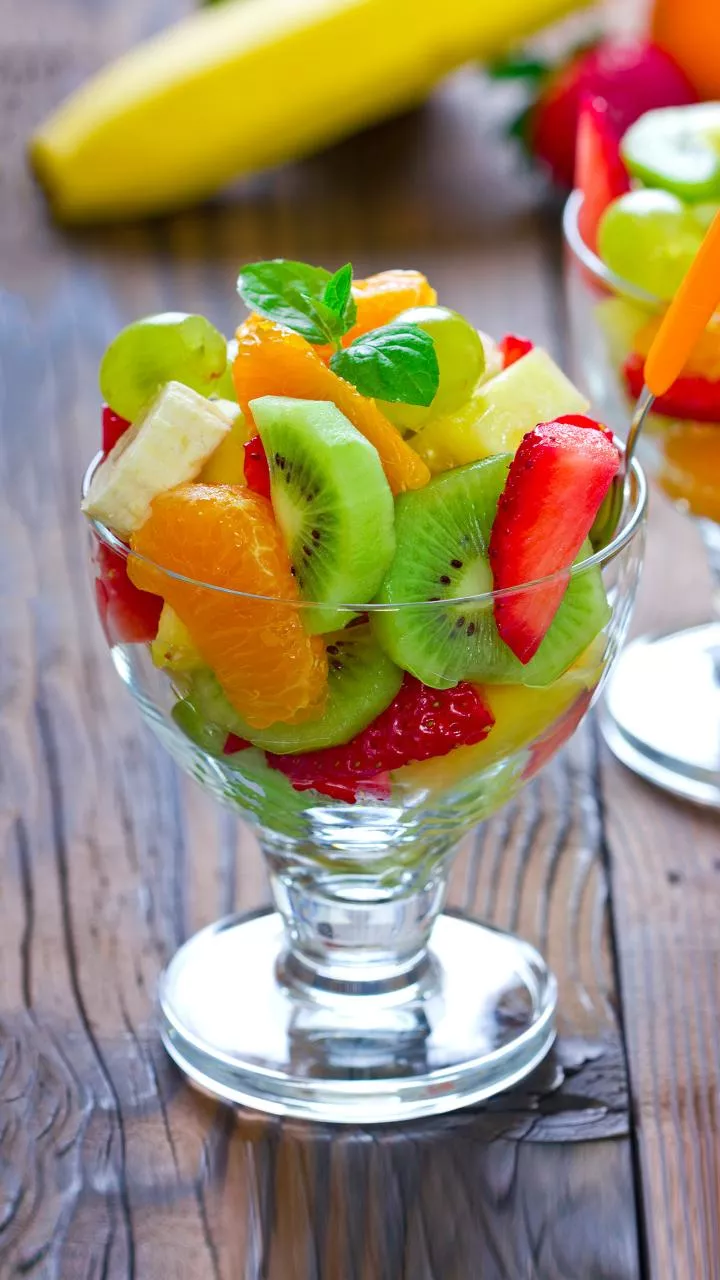
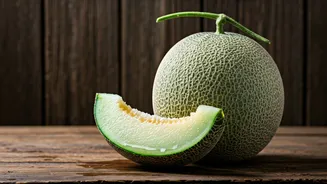
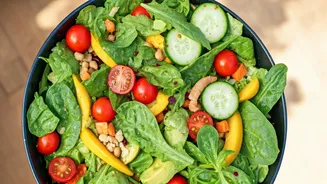
Drinking water is non-negotiable, but you can also 'eat' your water. Many fruits and vegetables are more than 90% water, making them natural hydrators. Cucumber and celery are classic examples, both crunchy, cooling, and packed with H2O. Watermelon is the undisputed champion, offering hydration and a dose of lycopene, an antioxidant that may offer some protection against sun damage. But think beyond just fruit slices. A chilled gazpacho or cucumber soup provides hydration and nutrients without turning on the stove. Leafy greens like romaine lettuce and spinach, and fruits like strawberries, cantaloupe, and peaches are also excellent choices. Integrating these into your diet—as salads, in smoothies, or as simple snacks—is one of the easiest and most effective ways to bolster your body's defenses against the heat.
Wisdom from Hotter Climates
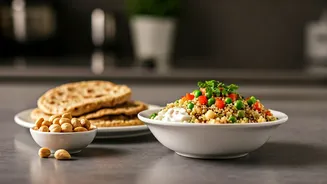
Long before 'heat dome' entered our vocabulary, cultures in the world's hottest regions perfected cuisines designed for survival and comfort in extreme temperatures. Look to India, where yogurt-based dishes like raita and drinks like lassi are staples. The probiotics and coolness of the yogurt are soothing, while spices like mint and cumin are traditionally believed to have cooling properties. In Mexico, the prevalence of ceviche—seafood 'cooked' in acidic citrus juice—offers a protein-rich meal without any heat from a stove. Agua frescas, light beverages made from fruit, water, and a touch of sugar, are designed for maximum refreshment. Middle Eastern cuisines rely heavily on cooling elements like parsley, mint, and cucumber in dishes like tabbouleh, paired with hydrating dips like tzatziki. These traditions aren't just flavorful; they're time-tested blueprints for eating to beat the heat.
The No-Go Food List
Just as important as what to eat is what to avoid. On dangerously hot days, certain foods and drinks can actively work against your body. Steer clear of heavy, high-fat meals like fried food, creamy sauces, and large cuts of red meat. Their high thermic effect can literally make you feel hotter from the inside. Excessively salty foods can contribute to dehydration, while super-sugary drinks can cause blood sugar spikes and crashes that your body doesn't need when it's already under stress. And while a cold beer might seem like the perfect antidote to a hot day, alcohol is a diuretic, meaning it makes you urinate more and can lead to faster dehydration. The same goes for caffeine. On the hottest days, it’s best to limit alcohol and coffee, and stick to water or electrolyte-rich alternatives.