




The Problem with Paris
Imagine planning the perfect European vacation. You’ve researched flights, bookmarked hotels, and mapped out a dream itinerary from the Eiffel Tower to the Colosseum. Now, imagine having to submit all of that—proof of funds, employment letters, and a non-refundable
itinerary—not to book the trip, but just for the *permission* to go. This is the reality for many Indian travelers facing the Schengen visa process. The infamous “planning homework” isn’t about choosing a good restaurant; it’s a bureaucratic gauntlet that can take months, with no guarantee of approval at the end. For the burgeoning middle and upper-middle class in a dynamic city like Chennai, where time is a valuable commodity, this friction is a dealbreaker. The process can feel demeaning and is the antithesis of the spontaneous, relaxing break they are looking to buy.
Swapping the Seine for Southeast Asia
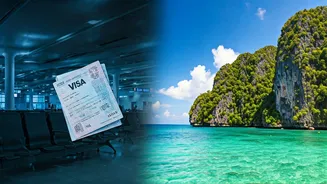
In response, a massive travel trend has emerged: Chennai is looking East. Destinations in Southeast Asia and the Middle East are rolling out the red carpet for Indian tourists, and the appeal is undeniable. Countries like Thailand, Malaysia, and Vietnam offer visa-on-arrival or simple e-visa processes that can be completed online in minutes. A weekend trip to Dubai or a week-long beach holiday in Bali is no longer a logistical nightmare but a plausible, spur-of-the-moment decision. The flight times are shorter, the time zones are more manageable, and the entire experience feels less like an application and more like an invitation. This isn't just about avoiding paperwork; it's about reclaiming the joy and freedom of travel.
More Money, Less Patience
This shift isn't happening because Chennai's travelers can't afford Europe. It’s happening because they can afford to value their time and convenience more. As a major hub for India’s IT, automotive, and healthcare sectors, Chennai has produced a globally-aware and digitally native class of professionals and entrepreneurs. They work for international companies, consume global media, and have disposable income that puts the world within their financial reach. What they don't have is the patience for archaic, high-friction systems. They expect the same seamlessness from their travel agent that they get from their food delivery app. This new definition of luxury prizes ease and efficiency over the legacy prestige of a Western stamp in their passport.
A Different Kind of Welcome
Beyond the visa, the cultural and practical appeal is enormous. Destinations like Singapore and Kuala Lumpur offer a comfortable blend of familiarity and novelty. Food is a major driver; the vibrant culinary scenes of Southeast Asia, with their curries, spices, and rice dishes, often feel more accessible and exciting to the Indian palate than a steady diet of Western cuisine. Furthermore, these destinations are often perceived as more family-friendly and offer world-class shopping and entertainment complexes that cater directly to tourist tastes from across Asia. From sprawling malls in Dubai to island resorts in Thailand, the tourism infrastructure is built for comfort, value, and a warm welcome that doesn’t begin with an interrogation at an embassy.