







The World’s Most Important Weather System
First, let's get on the same page about what the monsoon is. It’s not just a rainy season; it's a massive, continent-sized weather engine that governs the climate for billions of people, particularly in South and Southeast Asia. For countries like India—a
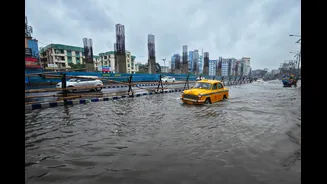
global agricultural powerhouse—the summer monsoon, which typically runs from June to September, is everything. It delivers 70-80% of the country’s annual rainfall. A strong, timely monsoon means bountiful harvests, full reservoirs, and a thriving rural economy. A weak, delayed, or erratic monsoon, however, can trigger drought, decimate crop yields, and create enormous economic and social stress. This isn't just a local weather report; it's the opening chapter of a story that ends in the international commodity markets and, eventually, on U.S. grocery shelves.
The Global Grocery List at Risk
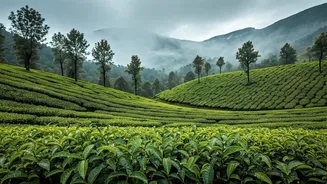
So, why should someone in Ohio or California care about rainfall in Kerala? Because of what’s grown there. India is the world's largest exporter of rice, a staple for half the planet. A significant portion of the basmati rice sold in American supermarkets originates there. The monsoon’s performance directly impacts the rice harvest. The same goes for sugar; India is a top producer, and a poor sugarcane crop due to insufficient rain can tighten global supplies. But it doesn't stop there. Think about your spice rack. India is a critical supplier of spices like turmeric, cardamom, cumin, and black pepper. When the monsoon falters, the yields of these crops drop, and the raw material for that curry powder or chai blend suddenly becomes scarcer and more expensive. It’s a direct link from a farmer’s field in Asia to the flavor profiles in your kitchen.
From Farm to Port to Your Pantry
Here’s how the price shock travels across the globe. A weak monsoon leads to a poor harvest. With less product available, local prices in India rise. To ensure its own population has enough food at stable prices, the Indian government might impose export restrictions or outright bans, as it has done with certain types of rice in the past. This immediately removes a massive chunk of supply from the world market. Other rice-exporting countries, like Thailand and Vietnam, see this and often raise their own prices in response to the surging global demand. U.S. importers, who buy from these international suppliers, now have to pay a much higher price. That cost gets passed on to the distributors, then the retailers, and finally to you, the consumer, who sees a higher price tag on a bag of rice that was harvested thousands of miles away. It’s a classic supply-and-demand ripple effect that starts with a single raindrop, or the lack thereof.
Why It's Now 'Finance News'
The reason this graduates from a weather story to a financial one is speed and speculation. Commodity traders on Wall Street and in financial hubs like Singapore and London don't wait for the price to change at the supermarket. They watch meteorological forecasts from the Indian subcontinent as closely as they watch the Federal Reserve. Futures contracts—agreements to buy or sell a commodity at a predetermined price at a future date—for rice, sugar, and cotton will fluctuate based on predictions about the monsoon's strength. A forecast for a weak monsoon (often linked to El Niño patterns) can send futures prices soaring months before the harvest is even in. Major food conglomerates like Kraft Heinz or McCormick & Company, which rely on these raw materials, hedge their costs in these markets. For them, the monsoon isn't an abstraction; it's a direct input into their financial modeling and a key risk factor for their quarterly earnings.