



Beyond the Buzzing Cities
For decades, the classic American image of a trip to India involved a whirlwind tour of the Golden Triangle—the majestic chaos of Delhi, the iconic Taj Mahal in Agra, and the regal palaces of Jaipur. It was a trip defined by stunning monuments and constant
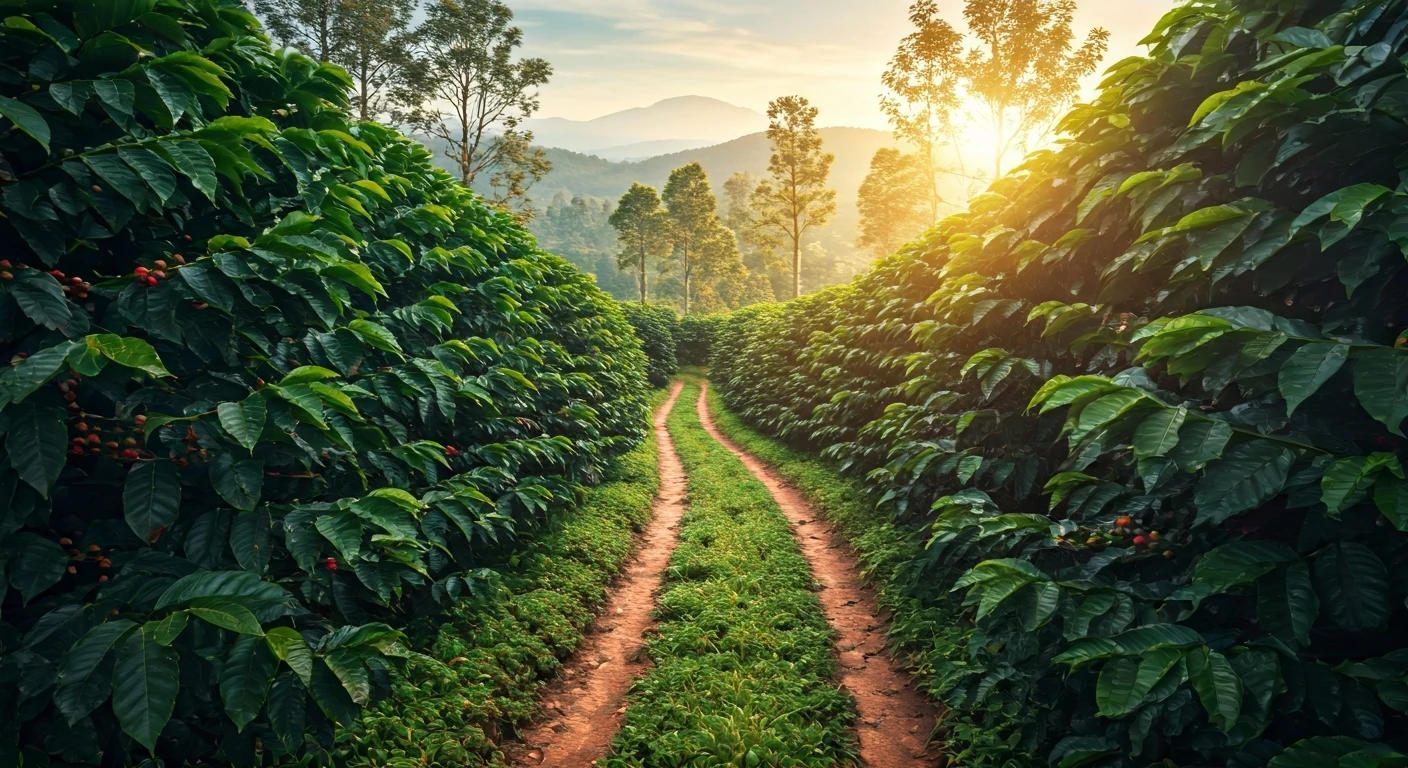
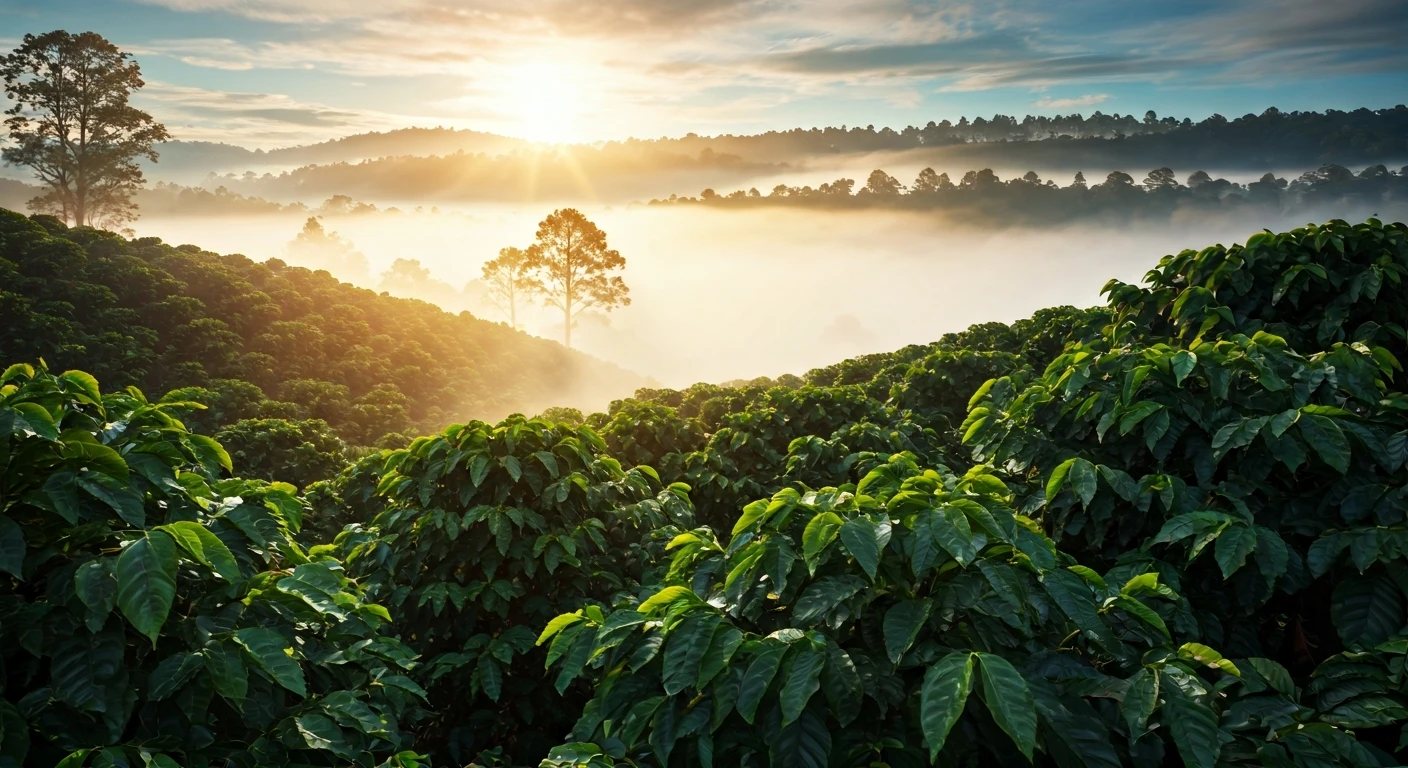
motion. But a quieter, more profound travel movement is taking root in the country’s south, specifically in the lush, rolling hills of Karnataka. Here, travelers are trading packed schedules and crowded landmarks for something far more restorative: the slow escape. Forest homestays, often nestled within coffee plantations and spice gardens in regions like Coorg and Chikmagalur, are becoming the destination for those seeking an antidote to the relentless pace of modern life. They offer a chance to disconnect from digital noise and reconnect with the natural world in a way that feels both timeless and incredibly modern.
Life in the Western Ghats
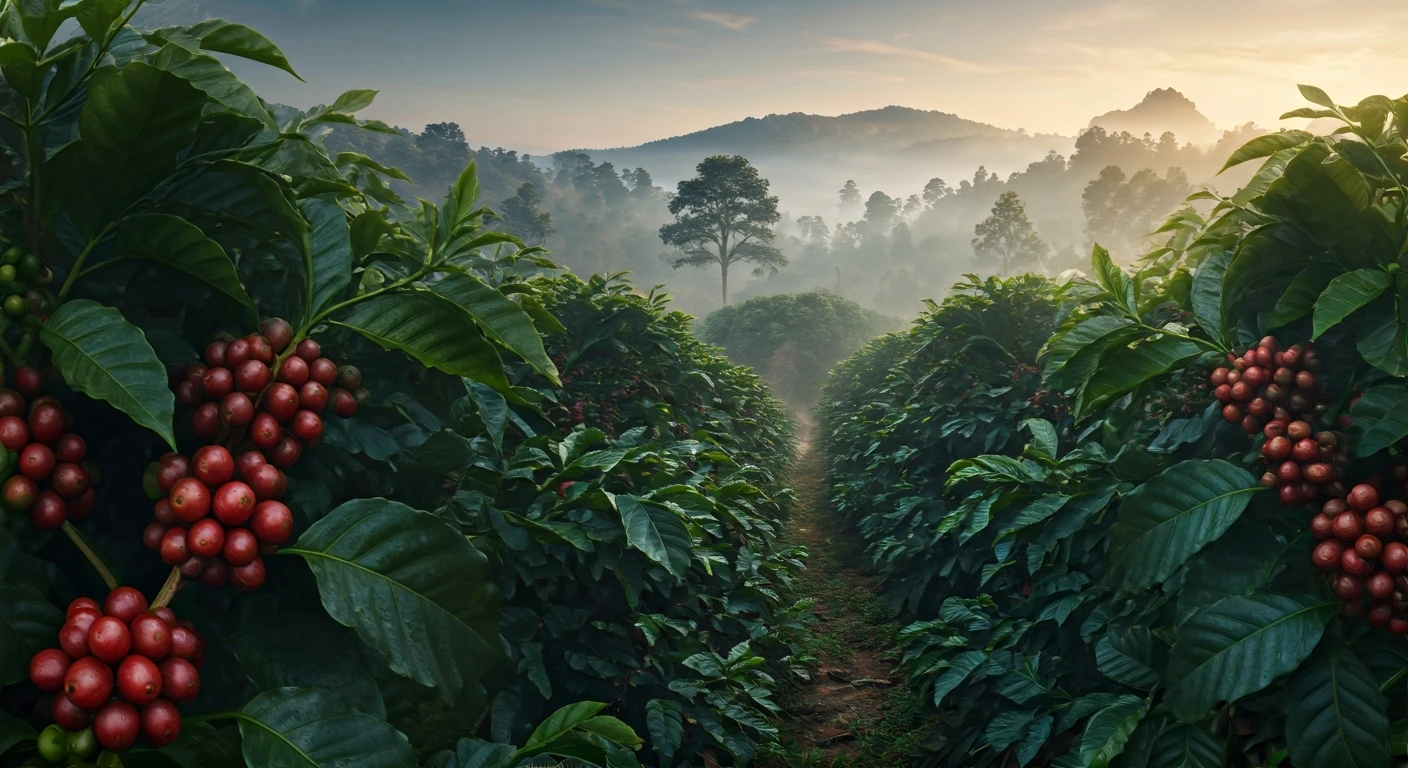
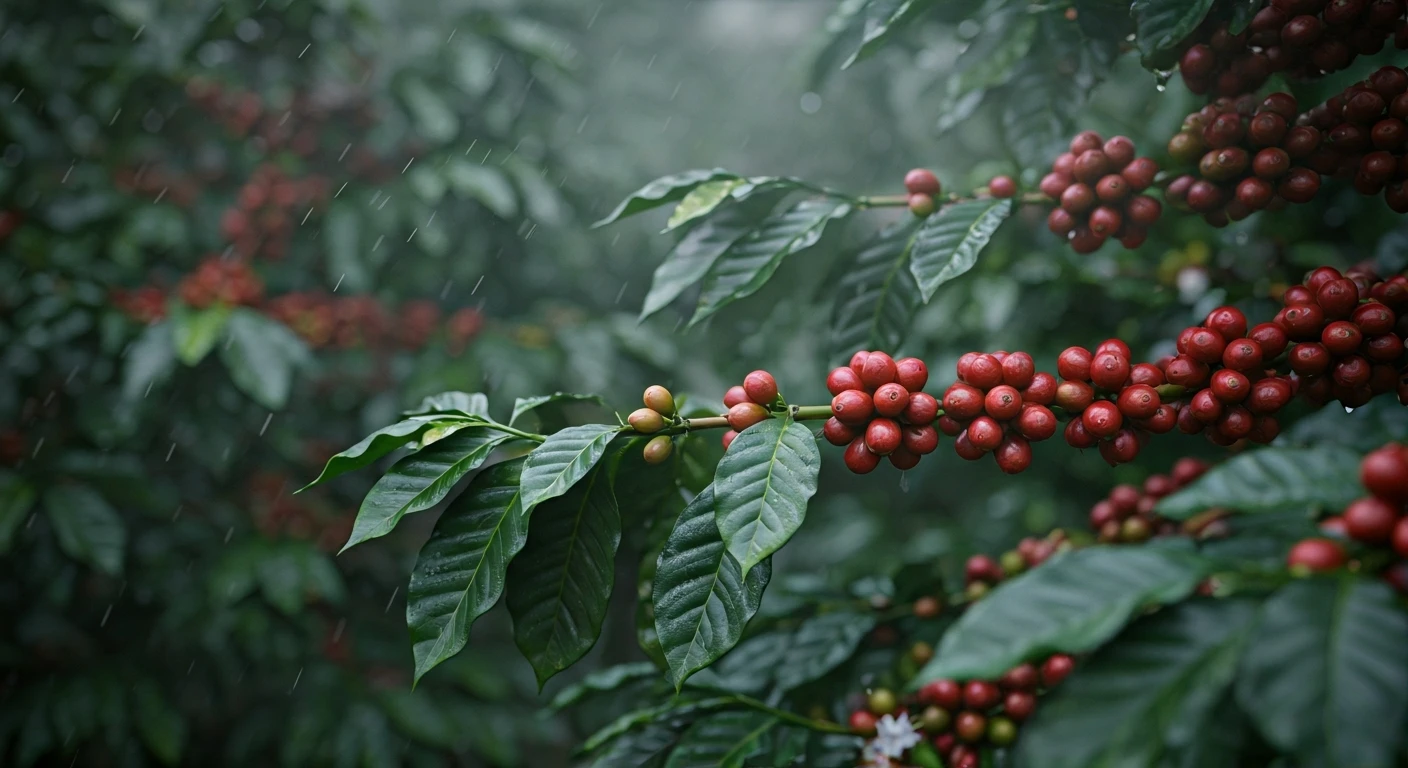
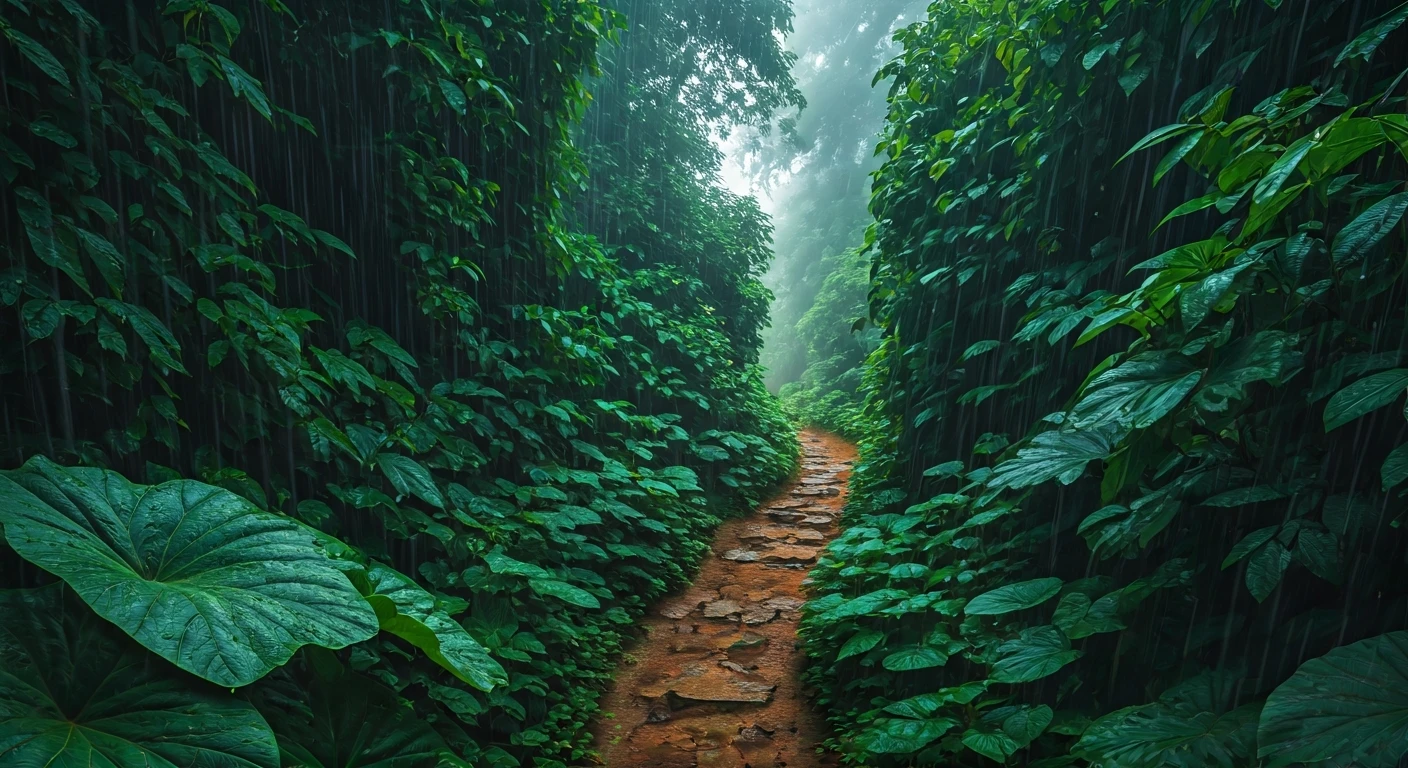
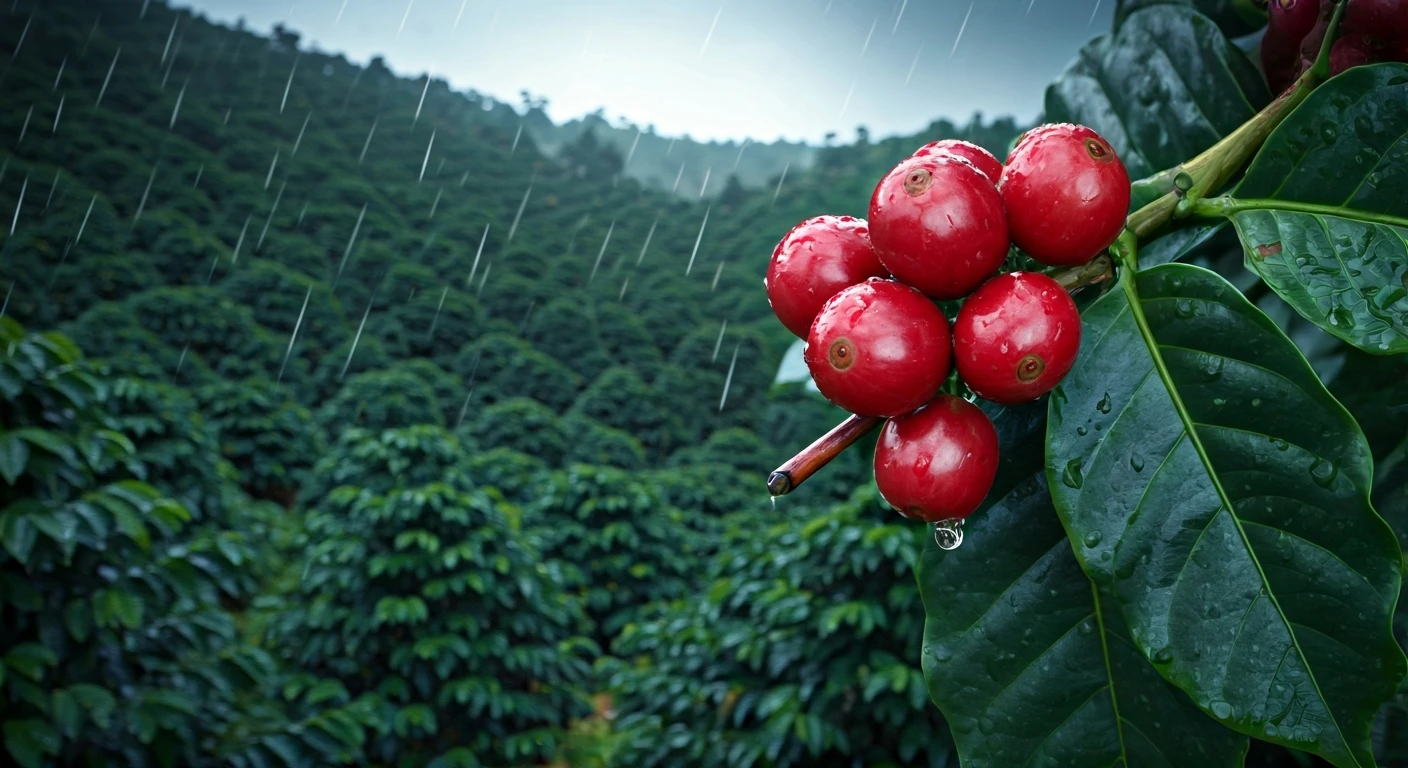
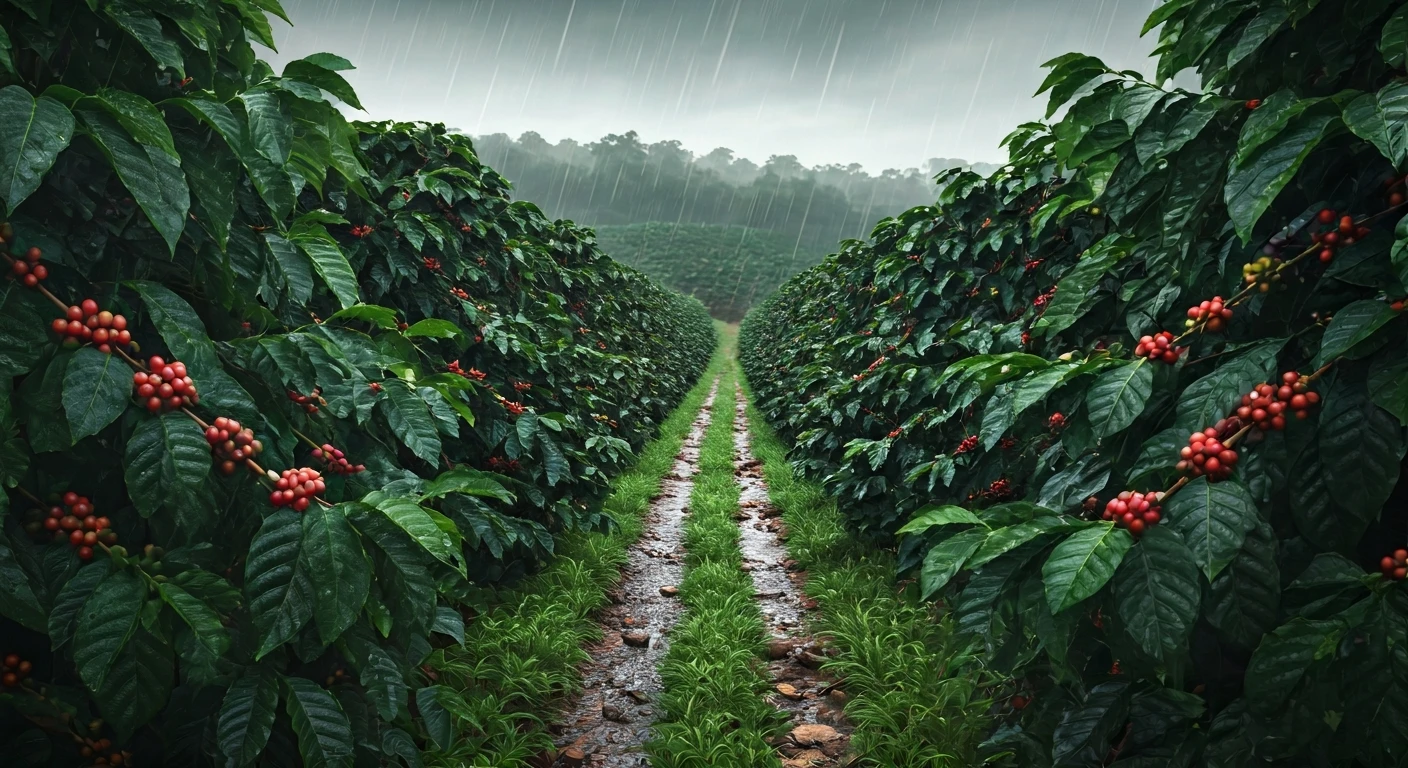
So what does a day look like in this version of paradise? It’s defined by the gentle rhythm of the land. Mornings might begin with a guided walk through a coffee estate, the host explaining the journey from bean to cup as you brush past plants heavy with red cherries. Afternoons are for trekking through the shola forests of the Western Ghats, a UNESCO World Heritage Site, spotting giant squirrels and exotic birds. There are no schedules, no tour buses, no pressure to “do” anything. The experience is the main attraction. Instead of ticking off a checklist of sights, you’re invited to simply be present—to read a book on a sprawling veranda overlooking a misty valley, to learn the names of the spice trees growing outside your door, or to simply listen to the sound of the rain on a tin roof. It’s an immersion, not an observation.
The Taste of the Land
A huge part of this immersive experience is the food. Forget generic hotel buffets. At a Karnataka homestay, the kitchen is the heart of the home, and the meals are a direct reflection of the local culture and landscape. You’ll be eating food that is unapologetically regional, often prepared by the hosts themselves using generations-old family recipes. In Coorg (Kodagu), that might mean indulging in pandi curry, a rich and tangy pork dish flavored with kachampuli, a local vinegar made from the Garcinia gummi-gutta fruit. Or it could be akki rotti (rice-flour flatbreads) served with a fragrant chicken curry, with every spice freshly ground. Each meal tells a story of the place, offering a delicious education in the hyper-local cuisine that you’d be hard-pressed to find in a standard restaurant, let alone back home.
A Different Kind of Connection
Perhaps the most defining element of the forest homestay is the “home” itself. Unlike the anonymous experience of a hotel, these stays are deeply personal. You aren’t just a room number; you are a guest in someone’s house. The hosts are often planters whose families have lived on the land for generations. They are not just service providers; they are storytellers, naturalists, and cultural ambassadors. This personal connection transforms the trip from a simple vacation into a meaningful exchange. Conversations over dinner can range from the global price of coffee to local folklore and politics. It’s a form of travel that replaces the transactional nature of tourism with genuine human connection, leaving travelers with not just photos, but with memories of people and a deeper understanding of a place.