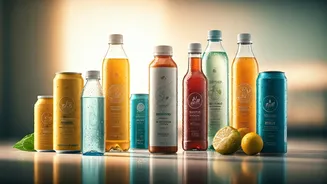









From Hydration to “Functional” Fuel
Remember when a drink was just a drink? You grabbed a soda for a sweet kick, a juice for a dose of vitamin C, or water for simple hydration. That era is fading fast. Welcome to the age of the “functional beverage,” where every sip is expected to do a job.
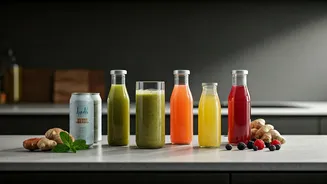
This isn't just about avoiding 'bad' things like sugar and artificial ingredients; it's about actively seeking 'good' things. We’re living in a post-pandemic wellness boom, where consumers are more educated and invested in their health than ever before. We want convenience, but we don't want to sacrifice nutrition. The result? A massive market shift toward drinks that double as health supplements, snacks, or even meal replacements. Brands are responding by reformulating old favorites and launching new lines that explicitly advertise their functional benefits, turning the drink aisle into a veritable wellness apothecary.
The Protein Play: More Than a Muscle Shake
For decades, protein drinks were the exclusive domain of bodybuilders and elite athletes, smelling vaguely of chalk and ambition. Not anymore. Protein has gone mainstream, and the beverage world is its new frontier. The appeal is twofold. First, there's satiety. A protein-rich drink can keep you feeling full longer than a sugary soda or a simple coffee, making it a popular choice for weight management or as a way to curb mid-afternoon cravings. Second, there's the muscle-maintenance angle. As people of all ages embrace more active lifestyles, they understand that protein is crucial for muscle repair and general strength, not just for bulking up. This has led to an explosion of products: creamy plant-based shakes, clear protein-infused waters that taste like fruit juice, and even coffees boosted with whey or collagen. It’s the ultimate convenient health hack: a portable, easy-to-consume snack that supports your body’s needs without requiring you to cook.
The Gut Health Revolution in a Can
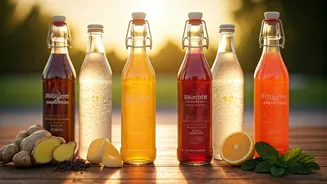
If protein is the body’s building block, the gut is its command center—or at least, that’s how the modern wellness narrative goes. A growing public fascination with the gut microbiome has made “probiotics”—the beneficial bacteria that live in our digestive systems—a household term. Kombucha was the gateway drink, introducing millions to the concept of a fizzy, fermented beverage that was good for them. But the trend has since spiraled into a full-blown revolution. Now, you can find probiotics in everything. Brands like Poppi and Olipop have built empires on low-sugar, prebiotic-and-probiotic-packed sodas that offer a familiar fizz without the guilt. You'll also find them in sparkling tonics, cold-pressed juices, and yogurt-based smoothies. Consumers are buying into the idea that a happy gut can lead to better digestion, improved immunity, and even a better mood, and they’re willing to drink to it.
What to Look For on The Label
With this flood of new options, navigating the labels is key. Not all functional beverages are created equal. When you see “protein,” check the source (whey, soy, pea, collagen) to make sure it aligns with your dietary needs, and look at the grams per serving. More importantly, check the sugar content. Many drinks use sugar or artificial sweeteners to mask the taste of protein or the tang of fermentation. A high-protein drink with 30 grams of sugar might defeat your health goals. For probiotics, the label can be even trickier. Some brands list the specific strains of bacteria and the number of CFUs (colony-forming units) at the time of manufacturing, which is a sign of a higher-quality product. But the bigger picture is to treat these drinks as a supplement to, not a replacement for, a balanced diet rich in whole foods.