


The Land of High Passes
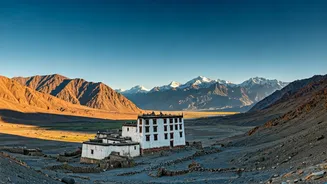
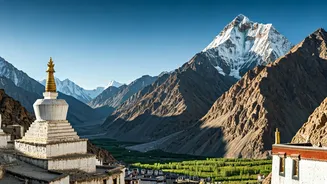
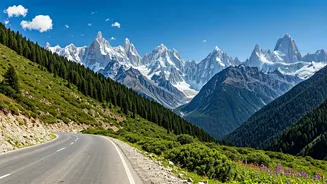
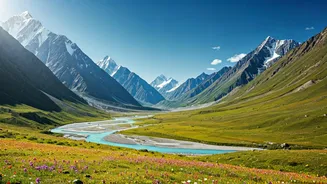
Known as “Little Tibet,” Ladakh is a region of northern India nestled between the Karakoram and Himalayan mountain ranges. It’s a land of extremes, a cold desert where life has adapted to elevations often exceeding 11,000 feet. For centuries, its remoteness
was its protection, preserving a unique Tibetan Buddhist culture. The journey here is part of the experience—navigating winding mountain roads that reveal breathtaking vistas of barren slopes and impossibly blue skies. This landscape isn't just a backdrop; it’s an integral part of the region's spiritual identity. The vast, humbling emptiness encourages introspection, preparing the soul for the profound spirituality found within the monastery walls.
Fortresses of Faith
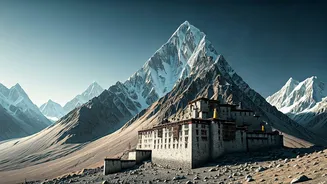
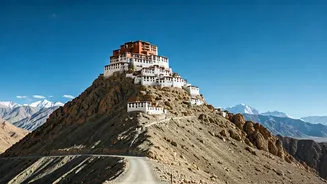
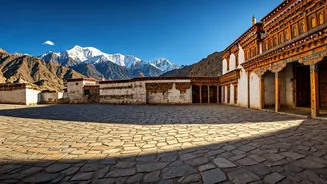
From a distance, the monasteries, or *gompas*, appear as formidable fortresses clinging to rocky outcrops, their white-washed walls and red-topped roofs a stark contrast to the ochre mountains. Thiksey Monastery, for instance, cascades down a hillside in a stunning architectural feat reminiscent of the Potala Palace in Lhasa. Hemis, the region’s largest monastery, is tucked away in a hidden gorge, coming alive during its famous annual festival. These are not ruins; they are living, breathing centers of faith. Their construction, often centuries old, is a testament to devotion, built by hand in one of the world's most challenging environments. To enter one is to step out of time, into a space where the modern world’s frantic pace dissolves.
The Rhythm of the Courtyard
Inside the gates, the starkness of the landscape gives way to a riot of color and sound. The central courtyard is the heart of the monastery, a hub of daily life and ceremonial activity. Sunlight reflects off intricate woodwork and brightly painted murals depicting Buddhist deities and cosmic mandalas. The air is thick with the scent of burning juniper incense and melting yak butter lamps. The soundtrack is a gentle cacophony: the low, resonant chanting of monks from a prayer hall, the creak and spin of large prayer wheels turned by devotees, the fluttering of prayer flags sending blessings into the wind. Here, young novice monks in crimson robes might chase each other in a game, their laughter echoing briefly before a senior monk calls them back to their studies. It’s a place of both solemn ritual and simple, human moments.
Guardians of Ancient Wisdom
Ladakh’s monasteries are more than just places of worship; they are libraries, schools, and cultural sanctuaries. They hold ancient scriptures, or *sutras*, printed on long, cloth-wrapped parchments. Within the dark, cool interiors of their temples, centuries-old frescoes tell stories of the Buddha’s life and teachings. These gompas became crucial repositories of Tibetan culture, particularly after the Chinese invasion of Tibet in the 1950s led to the destruction of thousands of monasteries there. The monks of Ladakh are not just spiritual practitioners; they are the guardians of a fragile and precious heritage, passing down knowledge, art, and philosophy from one generation to the next. Witnessing a debate among monks or listening to their morning prayers is to see a thousand-year-old tradition continuing, vibrant and unbroken.