
The Era of Performative Plating
Not long ago, the pinnacle of online food content was novelty. For Indian food creators, this often meant elaborate fusion dishes or deconstructed classics designed to impress a Western palate and prove the cuisine’s versatility. Think gulab jamun cheesecake,
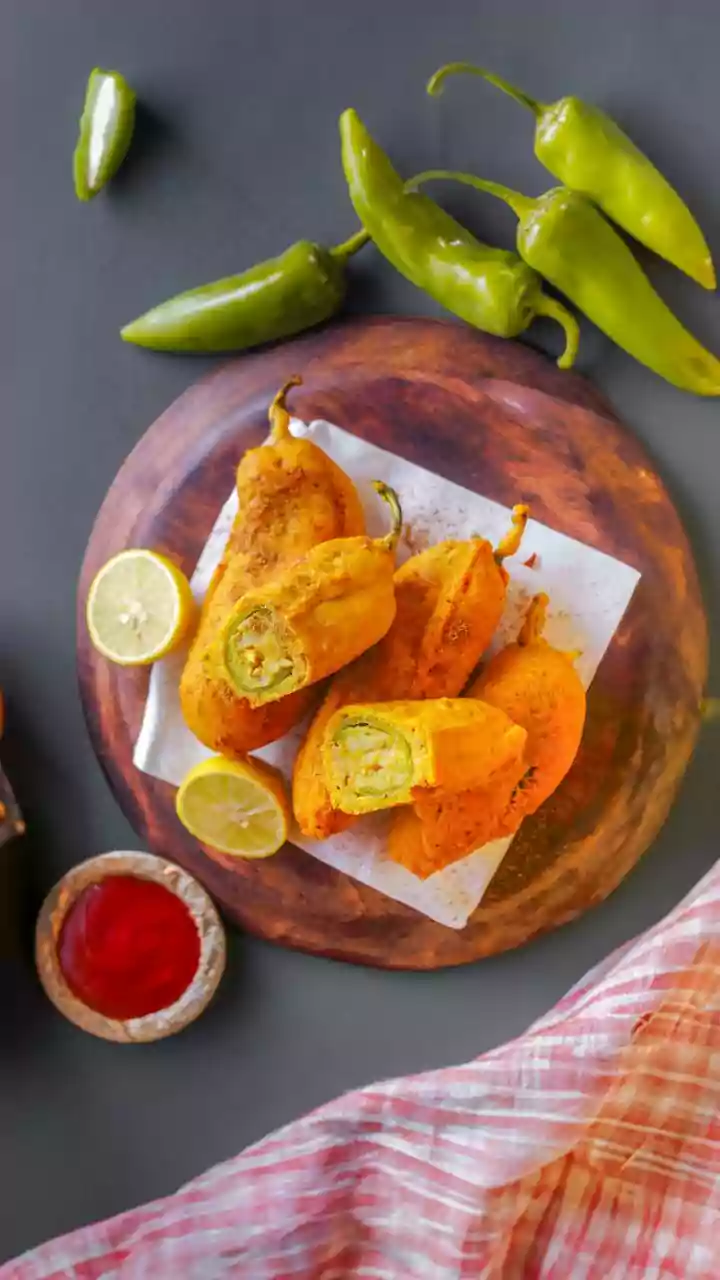
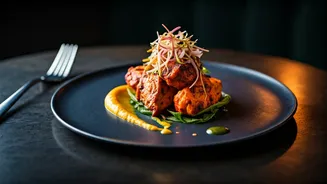
masala pasta, or tandoori-spiced everything. These recipes were visually stunning and technically impressive, perfect for the hyper-curated aesthetic of early Instagram. They were ambitious, projecting an image of Indian food as gourmet, complex, and worthy of fine-dining consideration. The problem? For the average home cook, they were also intimidating. The long ingredient lists, specialized equipment, and multi-step processes felt more like a weekend project than a weeknight dinner, creating a gap between the food people admired online and the food they could realistically cook at home.
A Return to Home-Style Cooking
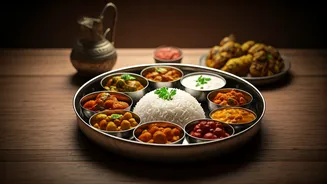
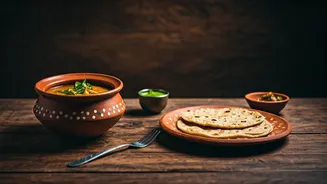
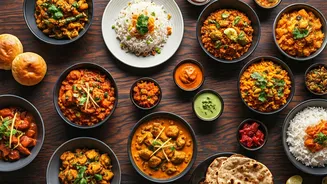
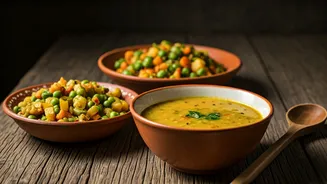
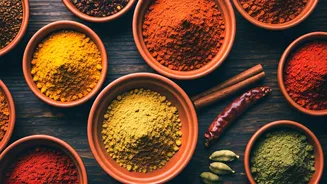
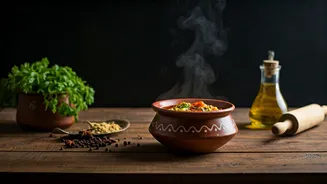
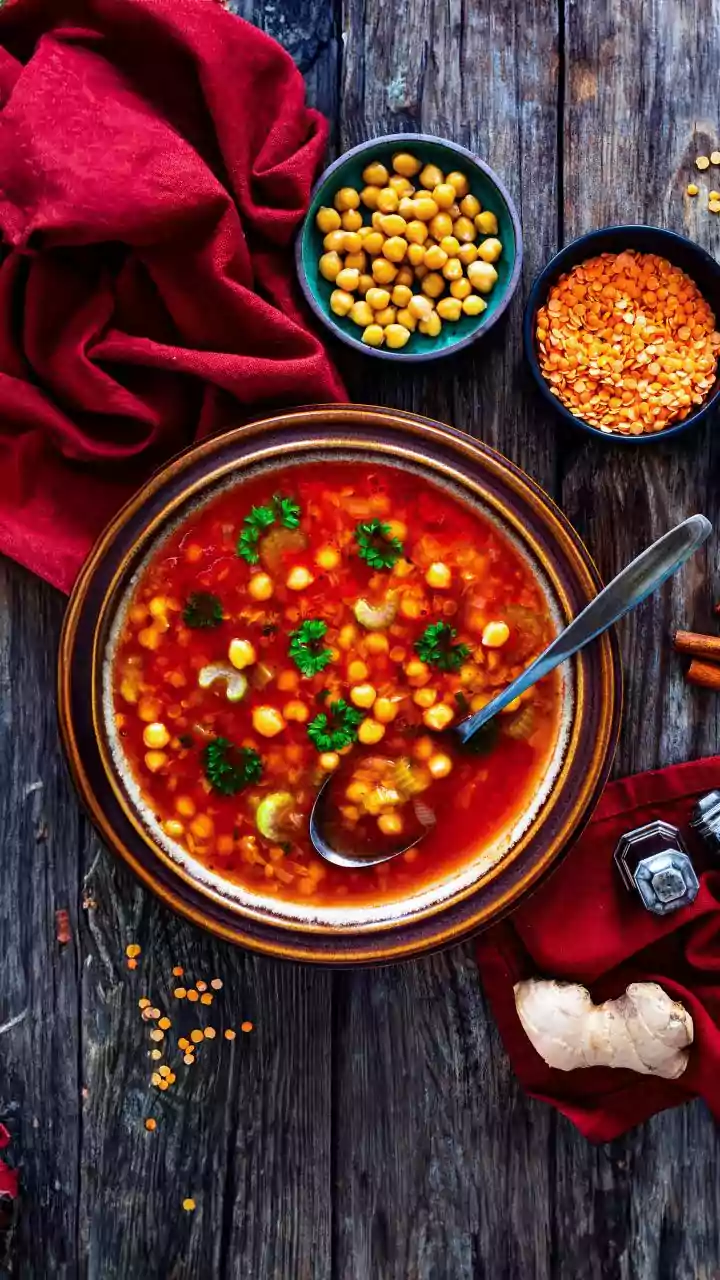
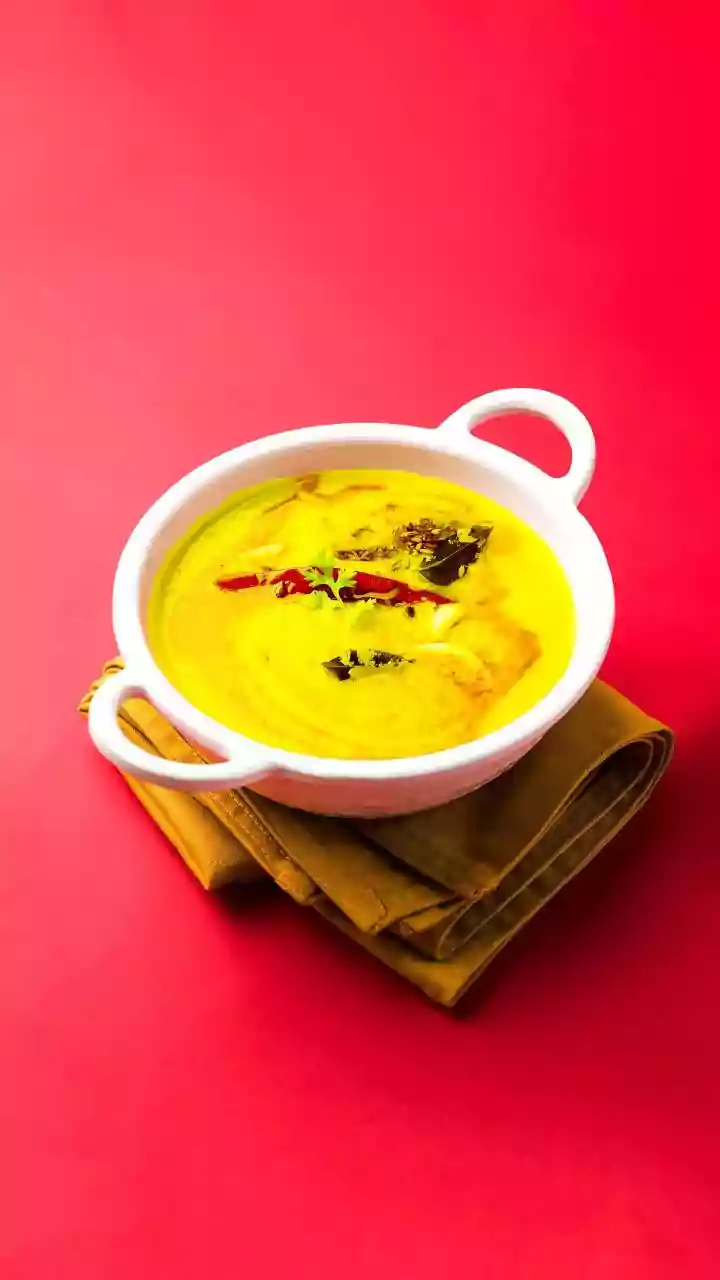
Lately, however, a significant shift has occurred. The complicated experiments are being replaced by something far more relatable: home cooking. In place of elaborate fusion, feeds are now filled with the comforting rhythm of everyday Indian kitchens. You’re now more likely to see a 30-second video on making a simple, perfect tadka for dal, a tutorial on soft rotis, or a one-pot sabzi (vegetable stir-fry) using common spices. The focus has moved from “look what I can invent” to “let me show you what we actually eat.” This new wave of content champions “gharelu khana”—a Hindi term for home-style food. It’s nourishing, efficient, and deeply rooted in family traditions rather than culinary trends. It’s the kind of food that’s cooked more from memory and feel than from precise, unforgiving measurements.
The Pandemic’s Push for Practicality
What sparked this change? A huge part of the answer lies in the global pandemic. With restaurants closed and everyone stuck at home, the demand for practical, reliable recipes skyrocketed. People weren’t trying to impress dinner guests; they were trying to feed their families three meals a day without burning out. The fantasy of restaurant-style cooking quickly lost its appeal when faced with the daily grind of dishes and meal planning. This environment created a new appreciation for simplicity, comfort, and recipes that deliver maximum flavor with minimum fuss. Food creators, experiencing the same reality, responded by sharing the kind of dependable, soul-soothing dishes that got them through the lockdown, and their audiences loved them for it.
Redefining Authenticity for a New Generation
Beyond practicality, this trend is also about a powerful cultural reclamation. Many of the creators leading this charge are second- or third-generation members of the Indian diaspora. For them, documenting simple family recipes is an act of preserving heritage. They are moving past the need to make their food palatable or impressive to an outside audience. Instead, they are centering their own experiences and celebrating the food that connects them to their roots. Authenticity is no longer defined by a dish's complexity or its historical purity, but by its connection to personal history and lived experience. Sharing a grandmother's recipe for a simple dal is now seen as just as valuable—if not more so—than creating a trendy new dish. It’s a confident assertion of identity, celebrating the everyday as truly authentic.