








The 'Drama' of Poor Drainage
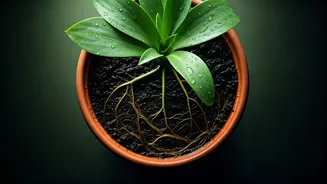
Before we get to the solutions, let’s talk about the drama. When intense monsoon rains hit compacted or heavy clay soil, the water has nowhere to go. It pools on the surface and saturates the ground, effectively drowning your plants. Plant roots need
oxygen to survive, and when soil is waterlogged for even 24 hours, the oxygen is pushed out. This leads to root rot, a fungal disease that turns healthy roots into a black, mushy mess from which the plant cannot recover. Beyond rot, standing water can breed fungal diseases on leaves, wash away precious topsoil and nutrients, and attract pests like mosquitos. Your vibrant tomato plants turn yellow, your new perennials wilt, and your carefully tended vegetable patch becomes a swampy disappointment. This is the drama you want to avoid, and thankfully, you can.
Start With a Water Watch
Your first step isn’t to grab a shovel—it’s to observe. The next time you get a light rain or even when you water your garden heavily, watch where the water goes. Does it pool in certain low spots? Does it rush off a patio or driveway and flood a specific flowerbed? Does water from your roof’s downspouts pour directly into a planted area? Make a mental map of these problem zones. Understanding your yard’s natural water flow is critical. This simple observation will tell you where to focus your efforts, saving you time and energy. You might find that one corner of your yard is a natural basin that needs serious amendment, while another area drains just fine. This diagnostic step ensures you’re solving the right problem.
Amend Your Soil for Better Flow
The single most effective thing you can do for garden drainage is improve your soil structure. Heavy clay soils, common in many parts of the U.S., are notorious for holding water. The solution is to incorporate organic matter. Before the monsoon season kicks into high gear, work several inches of well-rotted compost, aged manure, or shredded leaves into the top 6-12 inches of your garden beds. Organic matter acts like a sponge, but it also creates small pockets and channels that allow excess water to drain away from plant roots. It breaks up heavy clay and gives sandy soil more substance. This isn’t a one-time fix; adding a layer of compost every year will continually improve your soil’s texture and resilience, making it a better home for your plants in both drought and deluge.
Create Channels, Swales, and Raised Beds
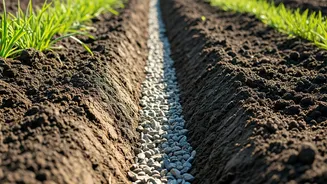
Sometimes, amending the soil isn’t enough, especially in areas that get hammered with runoff. This is where you can reshape the land—just a little. For areas with pooling water, consider digging a shallow swale, which is essentially a gentle, broad ditch that can capture water and direct it away from your precious plants and toward a more durable area of your landscape, like a lawn or a designated rain garden with water-loving plants. Conversely, you can build up. Raised garden beds are a monsoon gardener’s best friend. By elevating the growing area even 8-12 inches above the ground, you guarantee that your plant roots will never be sitting in a puddle. You control the soil mix inside them, ensuring it’s perfectly loose and well-draining from the start.
Check Gutters and Add Mulch
Finally, look at the big picture. Are your home’s gutters and downspouts clear of debris? A clogged gutter can send a cascade of water sheeting off your roof right onto the garden below. Ensure your downspouts direct water away from your home's foundation and your garden beds. Extensions are a cheap and easy way to guide this water to a safer spot. Once your soil and water flow are addressed, apply a 2- to 3-inch layer of mulch (like wood chips or straw) over your garden beds. Mulch is a multi-purpose hero: it helps retain soil moisture during dry spells, but during a downpour, it breaks the force of the raindrops, preventing soil compaction and erosion. It’s the finishing touch that protects all your hard work.