



First, What Is Biophilic Design?
Let’s get the jargon out of the way. ‘Biophilia’ literally means ‘love of life,’ a term popularized by biologist E.O. Wilson to describe our innate human tendency to connect with nature. Biophilic design, then, is the practice of integrating nature into
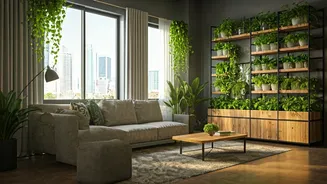
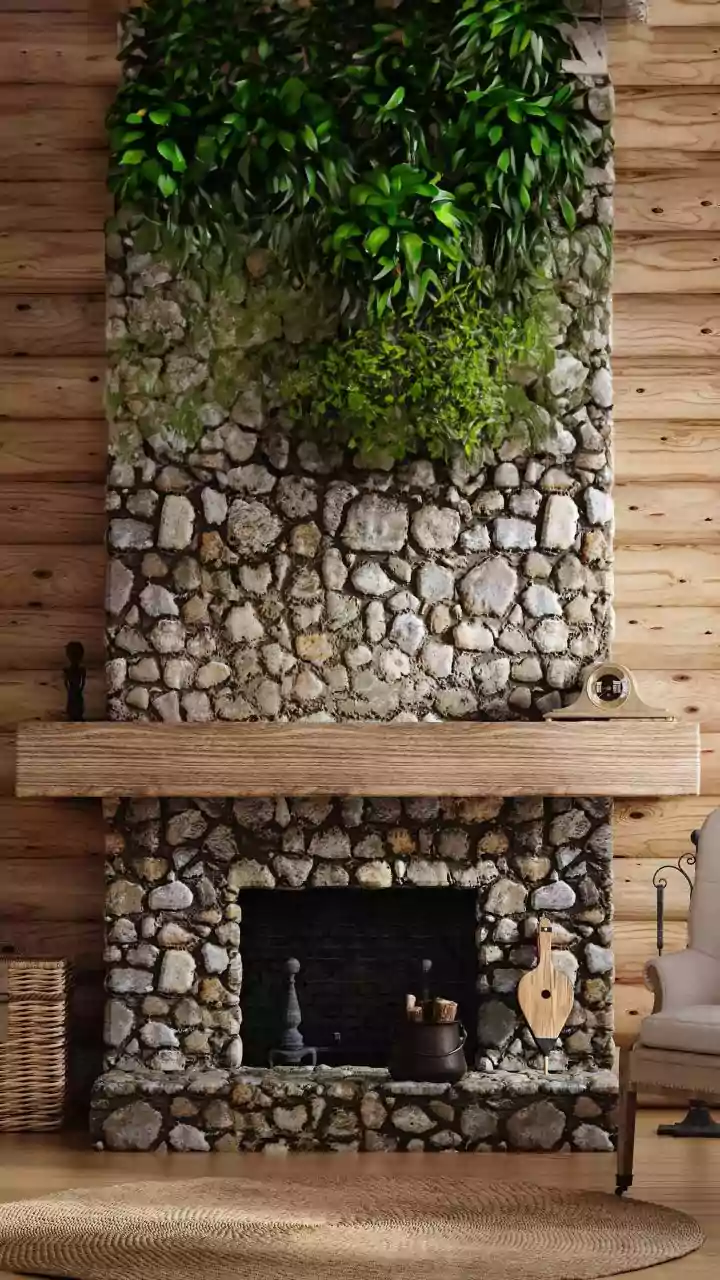
the built environment to improve our health and well-being. But it’s much more than just scattering a few potted plants around. True biophilic design is a holistic philosophy. It’s about maximizing natural light with large, unadorned windows. It’s about using natural materials like wood, stone, bamboo, and rattan that engage our sense of touch. It involves creating visual connections to nature, whether through a direct view of a park or an internal ‘living wall’ of cascading greenery. Even indirect connections—like using patterns, colors, and forms that mimic the natural world—play a crucial role. The goal isn't just to decorate a space with nature, but to design a space that *feels* like a natural ecosystem: restorative, dynamic, and alive.
The Indian Megacity Catalyst
So why is this trend exploding in Indian cities like Mumbai, Bangalore, and Delhi right now? It's a direct response to the environment. These megacities are paragons of density—vibrant and energetic, but also notoriously challenging, with relentless traffic, noise, and a scarcity of public green space. For millions living in high-rise apartments, the connection to the natural world is severed the moment they step outside. The global pandemic amplified this disconnect. Confined to their homes, urban Indians, like people everywhere, developed a profound craving for tranquility, fresh air, and a sense of escape. The home was no longer just a place to sleep; it had to be an office, a gym, a school, and most importantly, a sanctuary. This created a perfect storm for biophilic design, which offers a tangible solution to the stress and sensory overload of modern city living by bringing the outside world in.
More Than Just a Balcony Garden
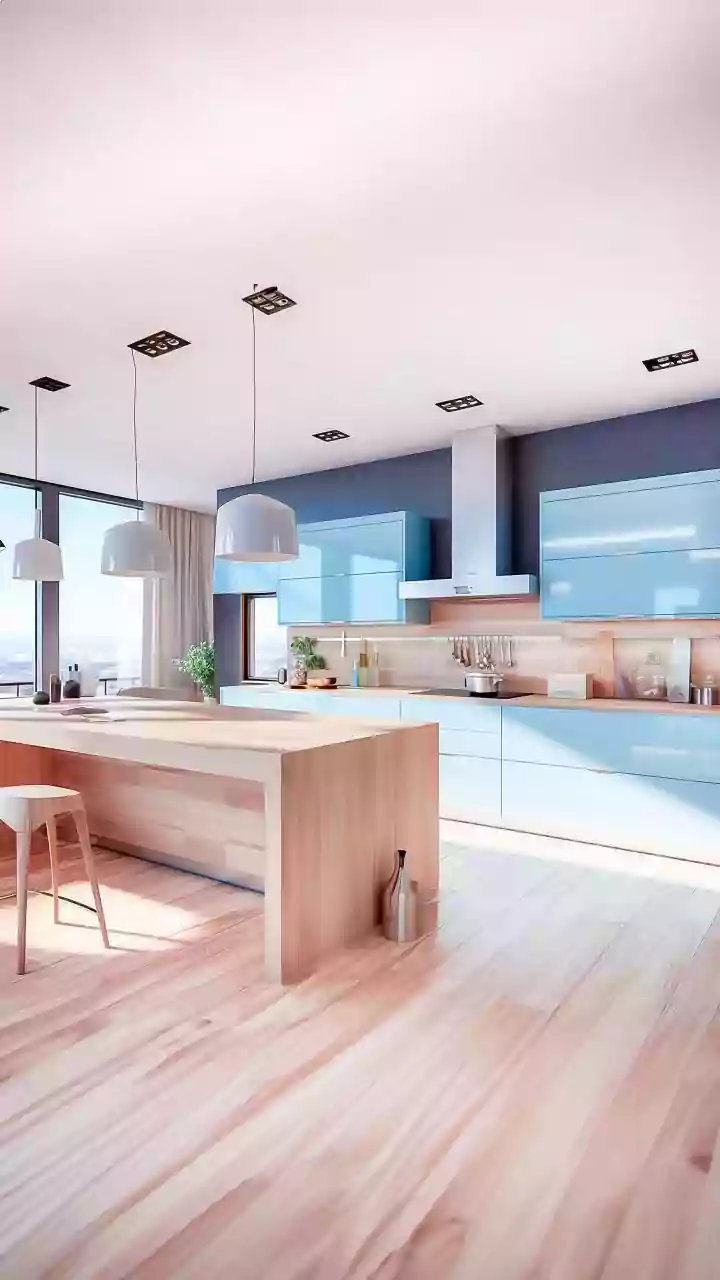
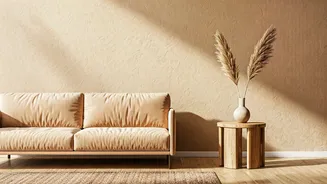
In practice, Indian designers are applying these principles with stunning creativity. Forget a few pots on the balcony; we're talking about entire walls becoming vertical gardens that naturally cool the air. Interior courtyards, once a feature of traditional homes, are being reimagined within apartment layouts, creating a private green lung at the center of the living space. Partition walls are being built from porous brick or perforated wood to allow for airflow and dappled light, mimicking a forest canopy. Furniture is crafted from locally sourced, sustainable materials like teak, cane, and jute. Color palettes are shifting away from stark modernism toward earthy tones: terracotta, sage green, sandy beige, and deep blues. Large windows are often oriented to frame a single tree, turning nature into a piece of living art. The result is a multisensory experience—the smell of damp earth after watering plants, the feel of a cool stone floor, the sound of a small water feature—that calms the nervous system.
A Modern Return to Tradition
What makes this trend particularly resonant in India is that it's not entirely new. While the term 'biophilic' is modern, the principles are deeply embedded in traditional Indian architecture. For centuries, homes were designed with central courtyards (aangans), verandas, and intricate latticework screens (jaalis) that encouraged natural ventilation and played with light and shadow. These elements weren't just decorative; they were climate-responsive and fostered a connection between the inhabitants and their natural surroundings. The current movement can be seen as a reclamation of this architectural heritage, adapted for the vertical reality of the 21st-century city. It's less a foreign trend being imported and more a modern reawakening of an age-old understanding: that a home designed in harmony with nature is simply a better place to live.