






More Than a Festival Accessory
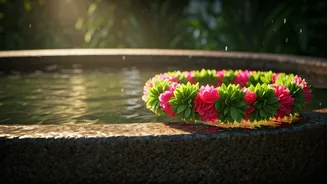
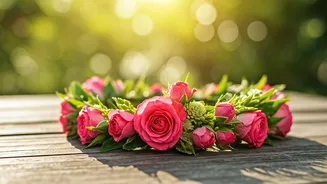
While Americans might associate flower crowns with music festivals and boho-chic aesthetics, the headwear blooming across Goa has a much deeper story. Known locally as a 'kopel,' this is no mass-produced accessory. It’s a vibrant, living symbol of the São
João festival, an annual Catholic celebration that electrifies the Indian state every June. Worn by men, women, and children, the kopel isn't about looking good for an Instagram post (though they certainly do); it's about participating in a joyous, community-wide expression of faith and culture that has been passed down through generations. Each crown is a personal, ephemeral piece of art, crafted from the natural bounty that surrounds the villages and worn as a badge of festive identity.
A Festival of Water and Joy
To understand the kopel, you have to understand São João. The festival celebrates the feast of St. John the Baptist, who, according to scripture, leaped with joy in his mother Elizabeth's womb when she was visited by Mary. To honor this, Goans take a leap of their own. Revellers, often fueled by the local cashew spirit 'feni,' jump into overflowing wells, streams, and ponds to retrieve gifts and celebrate the arrival of the life-giving monsoon rains. It’s a boisterous, joyful, and slightly wild affair. The air fills with the sounds of the 'gumott' (a traditional percussion instrument) and songs dedicated to St. John. The flower crowns are an essential part of this spectacle, adding a splash of brilliant color to the lush, rain-soaked landscapes and marking participants as part of the celebration.
The Art of the Kopel
While the headline might conjure images of delicate roses, the reality is far more diverse and interesting. A traditional kopel is a testament to local horticulture. Artisans and families weave together a tapestry of whatever is fresh, fragrant, and beautiful. This often includes jasmine, marigolds, and aboli flowers, intertwined with lush green leaves and sometimes even tiny, colorful fruits. The idea is to create something bursting with life, reflecting the fertility and abundance of the monsoon season. The crowns are typically built on a frame of flexible vines, and the process of making them is a communal activity, with skills passed from older generations to younger ones. The scent of a freshly made kopel—a mix of damp earth, sweet blossoms, and rain—is as much a part of the experience as its visual beauty.
Tradition in a Modern World
So why is this ancient tradition 'trending' now? In an age of digital connection, the visual appeal of São João is undeniable. The striking contrast of brightly colored flower crowns against the green Goan scenery is incredibly photogenic, and both tourists and locals have shared the festival's beauty on social media, giving it global visibility. This new attention has brought a fresh energy to the festivities, with kopel-making competitions and organized events drawing bigger crowds. Yet, for all its newfound fame, the tradition remains deeply authentic. It’s a powerful reminder that some of the most beautiful trends aren't invented by designers or influencers but are instead preserved and celebrated by communities who have kept their unique culture alive for centuries.