






A Festival for Mother Earth
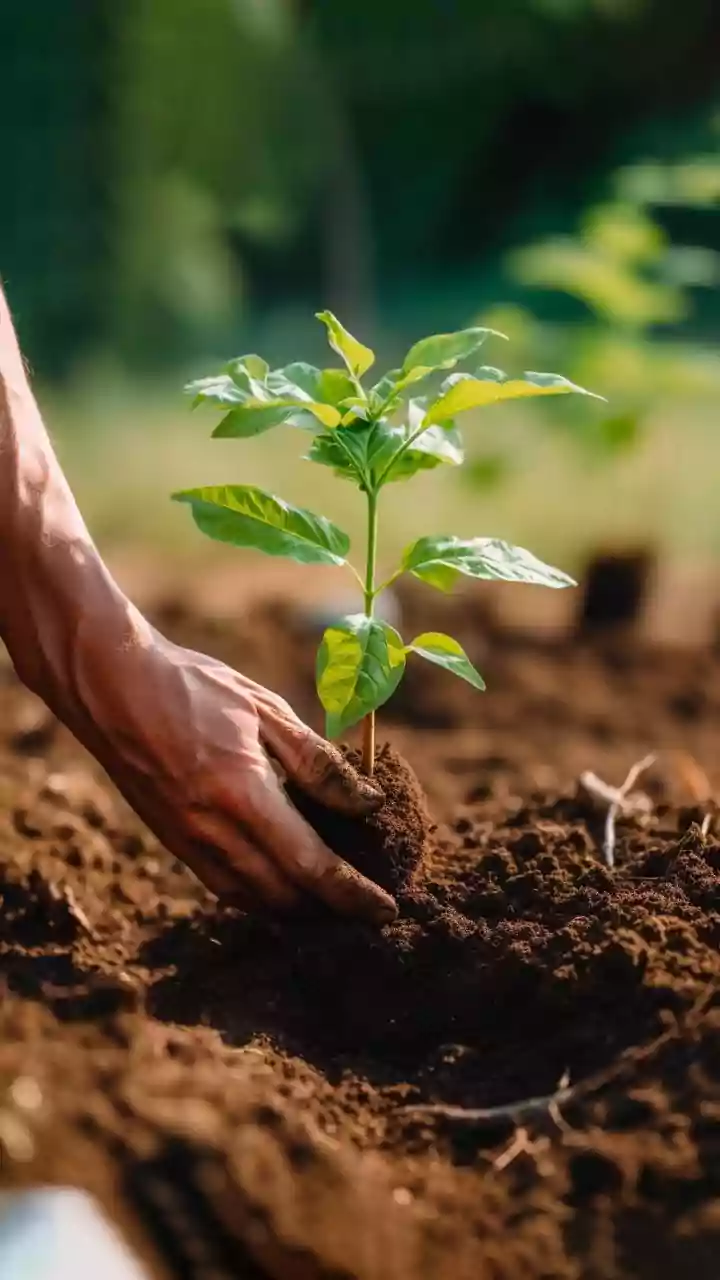
At its heart, Raja Parba (pronounced Ra-jaw Par-baw) is an agricultural festival that honors Bhumi Devi, or Mother Earth. The word ‘Raja’ is derived from ‘Rajaswala,’ which means a menstruating woman. The festival celebrates the belief that Mother Earth undergoes
her annual menstruation during this period, preparing her for the coming agricultural season. It’s a powerful metaphor for fertility and creation, linking the cycles of a woman’s body with the cycles of the planet itself. For three days, all agricultural activities—plowing, sowing, digging—come to a complete halt. The ground is given a chance to rest and rejuvenate, a concept of sustainable respect deeply embedded in tradition. This period of rest is seen not as a pause in productivity, but as an essential part of it.
Celebrating Womanhood and Rest
While Mother Earth rests, so do the women of the household, particularly unmarried girls, who are seen as her earthly representatives. The festival is a vibrant celebration of womanhood. Girls and young women are forbidden from doing daily chores and are encouraged to spend their time in leisure and celebration. They receive new clothes, often beautiful traditional sarees, adorn their feet with a red dye called ‘alata,’ and spend their days playing games, singing, and enjoying themselves. This sanctioned period of rest and pampering is a stark contrast to the daily grind, elevating and honoring the feminine principle in a very direct and joyful way. It’s a time for them to be celebrated, cared for, and to simply be.
The Symbolism of the Swing
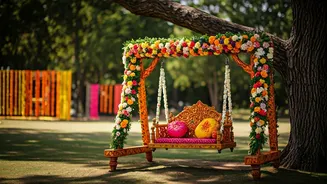
The most iconic image of Raja Parba is the swing, or ‘Doli.’ Swings of all kinds, from simple rope swings tied to mango tree branches to more elaborate, decorated ones, are set up across villages and cities. The act of swinging is more than just play; it’s rich with symbolism. During the festival, girls are not supposed to walk barefoot on the ground, as it is considered sacred and resting. The swing allows them to be suspended between heaven and earth, enjoying the breeze and the festive atmosphere without disturbing Bhumi Devi. Special folk songs, known as ‘Raja Geeta,’ are sung while swinging, filling the air with melodies about love, nature, and the joy of the festival. It’s a beautiful, kinetic expression of freedom and happiness.
A Feast of Traditional Delicacies
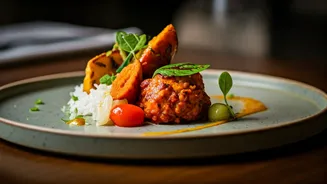
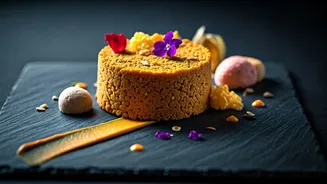
No Indian festival is complete without food, and Raja Parba is no exception. Kitchens come alive to prepare an array of traditional Odia delicacies. The star of the show is ‘Poda Pitha,’ a slow-cooked cake made from rice flour, coconut, jaggery, and spices, traditionally baked overnight in clay ovens or wrapped in leaves and buried in embers. The result is a smoky, caramelized, and utterly delicious cake that is synonymous with the festival. Other pithas (a category of rice-based snacks), like Arisa Pitha (a fried rice flour pancake) and Manda Pitha (steamed rice dumplings), are also prepared and shared among family and friends. The fourth and final day of the festival, called Vasumati Snana, marks the ceremonial bath of Mother Earth, after which the feasting continues and normal life resumes.